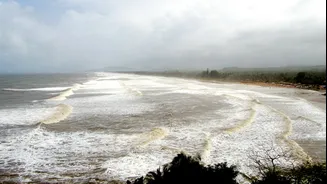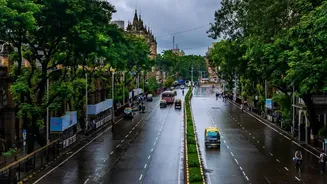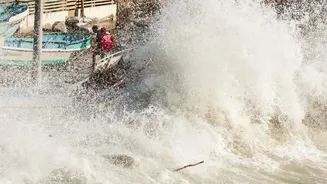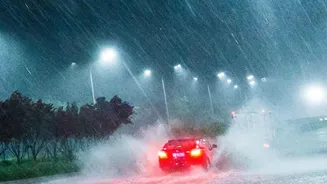







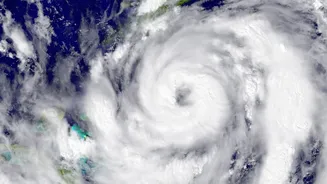
A powerful cyclonic storm, named Arnab, is causing significant turmoil across India’s eastern and southern states. With heavy rainfall battering the region, authorities have issued high alerts and travel has been thrown into chaos.
The Storm's Profile
The India Meteorological
Department (IMD) has classified Cyclone Arnab as a 'Severe Cyclonic Storm', forecasting torrential downpours and wind speeds gusting up to 120 km/h. Originating in the Bay of Bengal, the system made landfall near the coast of northern Andhra Pradesh and southern Odisha, bringing with it an overwhelming amount of rain that has inundated low-lying areas. The IMD has issued red and orange alerts for several districts across these states, as well as neighbouring regions in West Bengal and Telangana, warning of widespread flooding and potential structural damage. This is a powerful and slow-moving weather system, meaning the rainfall is expected to persist for another 24 to 48 hours, exacerbating the already difficult conditions on the ground.
Gridlock on Major Highways
The primary consequence of the relentless rain has been the severe disruption of interstate road connectivity. Several critical national highways that serve as economic lifelines are either closed or facing massive waterlogging, bringing vehicular movement to a standstill. Officials have confirmed that stretches of National Highway 16 (NH-16), which connects Chennai and Kolkata and passes through the worst-affected regions, are impassable near Visakhapatnam and Brahmapur. Similarly, National Highway 65 between Pune and Machilipatnam is experiencing major blockages due to overflowing rivers. State highways connecting coastal towns to interior districts are also cut off, with reports of bridge submergence and roads being washed away. This has left thousands of commuters and commercial trucks stranded, creating long queues of traffic stretching for kilometres.
Authorities Step In
In response to the crisis, central and state governments have mobilized disaster response teams. The National Disaster Response Force (NDRF) has pre-deployed over two dozen teams in vulnerable districts to carry out rescue and evacuation operations. State Disaster Response Forces are also on high alert, working alongside local police to manage traffic diversions and clear blockages where possible. State governments have set up 24/7 control rooms to monitor the situation and provide real-time updates to the public. The primary advisory from all official channels is uniform: postpone all non-essential travel until the storm subsides and the water recedes. Police are enforcing closures on affected highways and urging drivers to stay put or seek shelter in designated safe zones rather than attempting to navigate flooded roads.
More Than Just Roads
The disruption extends far beyond passenger travel. The closure of key highways is creating a significant bottleneck for supply chains. Trucks carrying essential goods, including fresh produce, milk, and medical supplies, are stuck, raising concerns about potential shortages and price hikes in cities that depend on these corridors. The storm has also led to widespread power outages and disruptions to telecommunication networks in coastal areas. Urban centres like Visakhapatnam and Bhubaneswar are grappling with severe waterlogging in residential areas, forcing people to move to safer locations. The broader economic impact is expected to be substantial, affecting everything from agriculture to industrial production in the storm's path.
Your Safety Checklist
For residents in affected areas and those with travel plans, safety is paramount. First and foremost, follow all instructions from local authorities and disaster management agencies. Avoid forwarding unverified messages on social media, which can cause unnecessary panic. Instead, rely on updates from the IMD and official government handles. If you are at home, ensure you have an emergency kit with essentials like drinking water, nonperishable food, a firstaid kit, and a power bank. Do not attempt to drive or walk through flooded areas. If you are currently stranded on a highway, stay inside your vehicle if it is safe to do so and wait for instructions from rescue teams. Check for official route updates before resuming any journey once the weather clears.