


A Living Link to the Past
The story of the Nilgiri Mountain Railway (NMR) is one of persistence. First proposed in 1854, it took 45 years of navigating bureaucratic hurdles and immense engineering challenges before the first train chugged from Mettupalayam to Coonoor in 1899.
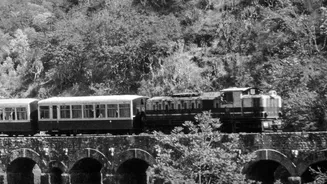
Built by the British, the line was extended to Udhagamandalam, popularly known as Ooty, by 1908. In 2005, UNESCO recognised its significance by adding it to the list of World Heritage Sites, as part of the Mountain Railways of India. This isn't just for nostalgic reasons; the NMR is a rare example of 19th-century technology still operating for its original purpose in a landscape of extraordinary natural beauty.
The Marvel of Mountain Engineering
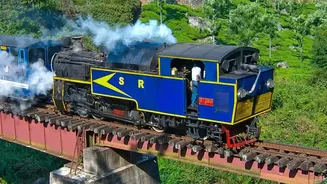
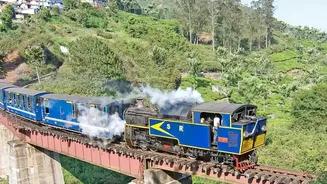
What makes the NMR an engineering marvel is its unique solution to a steep problem. To conquer the sharp inclines of the Nilgiri Hills, with gradients as steep as 1 in 12, the railway employs the Abt rack and pinion system—the only one of its kind in India. Between the regular rails lies a toothed 'rack' track. The locomotive is fitted with a 'pinion' or cogwheel that meshes with this rack, essentially pulling the train up the mountain and ensuring a secure descent. This ingenious system is used on the steepest section of the journey between Mettupalayam and Coonoor, pushed uphill by powerful X-Class steam locomotives, many of which were originally built in Switzerland. The rhythmic clank of the pinion on the rack is the journey’s unique, mechanical heartbeat.
A Journey Through Clouds and Tea Gardens
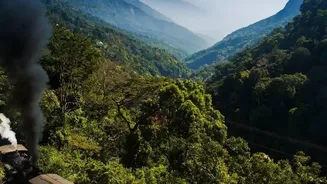
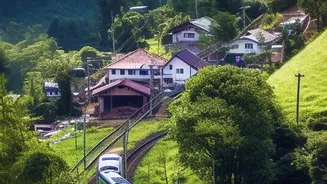
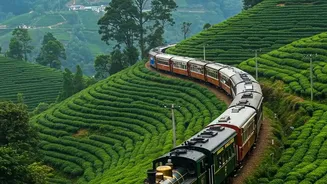
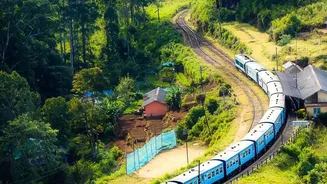
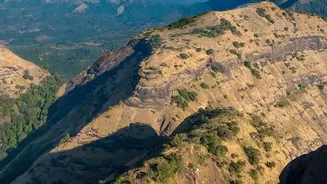
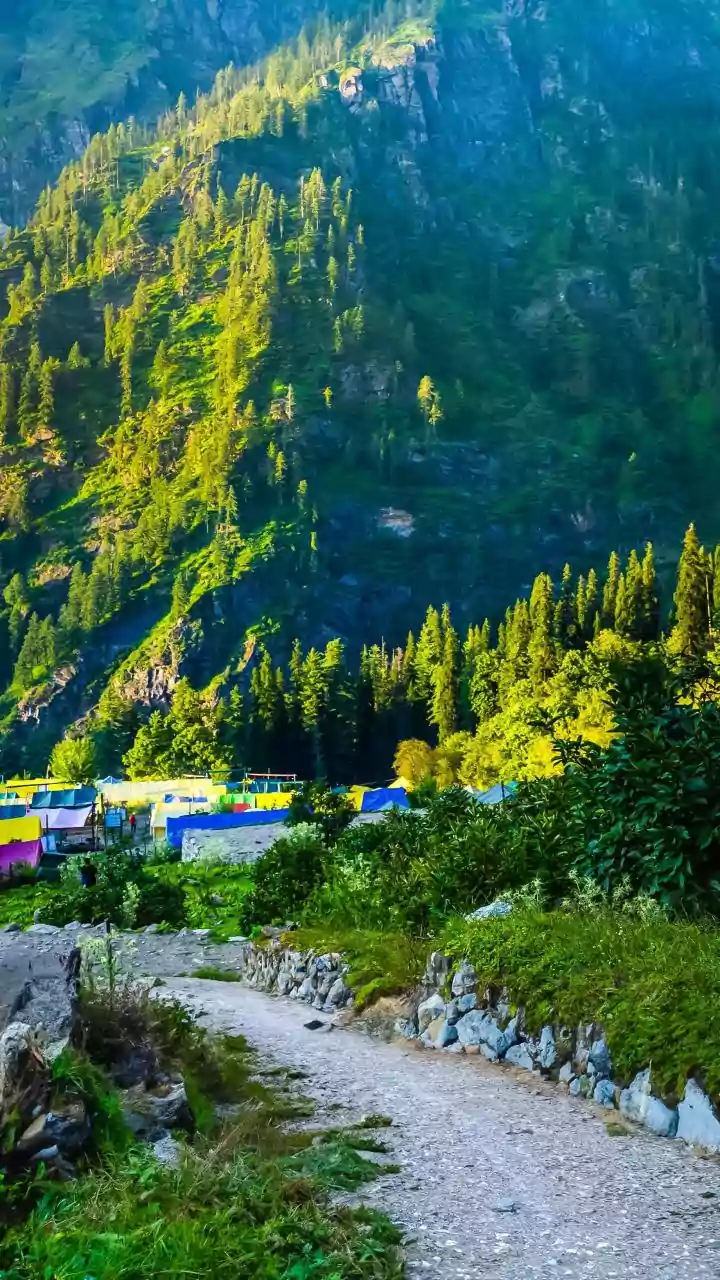
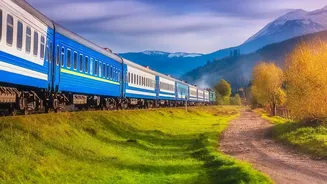
The 46-kilometre journey is a feast for the senses, taking about five hours to ascend from the hot plains of Mettupalayam (326 metres) to the cool climes of Ooty (2,203 metres). The train, with its charming blue and cream coaches, winds its way through 250 bridges, 16 tunnels, and over 200 curves. The scenery transforms dramatically along the way. The initial stretch passes through rice paddies before entering dense shola forests. As the train climbs, passengers are treated to breathtaking views of deep valleys, mist-covered hills, and the iconic rolling tea plantations that carpet the Nilgiris like a green velvet quilt. The slow pace, averaging just over 10 km/h, is a deliberate feature, allowing travellers to soak in every panoramic vista.
More Than Just a Train Ride
Riding the NMR is about embracing a different rhythm of travel. It’s a journey that encourages you to look out the window rather than at your phone. The sound of the steam whistle echoing through the hills, the smell of coal and steam, and the cool mountain air create an immersive, nostalgic experience. The train passes through quaint, colonial-era stations like Coonoor, Wellington, Ketti, and Lovedale, each retaining an old-world charm. This journey is not just a link between two places; it connects travellers to the history, culture, and stunning ecology of the Nilgiris. It’s a reminder of a time when the journey itself was the destination, offering a peaceful and profound travel experience that stays with you long after you’ve arrived.