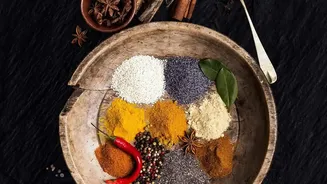




1. Berbere: The Soul of Ethiopia
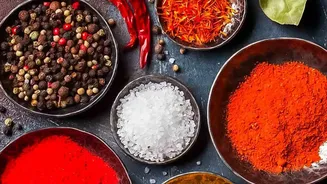
Berbere is the cornerstone of Ethiopian and Eritrean cuisine, a complex blend that is fiery, fragrant, and deep red. The name itself means 'hot' in Amharic. But its heat is not a simple burn; it's a layered warmth built from a dozen or more spices. Family
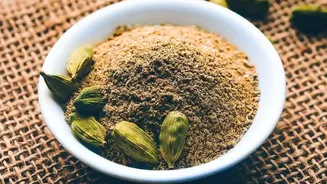
recipes are closely guarded secrets, but most begin with a base of chilli peppers. The blend’s history is tied to ancient trade routes, where spices from Asia like cinnamon and cardamom first arrived in the Horn of Africa and were incorporated into local culinary traditions.One key ingredient is fenugreek, a small, hard, golden seed that provides a subtle, savoury bitterness and a maple-like aroma when cooked. It is essential for balancing the heat of the chillies. Another is korarima, or Ethiopian cardamom. Unlike the more common green cardamom, korarima is larger, darker, and has a smoky, floral, and slightly peppery profile that adds incredible depth. Together, these ingredients create a blend that is essential for stews like doro wat, Ethiopia's national dish.
2. Ras el Hanout: North Africa's 'Top Shelf' Blend
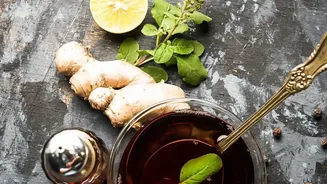
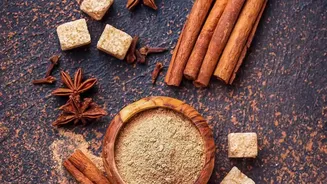
Meaning 'head of the shop' in Arabic, Ras el Hanout is a Moroccan blend that represents the very best spices a merchant has to offer. There is no single recipe; some versions contain a dozen spices, while others might boast over thirty. It's more aromatic and warm than overtly spicy, designed to add a sophisticated, floral, and earthy depth to tagines, couscous, and roasted meats. Common components include familiar faces like cumin, coriander, ginger, and turmeric.A defining ingredient often found in more complex blends is grains of paradise. Native to West Africa, these small reddish-brown seeds are related to ginger and have a peppery bite with fragrant notes of citrus, cardamom, and butter. They offer a pungent heat that is more nuanced than black pepper. Cinnamon is another crucial element, providing a sweet warmth that balances the earthy spices and gives the blend its signature North African character. It’s this interplay of warming, sweet, and peppery notes that makes Ras el Hanout so versatile and celebrated.
3. Harissa: Tunisia's Fiery Heart
Originally from Tunisia, Harissa is a fiery red paste that has become a staple across North Africa and the Middle East. Its name comes from the Arabic verb 'harasa', meaning 'to crush' or 'pound', which is how it was traditionally made. In 2022, UNESCO even recognized the knowledge and skills behind making harissa as an Intangible Cultural Heritage of Humanity. While recipes vary, the foundation is a blend of dried red chillies, garlic, olive oil, and spices.Beyond the essential heat from chillies like the Tunisian Baklouti pepper, caraway seeds are a key ingredient that gives Harissa its distinctive flavour. Caraway provides a pungent, slightly anise-like warmth that separates harissa from other chilli pastes. Coriander seed is another vital component, adding a bright, citrusy, and slightly sweet note that lifts the blend and prevents the heat from being flat. Together, they create a condiment that’s not just hot, but smoky, tangy, and deeply aromatic, perfect for stirring into stews, using as a marinade, or simply serving with bread.
4. Dukkah: Egypt's Nutty, Crunchy Condiment
Dukkah (also spelled duqqa) is an Egyptian creation, a crunchy, fragrant mixture of nuts, seeds, and spices. The name is derived from the Arabic word for 'to pound', reflecting its coarse texture. Unlike the other blends on this list, which are primarily used in the cooking process, dukkah is most often used as a finishing condiment. The most classic way to eat it is by dipping bread into olive oil and then into the dukkah. It’s also sprinkled over salads, vegetables, and dips like hummus.The base of dukkah is typically nuts—often hazelnuts or almonds—which are toasted and coarsely ground. These provide the blend’s signature crunch and rich, nutty flavour. Sesame seeds are another non-negotiable ingredient, adding their own toasty, slightly sweet notes. Finally, cumin offers a smoky and earthy depth that grounds the blend and ties the nutty and herbaceous flavours together. The result is an addictive, textural topping that adds a burst of flavour to almost any dish.
5. Yaji: The Flavour of Nigerian Suya
Yaji, also known as Suya spice, is the heart and soul of Nigeria's most famous street food, suya—thinly sliced, grilled meat skewers. This West African blend is nutty, spicy, and intensely savoury. It’s used both as a rub before grilling and as a dust for sprinkling on after. While recipes vary by vendor and family, a few core ingredients define its unique profile.The unmistakable foundation of Yaji is ground roasted peanuts, or sometimes kuli-kuli, a pressed peanut cake. This gives the blend a rich, nutty, and slightly creamy texture and flavour. Ginger provides a pungent, zesty heat that cuts through the richness of the peanuts and meat. And finally, a crushed bouillon cube, often from the Maggi brand, is a key ingredient for many, adding a deep, umami-rich savouriness that makes the blend so addictive. Combined with dried chilli for heat, it creates a powerful seasoning that is uniquely West African.