

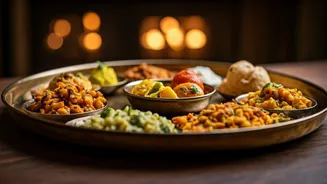


A Nationwide Craving for Authenticity
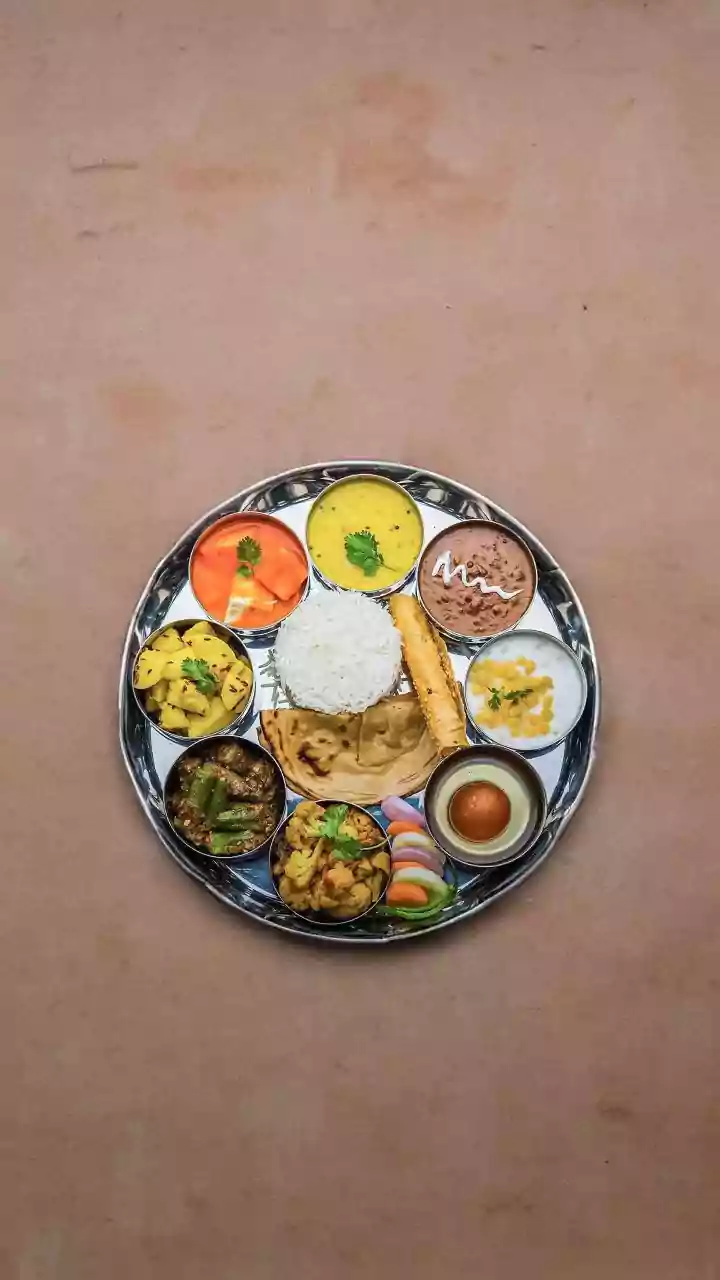
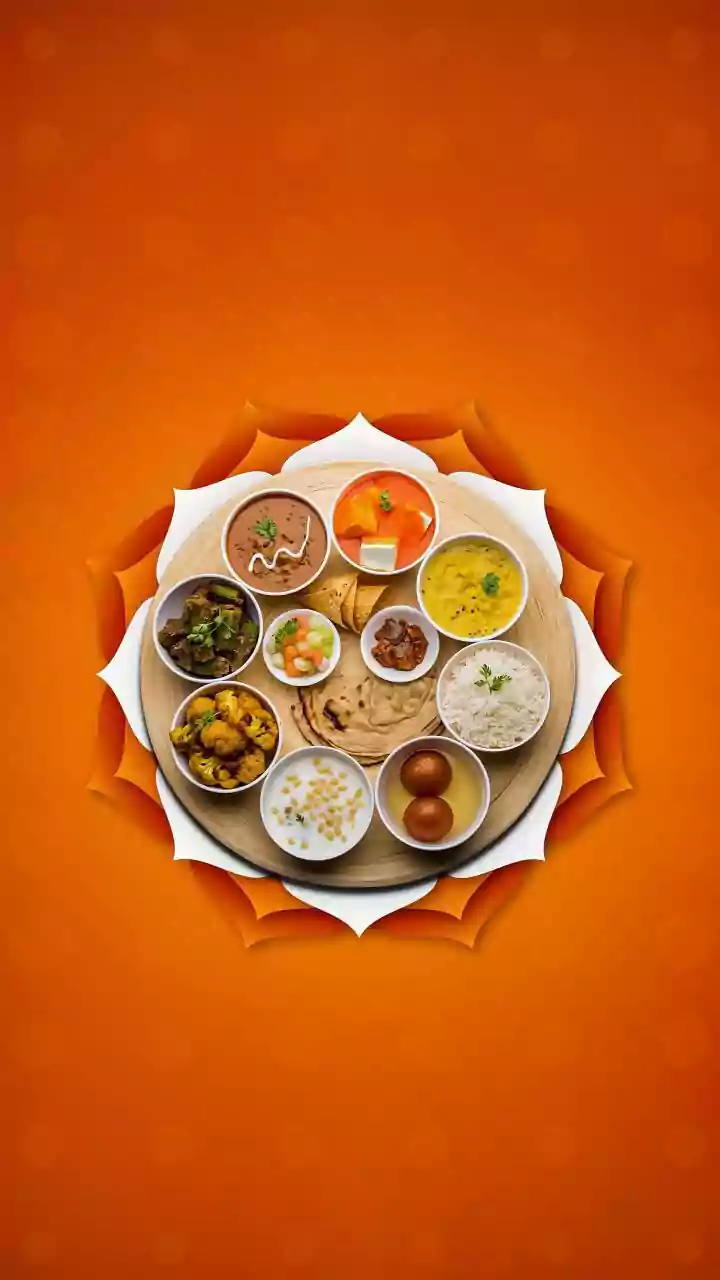
The desire for meals that travel across state lines isn't just about convenience; it's a quest for authenticity. In a country with a culinary landscape as diverse as India's, food is deeply tied to identity, memory, and nostalgia. For people living away
from their hometowns, a plate of their region's signature dish is a comforting taste of home. This trend has been amplified by the rise of foodie culture, where discerning consumers are eager to explore unique and iconic dishes beyond their local offerings. [11] Structural shifts like smaller households, increased urbanisation, and migration are also fuelling the frequency of ordering in, making consumers more open to premium and specialised food services. [15, 14] The market is evolving from just fulfilling immediate hunger to curating special culinary experiences, and long-distance delivery is the next frontier.
The Rise and Fall of Grand Ambitions
The logistics of delivering freshly prepared meals over hundreds of kilometres are complex. The challenge involves not just transport but also preserving the taste, texture, and safety of the food without freezing it or using preservatives. [6, 8] Major players have attempted to crack this code. Zomato, for instance, launched its ambitious 'Intercity Legends' service in 2022, which aimed to deliver iconic dishes from ten cities across India. [7, 9] The initial model involved next-day delivery of freshly packed meals using state-of-the-art mobile refrigeration. [6] However, after a two-year run that included several pivots—from next-day deliveries to pre-stocked items and even a version with a minimum order value of ₹5,000—Zomato ultimately shut down the service in mid-2024, citing a failure to find a sustainable product-market fit. [3, 4, 10] This highlights the immense operational and economic challenges in making interstate food delivery a mainstream, profitable venture.
The Specialists: Niche Players Filling the Gap
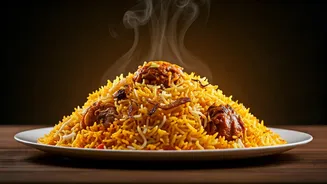
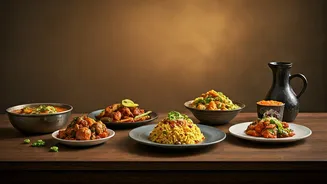
While the giants have struggled, specialised services are finding their footing by focusing on this niche. Companies like JustMyRoots and Tastes2Plate have been building their models around this very concept for years. JustMyRoots, for example, connects people with food from their hometowns, be it from iconic restaurants or even home kitchens. [8, 11] They use patented packaging technology to keep food fresh in a chilled state (5 to 8 degrees Celsius) during transit. [8] Similarly, Hungersate is another platform that uses temperature-controlled logistics and airlifts food to deliver meals between cities, ensuring freshness. [2, 5] These platforms often focus on curated menus of legendary dishes, from Hyderabadi biryani and Bengali sweets to Amritsari kulchas, effectively acting as a culinary bridge for food lovers across the country. [12, 11]
Is It Worth the Wait and the Cost?
Ordering a meal from another state is undeniably a premium experience. It's not a solution for a quick weekday lunch; rather, it’s for special occasions or to satisfy a deep craving for a specific, authentic taste. The costs involved are higher than a local order due to the specialised packaging, logistics, and often, air freight required to ensure the food arrives in good condition. [2] Delivery times are also longer, typically ranging from same-day to next-day delivery depending on the service and the distance. [6] For many users, however, the experience is worth it. Testimonials often speak of the joy of sharing a nostalgic meal with family or surprising a loved one with a taste of home. [11] The key is to manage expectations: this is a planned indulgence, not an instant gratification service.
The Future of Food on the Move
Despite the hurdles, the dream of a borderless kitchen in India is very much alive. The overall online food delivery market in India is projected for massive growth, expected to nearly triple by 2030, driven by rising order frequency and expansion into smaller cities. [14, 15] While hyper-local, quick delivery will remain the dominant model, the niche for intercity delivery will continue to evolve. We may see more refined logistics, potentially through partnerships with railways, which are also digitising their food delivery services for passengers. [22] The focus will likely remain on high-value, iconic, and non-perishable or specially-packaged perishable items that can withstand the journey. For foodies, this means that while the dream of getting any dish from anywhere in 30 minutes remains a fantasy, the ability to access India's legendary culinary treasures will only get better.