

The Problem with Today's Batteries
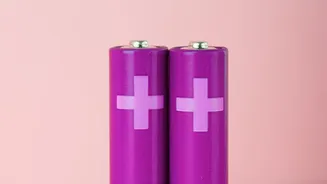
For years, the heart of nearly every electric scooter has been the lithium-ion battery. These power packs are energy-dense, meaning they store a lot of power in a small space, which is great for performance. However, they come with two major hurdles for the Indian
market: cost and safety. The battery pack alone can account for 35-45% of a scooter's total manufacturing cost, keeping prices stubbornly high for many potential buyers. More critically, conventional lithium-ion batteries, particularly NMC (Nickel Manganese Cobalt) types, have been at the center of widely publicised fire incidents. These events are often caused by a phenomenon called 'thermal runaway,' a dangerous chain reaction where the battery overheats uncontrollably, sometimes triggered by overcharging, physical damage, or manufacturing defects. This has understandably created safety concerns among consumers.
Enter LFP: The Safer, More Stable Choice
In response to safety demands, the Indian EV industry is increasingly shifting towards a different type of lithium battery: LFP, which stands for Lithium Iron Phosphate. LFP batteries are widely considered safer because they are chemically and structurally more stable. Their resistance to overheating is significantly higher, drastically reducing the risk of thermal runaway that plagues other lithium chemistries. This makes them particularly well-suited for India's demanding climate, where summer temperatures can soar. While slightly heavier and less energy-dense than their NMC counterparts, LFP batteries offer a much longer lifespan, often lasting for 3,000 to 5,000 charge cycles compared to 1,500 to 2,000 for NMC. This extended durability, combined with enhanced safety, is making LFP the preferred technology for manufacturers focused on reliability and long-term value.
Sodium-Ion: The Ultimate Game Changer?
Looking further ahead, the next true breakthrough is expected to be sodium-ion battery technology. The core advantage is the raw material itself: sodium, the same element found in common salt, is over 1,000 times more abundant in the Earth's crust than lithium and is geographically widespread. This eliminates reliance on a complex global supply chain for lithium and other critical minerals like cobalt and nickel. As production scales up, sodium-ion batteries are expected to become significantly cheaper than lithium-ion options. While the technology is still maturing, major battery manufacturers have already begun mass production, and the first electric two-wheelers using sodium-ion batteries have hit the market in China. They offer excellent performance in extreme temperatures and can be charged quickly, making them a very promising alternative for affordable urban mobility.
The Path to an Affordable Scooter
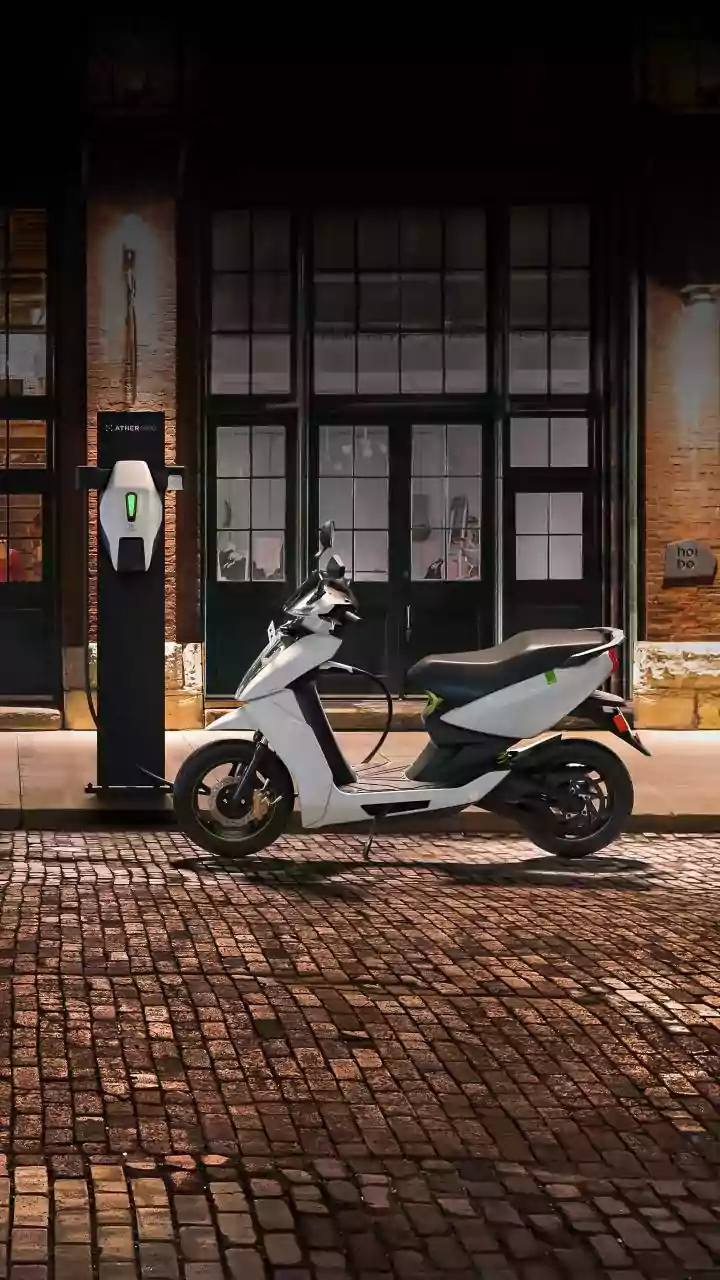
The combination of these safer and cheaper battery technologies creates a clear path toward a more accessible electric scooter market. LFP batteries are already helping bring down the total cost of ownership by extending the vehicle's lifespan and reducing replacement costs. As sodium-ion technology becomes commercially widespread, which experts predict will happen from 2026 onwards, the upfront cost of electric scooters could fall dramatically. The ability to use existing lithium-ion manufacturing lines with minor modifications will help accelerate this transition. With the battery being the most expensive component, a significant reduction in its cost directly translates to a lower sticker price for the consumer. This could finally unlock the sub-₹70,000 electric scooter segment, making clean, personal transport a viable option for millions more Indians.
What This Means for India's EV Dream
An affordable scooter boom, sparked by safer batteries, would be a massive catalyst for India’s electric mobility goals. The government is already aiming for 80% of two-wheeler sales to be electric by 2030, a huge leap from today's figures. Overcoming the primary barriers of high cost and safety concerns is crucial to achieving this target. Cheaper and more reliable electric scooters would not only appeal to personal buyers in Tier-1 and Tier-2 cities but also supercharge adoption in the booming gig economy for delivery and logistics services. As consumers gain confidence in the safety and longevity of their vehicles, the transition away from petrol-powered two-wheelers can accelerate, putting India on a firm path to a cleaner, electrified transportation future.