




The Concrete Reality of Urban Life
Life in a bustling Indian metropolis is a sensory overload. The hum of traffic, the endless stretches of steel and glass, and the sheer density of people can leave us feeling disconnected from the natural world. This separation isn't just a feeling; it has
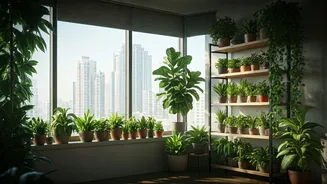
tangible effects on our well-being. Urban environments are often linked with higher stress levels and a lack of restorative quiet. As apartments get smaller and public green spaces become more crowded, the need for a personal oasis has never been more urgent. Many urban dwellers are finding that the answer isn't to escape the city, but to reshape their personal corner of it.
The Science of Green Comfort
The idea that humans have an innate need to connect with nature is known as 'biophilia'. The practice of integrating natural elements into our built environments, called biophilic design, is more than an aesthetic trend—it’s a response to this need. A wealth of research shows that interacting with indoor plants can have a profound impact on our mental state. Studies have demonstrated that even passive exposure to plants can lower levels of cortisol, the body's stress hormone, leading to reduced feelings of stress and anxiety. The presence of greenery has been linked to improved mood, increased focus, and greater overall happiness, providing a powerful antidote to the pressures of city living.
Breathing Easier, Literally
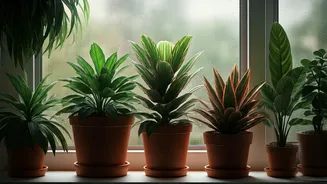
Beyond the psychological benefits, indoor plants are quiet workhorses for improving physical health, particularly air quality—a major concern in many Indian cities. Research, including NASA's Clean Air Study, has identified numerous houseplants that act as natural air purifiers. These plants can absorb common indoor toxins like formaldehyde and benzene, which are often emitted by furniture, cleaning products, and paints. Plants like the Snake Plant, Areca Palm, and Peace Lily are particularly effective. The Snake Plant is even known for releasing oxygen at night, making it an excellent companion for the bedroom. In air-conditioned rooms, which can have very dry air, plants like the Areca Palm also act as natural humidifiers.
Creating Your Personal Jungle
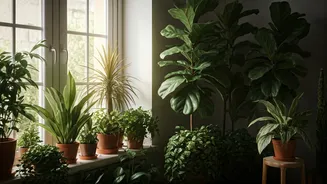
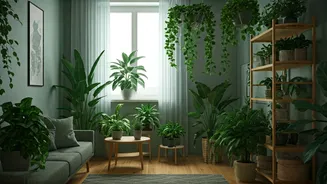
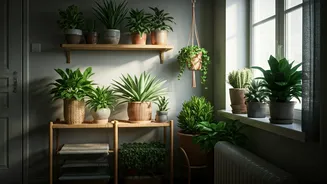
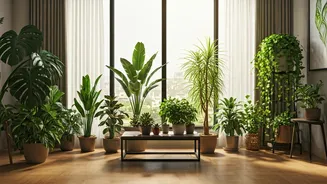
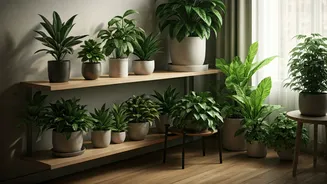
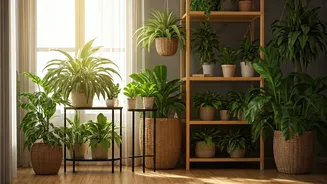
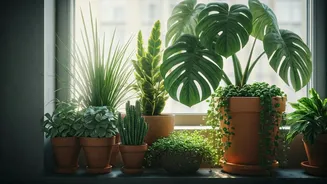
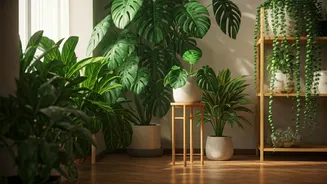
The trend of indoor gardening is growing rapidly in India, driven by a desire for wellness and a connection to nature. You don’t need a sprawling garden or even a balcony to start. Container gardening is perfectly suited for space-starved urban homes. For beginners, it's best to start small with one or two low-maintenance plants. The popular and resilient Money Plant (Pothos) can handle low light and irregular watering. The hardy Spider Plant is another great choice, known for its air-purifying qualities and being easy to care for. Consider the light in your home; some plants thrive in bright, indirect sunlight, while others are content in shadier corners. Arranging plants at different heights using shelves and hanging planters can create a lush, layered look without taking up valuable floor space.
A Ritual of Nurturing
The benefits of having plants extend to the act of caring for them. In a world of constant digital distraction, the simple rituals of watering, pruning, and observing a plant’s growth can be a meditative practice. This act of nurturing encourages mindfulness, helping you stay present and grounded. For many urban dwellers, caring for their indoor garden provides a sense of purpose and accomplishment. It’s a gentle, tangible way to connect with the cycles of life, offering a quiet counterpoint to the fast, often impersonal, rhythm of the city. This daily or weekly interaction fosters a deeper relationship with your living space, turning a house or apartment into a true home.