






From Price Wars to Loyalty Plays
For years, the Indian e-commerce playbook was simple: acquire customers at all costs, primarily through aggressive pricing and steep discounts. Giants like Flipkart and Amazon India onboarded hundreds of millions of users by making online shopping irresistibly
cheap. But as the market matures and competition intensifies, that model is showing its limits. With a massive user base now established, the strategic focus has pivoted from acquisition to retention. Studies show that a positive customer experience directly correlates with brand loyalty, encouraging repeat purchases and recommendations. In a crowded field, where products and prices are often similar, the overall experience has become the ultimate differentiator. It is far more expensive to acquire a new customer than to keep an existing one, making loyalty the new currency of Indian e-commerce.
The Rise of the Empowered Consumer
Today's Indian shopper is more digitally savvy, globally aware, and less patient than ever before. With growing internet penetration in Tier 2 and Tier 3 cities, a new wave of consumers is coming online with high expectations. These shoppers demand seamless navigation, easy checkouts, and responsive service. Furthermore, the power of social media and online reviews means that a single bad experience—a delayed delivery, a difficult return, or unhelpful support—can be amplified instantly, damaging a brand's reputation. Research shows that a vast majority of consumers expect businesses to understand their unique needs and provide instant responses, making excellent service a baseline expectation, not a bonus. This has forced retailers to move beyond just selling products to actively managing the entire customer journey.
Personalization Powered by AI
Artificial Intelligence (AI) is at the heart of the new customer experience strategy. E-commerce platforms are leveraging AI and machine learning to offer hyper-personalized shopping journeys that were previously impossible. This goes far beyond showing a customer's name on the homepage. AI algorithms analyze browsing history, purchase data, and even real-time behaviour to provide tailored product recommendations, dynamic pricing, and relevant offers. Companies like Myntra and Nykaa use AI for fashion and beauty personalization, while Flipkart uses AR-based tools to let users virtually try on products. This level of personalization makes customers feel understood, increasing engagement and conversion rates significantly. Indian consumers have shown a high level of trust in AI for tailored deals, making it a crucial tool for building relationships.
Solving the Last-Mile Challenge
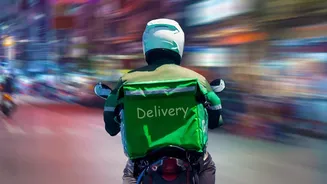
The customer experience doesn't end at the checkout button; in India, that's often where the real challenge begins. The 'last mile' of delivery—the journey from a local distribution hub to the customer's doorstep—is notoriously complex and expensive, accounting for over half of total shipping costs. Issues like ambiguous addresses in smaller towns, traffic congestion in metros, and a high dependency on Cash on Delivery (COD) can lead to delivery failures and customer frustration. Recognizing that delivery is the only physical touchpoint most customers have with the brand, retailers are investing heavily in this area. Innovations include real-time tracking, route optimization using AI, and collaborating with local 'kirana' stores as delivery hubs to improve efficiency and reliability. The rise of quick commerce, promising delivery in minutes, has further raised the stakes on speed and convenience.