
The Quest for Complete Protein
When we talk about high-quality protein, we are often referring to 'complete proteins'. Our bodies need nine essential amino acids, which are the building blocks of protein, to function properly. We must get these from our food because our bodies cannot
produce them. A food source is considered a 'complete protein' when it contains all nine of these essential amino acids in sufficient amounts. While animal products like meat, eggs, and dairy are well-known complete proteins, the plant kingdom also offers powerful options for those looking to build a robust, nutrient-rich diet.
Tofu: A Plant-Based Superstar
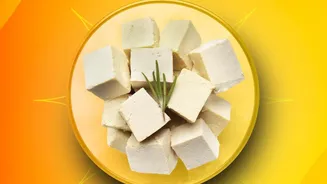
Tofu, which is made from soybeans, stands out as a plant-based champion. It is one of the few plant foods that is naturally a complete protein. A 100-gram serving of firm tofu can pack around 17 grams of protein, making it a formidable ingredient for any meal. Its versatility is another major advantage; its mild flavour allows it to absorb marinades and spices, and its texture can be transformed from soft and creamy to firm and chewy. This makes it an ideal base for a high-protein dinner without needing any help to complete its amino acid profile.
Lentils: The Fibre-Rich Workhorse
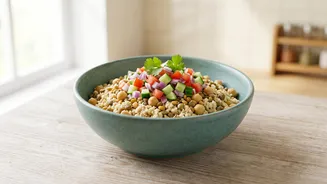
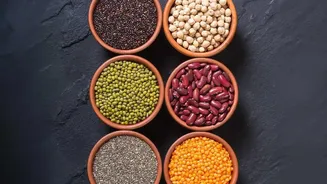
Lentils are another pantry powerhouse. A cooked cup provides about 18 grams of protein and an impressive amount of dietary fibre, which is crucial for digestive health and feeling full. While lentils are a protein force, they are slightly low in one or two essential amino acids, particularly methionine. In the past, nutritional advice stressed the need to pair incomplete proteins (like lentils with rice) in the same meal. However, modern understanding shows that our bodies can pool amino acids from foods eaten throughout the day to create complete proteins.
Creating a Nutritional Power Couple
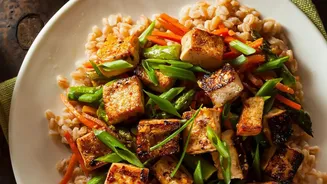
So, if tofu is already complete, why combine it with lentils? The answer lies in creating a meal that is more than the sum of its parts. Pairing the complete protein of tofu with the fibre and micronutrient-rich profile of lentils creates a true nutritional powerhouse. This combination delivers an exceptionally high protein count alongside plenty of fibre for satiety, iron for energy, and magnesium, which acts as a natural muscle relaxant. It’s not about making tofu 'better,' but about building a meal with unparalleled nutritional density.
Protein at Night: Fuelling Repair and Rest
Consuming protein in the evening can be highly beneficial, especially for those who are physically active. Overnight is when the body does most of its repair work. Supplying it with amino acids from protein helps repair and build muscle tissue. Furthermore, both tofu and lentils contain nutrients that can promote better sleep. Soy-based foods contain compounds that may help increase serotonin, a chemical that helps regulate sleep. Lentils are a good source of fibre and magnesium, both of which are linked to more restorative sleep. The key is to keep the meal a reasonable size and avoid eating a very large, heavy dish immediately before lying down.
Simple Meal Ideas to Start
Putting this combination into practice is simple and delicious. Try a hearty Red Lentil and Tofu Curry, where cubes of pan-fried tofu are simmered in a fragrant, creamy lentil sauce. Another option is to create Tofu and Lentil Patties; combine cooked lentils, mashed firm tofu, and spices, then pan-fry them for a perfect burger or salad topper. For a comforting one-pot meal, a Tofu and Lentil Stew with root vegetables provides a balanced and warming dinner. These dishes are not only packed with protein but are also deeply satisfying and easy to prepare.