

Your Garden's Blueprint
Think of a seed packet as a plant's biography and blueprint rolled into one. It tells you everything you need to know to give that specific seed the best possible start. Ignoring it is like trying to build flat-pack furniture without the instructions
— possible, but unnecessarily difficult and prone to error. The front usually shows the plant variety, but the back is where the critical information lives. Taking just five minutes to read it can save you from common mistakes like planting at the wrong time or in the wrong place. In India, new regulations have even pushed for QR codes and local language instructions on packets to make this information more accessible to every grower.
Timing is Everything: When to Sow
One of the most common seed-starting mistakes is planting too early or too late. The packet will guide you. It specifies whether to 'direct sow' seeds straight into the garden or start them indoors for transplanting later. This is crucial for vegetables like tomatoes or peppers, which often need a head start indoors weeks before the last frost. The packet will recommend a planting window based on your climate, ensuring your tender seedlings aren't killed by a late cold snap or planted too late to mature before the season ends.
The Details of Depth and Spacing
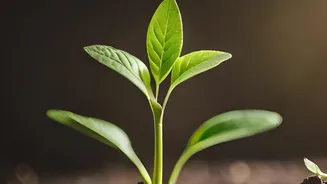
It might seem like a minor detail, but planting depth is critical. A general rule is to plant a seed no more than twice its diameter deep. Plant it too deep, and the seedling may exhaust all its stored energy before it can reach the surface and find light. Plant it too shallowly, and it might dry out or wash away. Spacing instructions are equally important to prevent overcrowding. Plants packed too closely will compete for sunlight, water, and soil nutrients, resulting in weaker, less productive plants. The packet will often give you both a seed spacing and a 'thin to' recommendation, which is the final distance plants should be from each other after you remove weaker seedlings.
Light, Water, and Location
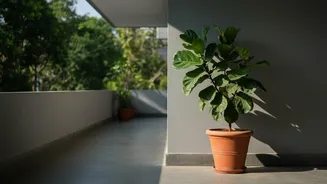
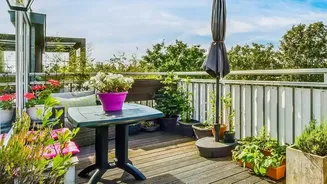
Not all plants have the same needs. A seed packet will tell you if the plant requires 'full sun' (6+ hours of direct sunlight), 'part shade', or 'full shade'. Planting a sun-loving tomato in a shady corner will only lead to a leggy, fruitless plant. While specific watering instructions are rare, the packet provides the foundation for success. Once you know the light and soil requirements, you can place the plant in a location where it can thrive with a consistent watering schedule, preventing the common pitfalls of over or under-watering.
Managing Expectations: Germination and Maturity
Patience is a virtue in gardening, and the seed packet helps you calibrate it. 'Days to germination' tells you how long you should expect to wait for sprouts to appear. This can range from a few days for radishes to several weeks for peppers or parsley. Knowing this prevents you from giving up on your seeds too early. 'Days to maturity' estimates the time from planting to harvest. This is vital for planning your garden, especially for succession planting, where you sow a new crop after the first one is harvested. It allows you to choose varieties that fit within your region's growing season.