





A Symphony in a Cup
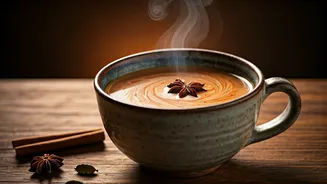
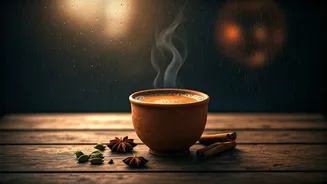
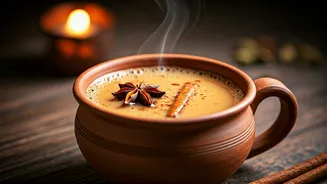
Before you even take a sip, masala chai makes its presence known. It’s an olfactory experience first—the sharp, sweet perfume of crushed cardamom, the warming heat of ginger, the woody notes of cinnamon, and the subtle fire of black pepper and cloves.
These aren't just ingredients; they are notes in a complex symphony. When combined with robust black tea, milk, and sugar, they create a flavour profile that is simultaneously comforting and invigorating. This balance is key to its universal appeal. It's strong enough to jolt you awake but gentle enough to soothe a weary soul. Unlike a simple cup of black tea or coffee, chai engages all the senses, making each cup a small, multi-layered event.
A Taste of History and Home
The story of masala chai is a story of adaptation and ingenuity. While tea cultivation was popularised in India by the British, the concept of adding spices was a distinctly Indian innovation. Drawing from ancient Ayurvedic principles, which champion the healing and balancing properties of spices, people began transforming the plain black tea into something more. Ginger was for digestion and colds, cardamom a mood lifter, and cloves an antiseptic. Every household developed its own secret ratio, a unique 'masala' blend passed down through generations. This history is infused in every cup. Drinking chai is not just tasting a beverage; it’s partaking in a tradition that is both deeply historical and intensely personal. It’s the flavour of home, a liquid legacy from our mothers and grandmothers.
The Great Social Connector
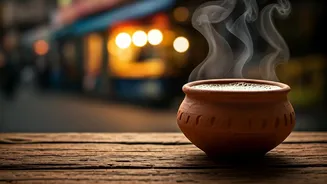
Step onto any street corner in India, and you’re likely to find the heart of the community: the chai-wallah. Behind a steaming pot, they serve as the conductor of local life. Here, business deals are struck, friendships are forged, political debates rage, and gossip is exchanged over small glasses of 'kadak' chai. It is the great equaliser. From labourers to corporate executives, everyone gathers for their daily fix. Chai breaks in the office aren’t just about caffeine; they are about camaraderie. Offering a guest a cup of chai is the first rule of Indian hospitality, a simple gesture of warmth and welcome. It’s a social lubricant, a conversation starter, and the silent witness to millions of stories unfolding every single day.
A Ritual of Comfort
Masala chai’s most potent magic lies in its role as a universal comforter. It’s the prescribed remedy for everything from the common cold and a throbbing headache to a broken heart. The very act of preparing it is a ritual. The gentle bubbling of water, the rhythmic clinking of a spoon against the saucepan, the careful measurement of spices—it’s a meditative process that signals a pause, a moment of respite from the chaos of life. On a rainy afternoon, there is no greater comfort than a hot cup of chai and a plate of pakoras. It’s the drink we crave when we are feeling low and the one we use to celebrate small joys. This emotional connection elevates it from a mere habit to a cherished ritual.
An Enduring, Adaptable Icon
In an era of globalised cafe culture, with its Frappuccinos and matcha lattes, masala chai has not only survived but thrived. It has adapted, appearing on international menus as a 'chai tea latte'—a sweeter, often milder version of the original. Yet, its authentic form remains undefeated. No matter how many fancy cafes open, the humble roadside stall continues to draw crowds. Its enduring victory comes from its authenticity. It’s a drink that refuses to be just a trend. It is rooted in culture, community, and comfort, offering a consistent, reliable warmth in an ever-changing world. It doesn't need rebranding or marketing; its power is in its simplicity and its deep, unshakable place in our collective hearts.