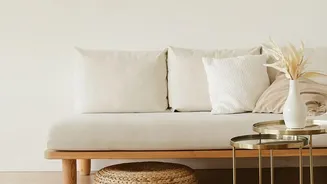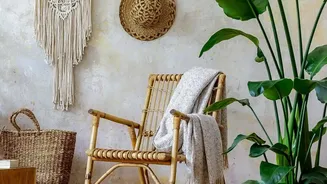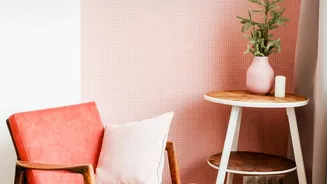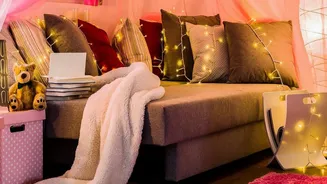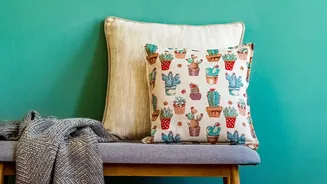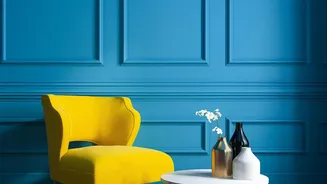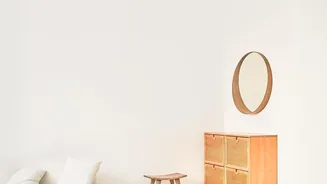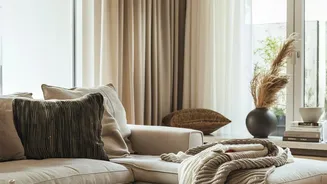


Beyond colour and furniture, texture is the secret to a home that feels truly inviting and complete. It adds depth, character, and a sensory richness that transforms a space from simply looking good to feeling wonderful. Here are five ways to use it.
1. Layer Rugs and Textiles
One of the most effective ways to add instant warmth is by layering textiles. This isn’t just about adding a throw blanket to your sofa; it’s about creating rich combinations. Think chunky knit throws draped over a smooth linen armchair or velvet cushions on a simple cotton sofa. The contrast between different fabric weaves creates visual and tactile interest. Don't forget the floor, which is the foundation of a room's design. Layering rugs—placing a smaller, patterned, or plusher rug on top of a larger, neutral one like jute or sisal—can define a seating area and add a huge dose of coziness. This technique allows you to play with pattern and softness underfoot, making a large room feel more intimate or a simple room more styled.
2. Embrace Plush Fabrics Like Bouclé and Velvet
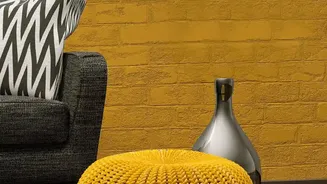
Certain fabrics are inherently cozy, and bouclé has become a favourite for its soft, looped texture that adds instant sophistication. A bouclé armchair or ottoman can serve as a focal point, its sculptural surface adding visual weight and an invitation to touch. While a full bouclé sofa is a statement, you can incorporate the trend with smaller accent pieces like cushions or a footstool. Similarly, velvet brings a sense of luxury and softness. The way its smooth pile catches the light adds depth. Pairing velvet cushions with a fabric like bouclé or linen creates a beautiful textural contrast that feels both modern and comfortable.
3. Incorporate Natural Woven Materials
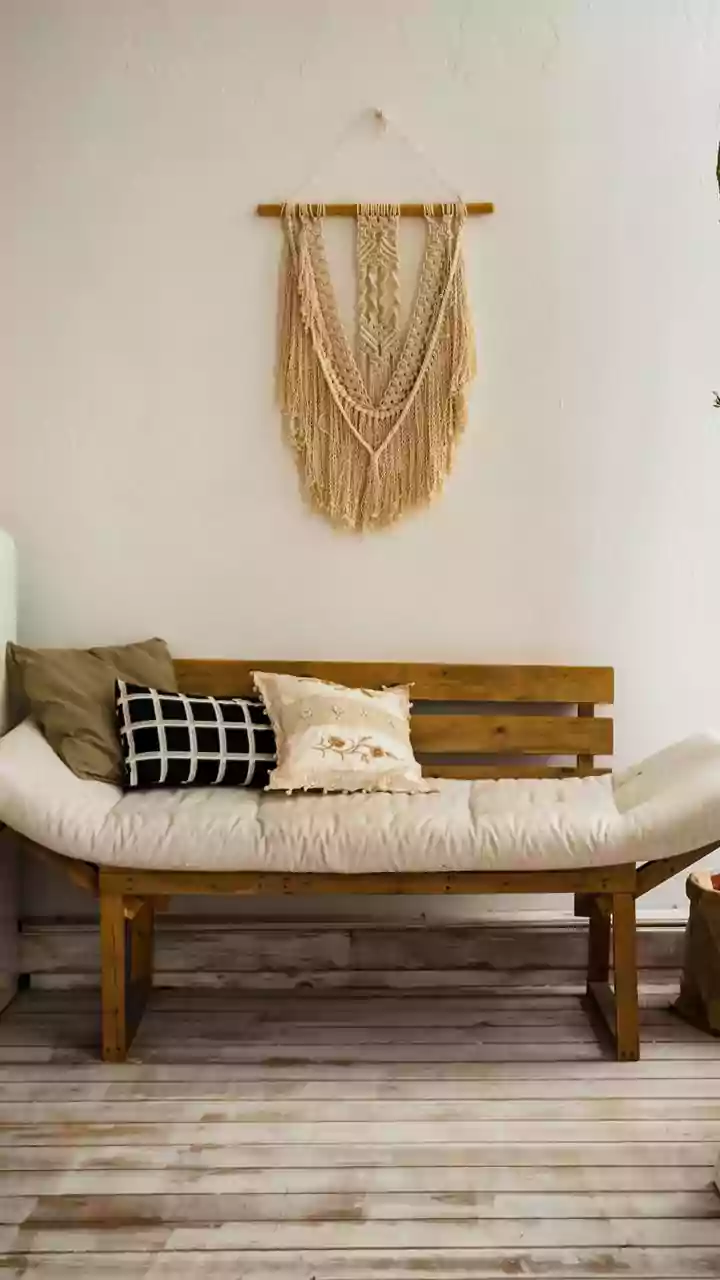
Natural fibres bring an organic, earthy warmth into the home that manufactured materials often cannot replicate. Materials such as jute, rattan, cane, and water hyacinth are increasingly popular in Indian homes for this reason. Think beyond just a jute rug; consider woven wall hangings like macramé to soften bare walls, rattan or cane light fixtures to cast a warm, diffused glow, or large woven baskets to stylishly store extra blankets and pillows. These pieces add a handmade, artisanal quality and connect your living space to the natural world, making it feel grounded and serene.
4. Use Wood and Stone Elements
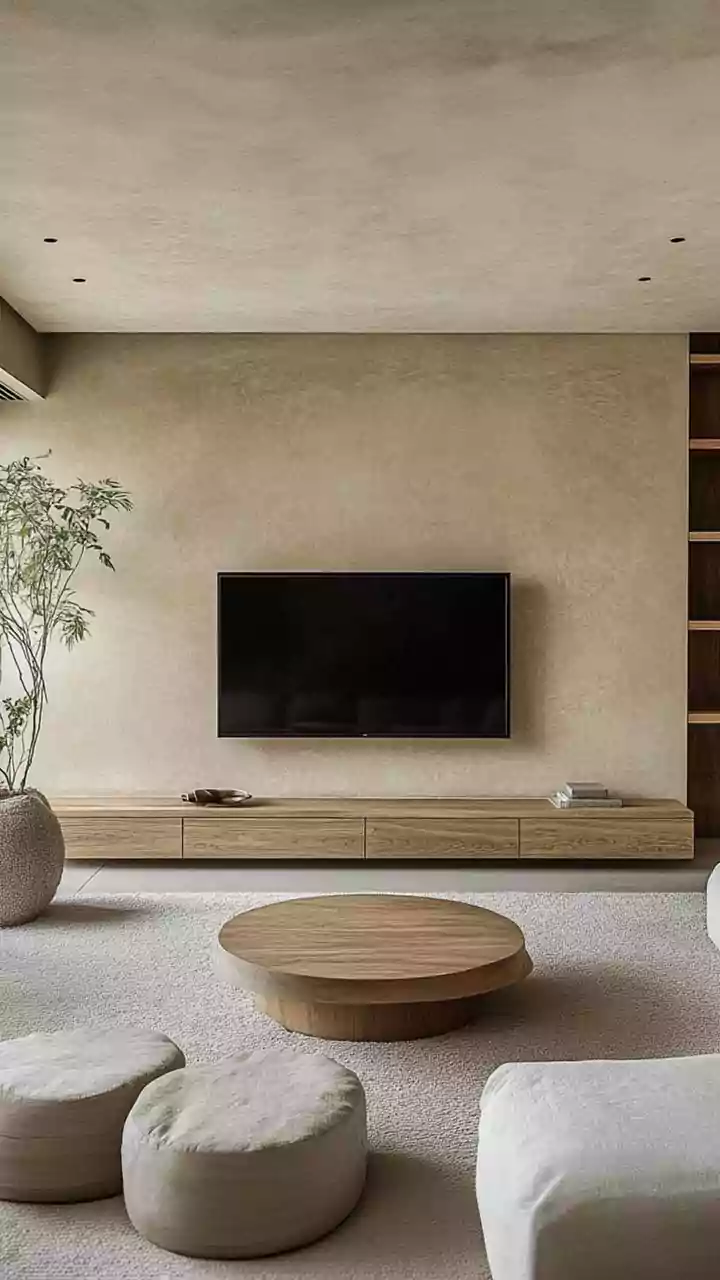
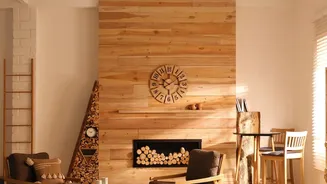
Texture isn't just about soft fabrics; it's also about the interplay between hard and soft surfaces. Natural materials like wood and stone provide a crucial grounding element. A wooden coffee table with a visible grain, a carved pedestal side table, or even simple wooden serving bowls bring an organic warmth. Likewise, stone elements, such as a marble tabletop, a slate cheese board, or travertine coasters, offer a cool, smooth contrast that makes the surrounding soft textiles feel even more luxurious and inviting. In India, traditional materials like Kota stone or terracotta are being reimagined in contemporary decor to add timeless character.
5. Display Textured Pottery and Art
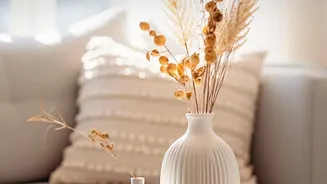
Decorative objects offer a chance to play with texture on a smaller, more focused scale. Instead of smooth, mass-produced vases, look for handmade ceramics with interesting glazes, visible throwing rings, or unglazed, earthy finishes. These pieces have a tactile quality that invites touch and adds a sense of artistry to your shelves or tabletops. A single sculptural vessel with a 'lava' or 'crater' glaze can become a compelling focal point. You can also add texture to your walls with 3D art pieces, framed textiles like vintage saris or block prints, or even wallpaper with a subtle woven or plaster-like finish. These details come together to create a layered, multi-sensory experience.