
The Great Time Crunch
Across India's bustling urban centres, life is accelerating. Increased urbanization, rising disposable incomes, and the prevalence of dual-income households mean that time has become the ultimate luxury. This societal shift is directly impacting the Indian
kitchen, a space traditionally defined by elaborate, slow-cooked meals passed down through generations. Long work hours and daily commutes leave little room for the meticulous process of grinding spices or slow-simmering a curry. As a result, consumers are actively seeking meal solutions that are quick and effortless, driving a significant change in national eating habits. This isn't about a rejection of traditional food, but a re-evaluation of how to fit it into a modern, fast-paced life.
The Rise of the 'Smart Shelf'
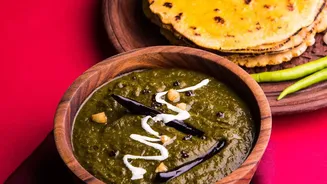
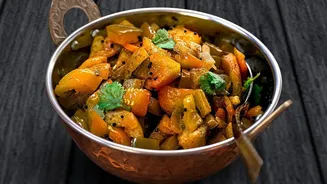
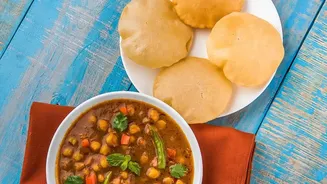
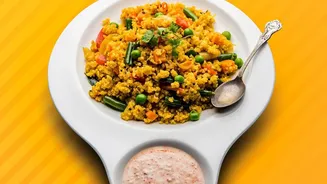
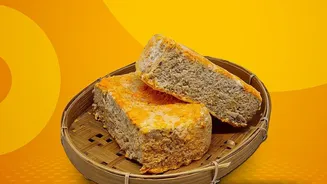
Step into any supermarket today, and you'll see the evidence of this new habit on full display. The shelves are stocked with an ever-expanding array of Ready-to-Eat (RTE) and Ready-to-Cook (RTC) options. The Indian RTE market, valued in the hundreds of millions of dollars, is projected to grow exponentially, with some forecasts predicting a compound annual growth rate of over 15%. This boom isn't just about generic instant noodles; it's about sophisticated meal solutions. Think retort-packaged palak paneer, frozen Malabar parottas, and RTC kits for everything from Hyderabadi biryani to Gujarati dhokla. Meal kit services, a newer concept in India, are also gaining traction, offering pre-portioned, fresh ingredients for those who want a cooking experience without the hassle of prep work. These products form a 'smart shelf' in the modern pantry, ready to be deployed on a busy weeknight.
Authenticity in a Packet?
The core challenge for brands is ensuring that convenience doesn't come at the cost of authenticity. Indian consumers, while short on time, have a discerning palate and a deep-rooted connection to the flavours of their childhood. A watery, bland version of a beloved dish simply won't cut it. In response, companies are investing heavily in food technology and culinary research to replicate traditional tastes as closely as possible. Many brands now emphasize their use of authentic regional recipes, preservative-free ingredients, and traditional cooking methods to win consumer trust. The marketing narrative often centres on heritage and nostalgia, framing these products not as a compromise but as a clever way to preserve culinary traditions in a new format.
Beyond the Plate: Cultural Shifts
This trend signifies more than just a change in what's for dinner; it reflects a broader cultural evolution. For generations, cooking was a central, time-consuming activity, particularly for women. The rise of convenience foods is intertwined with the increasing number of women in the workforce and a shift in household dynamics. Furthermore, for students and young professionals living away from home, these products offer a taste of comfort and a connection to their roots that they might not have the skills or time to create from scratch. While some may worry about the erosion of traditional cooking skills, others see it as a practical adaptation. The communal aspect of food remains, but the preparation is evolving to fit the demands of modern life.
The Future of the Indian Meal
Looking ahead, the fusion of convenience and tradition is set to become even more seamless. The market is witnessing a surge in demand for healthier options, including meals that are organic, gluten-free, low-calorie, or based on millets and other superfoods. Personalization will likely be the next frontier, with options catering to specific dietary needs and regional preferences becoming more common. Technology, from advanced packaging that extends shelf life to e-commerce platforms that deliver meals in minutes, will continue to fuel this growth. The Indian meal is not being replaced; it is being redefined. It's becoming more modular, more accessible, and more adaptable to the individual needs of 21st-century consumers.