




The Myth of the Useless Cloudy-Day Panel
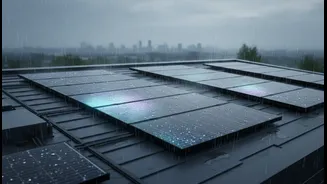
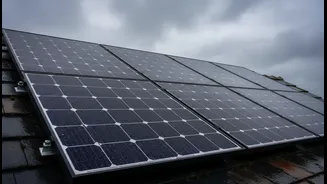
First, let's clear up a common misconception: no solar panel completely stops working when the sun is behind clouds. Standard photovoltaic (PV) panels are designed to convert sunlight into electricity, and even on the most overcast days, a significant
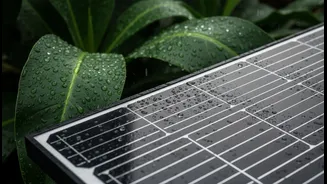
amount of diffuse sunlight still penetrates the atmosphere. The question isn't whether they work, but how well they work. On a heavily overcast day, a typical solar panel might produce only 10% to 25% of its rated capacity. While this is a significant drop, it is far from zero. During the Indian monsoon, system owners can generally expect a 15% to 25% decrease in overall energy generation during the wettest months. However, the accompanying cooler temperatures can actually help panels operate more efficiently, as extreme heat reduces their performance. Plus, the frequent rain provides a free cleaning service, washing away dust that can hinder performance.
What Exactly Are 'Cloudy-Day' Solar Panels?
The term 'cloudy-day solar panel' is more of a marketing concept than a distinct product category. It refers to a suite of advanced technologies that enhance a panel's ability to generate power in low-light conditions. The most prominent of these are N-type cells, specifically TOPCon and HJT technologies. Unlike older P-type (PERC) cells, these newer designs are significantly better at capturing diffuse and low-wavelength light. HJT (Heterojunction Technology) panels combine different types of silicon to maximise light absorption and perform exceptionally well in both low light and high heat, making them a premium choice for India's varied climate. TOPCon (Tunnel Oxide Passivated Contact) is the current mainstream successor to PERC, offering a great balance of improved efficiency and cost. Another key feature is the bifacial design, which allows panels to capture reflected sunlight from the surface below them—like a bright rooftop—boosting energy generation by an extra 5% to 20%, an advantage that is particularly useful on overcast days.
The Real-World Performance Boost
So, do these technologies make a tangible difference? The data suggests they do. Advanced panels made with monocrystalline silicon can capture 15-20% more energy from diffuse light than their older polycrystalline counterparts. Lab tests comparing different cell types under simulated cloudy conditions (low irradiance) show that HJT and TOPCon cells maintain a higher level of efficiency than PERC cells. This means that while all panels will see a drop in output during a dark, rainy afternoon, a system built with TOPCon or HJT panels will generate more electricity from the available light than a standard system. This improved performance in the margins can add up significantly over the 25-plus-year lifespan of a solar installation, leading to a higher overall energy yield and better returns on your investment.
The Cost vs. Benefit for Indian Homeowners
Naturally, this advanced performance comes at a price. As of 2026, there is a clear cost hierarchy in the Indian market. Standard Mono-PERC panels remain the most budget-friendly option. The more advanced TOPCon panels, now considered the mainstream standard, typically command a 5% to 15% price premium over PERC. HJT panels sit at the top end as the premium, most expensive choice. For a homeowner, the decision comes down to a trade-off. The higher upfront cost of TOPCon or HJT panels will buy you better performance in low light, superior resistance to heat-related losses, and a slower rate of annual degradation. This means more power generated not just during the monsoon, but on hot summer days and over the entire life of the system. In areas with long monsoon seasons or for homeowners who want to maximise their energy independence, the extra investment can pay for itself through higher long-term savings on electricity bills.
A Reliable System Is More Than Just Panels
Finally, it's crucial to remember that panels are only one part of the equation. To achieve true reliability, especially for power backup during outages, the entire system must be designed correctly. A hybrid inverter and a battery storage system are essential components. The inverter converts the DC electricity from the panels into usable AC power for your home, and smart inverters can optimise generation in changing light conditions. Batteries, meanwhile, store the excess energy generated during sunny periods, allowing you to use that stored solar power at night or during a grid failure on a rainy day. Without a battery, even the best cloudy-day panels won't keep your lights on when the grid is down. Therefore, focusing on high-quality panels while neglecting the supporting components will not deliver the reliability you seek.