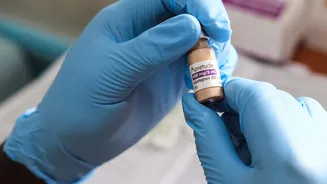







A startling new study finds that when patients with type 2 diabetes stop taking certain modern medications, their risk for heart attack, stroke, or death can rise significantly, highlighting the profound protective benefits of staying on treatment.
A Startling New Finding
Recent
research has sent a serious message to patients with type 2 diabetes: the decision to stop taking certain advanced medications could have life-threatening consequences. An observational study published in The Lancet Regional Health - Europe found that patients who discontinued a class of drugs known as GLP-1 receptor agonists had a dramatically higher risk of suffering a major cardiovascular event. Specifically, the combined risk of a non-fatal heart attack, non-fatal stroke, or death from any cause was found to be twice as high in those who stopped the treatment compared to those who continued it. The study, which analyzed the health records of over 80,000 people in Italy, found that roughly four out of every 100 people per year who stopped their medication experienced one of these adverse outcomes, compared to just two per 100 people who remained on the therapy. While this type of study shows a strong association rather than direct causation, the findings are a powerful reminder that these drugs do more than just manage blood sugar.
The Drugs in Focus: GLP-1s and SGLT2s
The medications at the center of these findings belong to two of the most innovative classes of diabetes treatments developed in recent years: GLP-1 (glucagon-like peptide-1) receptor agonists and SGLT2 (sodium-glucose cotransporter-2) inhibitors. You might recognize them by brand names such as Ozempic (a GLP-1) or Jardiance (an SGLT2 inhibitor). Initially designed to lower blood glucose levels, landmark clinical trials revealed their 'serendipitous' and powerful ability to also protect the heart and kidneys. GLP-1 agonists have been shown to reduce the risk of atherosclerotic events like heart attacks and strokes, while SGLT2 inhibitors are particularly effective at reducing hospitalizations for heart failure and protecting kidney function. This dual benefit has revolutionized diabetes management, shifting the goal from simply controlling sugar to actively protecting a patient's long-term cardiovascular health. The recent studies suggest that when treatment stops, this powerful protective shield is also removed.
Why Are Patients Stopping Treatment?
Given the clear benefits, why do so many people stop taking these medications? Studies show that discontinuation is alarmingly common, with some reports indicating that up to half of patients stop within the first year. The reasons are complex and multifaceted. One of the biggest hurdles, especially in India, is cost. These newer drugs are often significantly more expensive than older diabetes medications, putting them out of reach for many. Another major factor is side effects. GLP-1s can cause significant gastrointestinal issues like nausea and constipation, while SGLT2 inhibitors can increase the risk of genital and urinary tract infections. Sometimes, patients stop because they feel better or their blood sugar has improved, mistakenly believing the medicine is no longer needed. Global supply shortages, driven by the use of these drugs for weight loss, have also made it difficult for some diabetes patients to consistently access their prescriptions.
What This Means For You
The key takeaway from this research is that these medications are not a shortterm fix but a longterm therapy for a chronic condition. The protective effects on your heart and blood vessels appear to be dependent on continuous use. Stopping the medication, even temporarily, can cause a 'metabolic whiplash' where the underlying risks of inflammation, high blood pressure, and high cholesterol reemerge, quickly eroding the benefits gained. If you are taking a GLP1 agonist or an SGLT2 inhibitor for diabetes, it is crucial that you do not stop or alter your dosage without first speaking to your doctor. If you are struggling with side effects, cost, or access, have an open conversation with your healthcare provider. There may be strategies to manage side effects, alternative dosing schedules, or patient assistance programs available. Your doctor can help you weigh the significant longterm benefits of staying on the medication against any challenges you are facing.