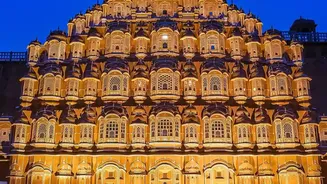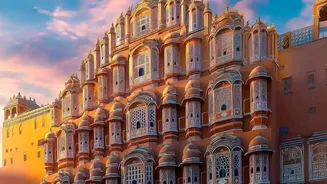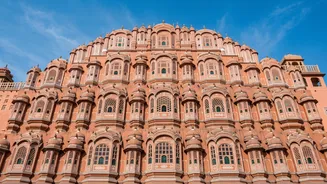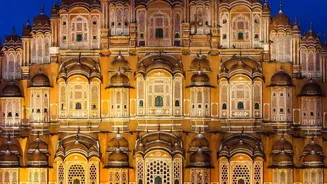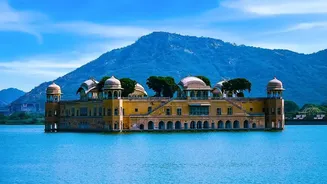


The Pink City is having a moment. Just as Jaipur gears up to celebrate its 300th anniversary, a wave of new international recognition is putting a fresh spotlight on this cornerstone of Indian culture, history, and craftsmanship.
A Fresh Wave of Global Acclaim
In recent months, Jaipur
has found itself firmly on the global travel map, not just as a historical destination but as a must-visit city for 2027. National Geographic recently named Jaipur to its prestigious 'Best of the World 2027' list, an editorial selection highlighting the most compelling destinations worldwide. This recognition was given specifically in anticipation of the city’s upcoming tercentenary. Adding to the momentum, Jaipur also earned high praise in Travel + Leisure's 2026 World's Best Awards, ranking among the top cities in both Asia and the world based on reader votes. These accolades are not just about ticking off landmarks; they reflect a growing appreciation for Jaipur's unique blend of living heritage, vibrant culture, and warm hospitality that continues to captivate global travelers.
A Royal City Nears its Tercentenary
The timing of this renewed attention could not be more perfect. In November 2027, Jaipur will mark 300 years since its founding by the visionary ruler Maharaja Sawai Jai Singh II. Established on November 18, 1727, Jaipur was a marvel of its time—one of India's first planned cities, designed with astronomical precision and principles of Vastu Shastra. Unlike other medieval settlements built on hills, Jaipur was laid out on a plain in a grid-iron pattern, with wide streets, designated market areas, and uniform facades that still define its character. This foresighted urban plan, created with architect Vidyadhar Bhattacharya, is a key reason the Walled City of Jaipur was declared a UNESCO World Heritage site in 2019.
Heritage, Hospitality, and a Modern Buzz
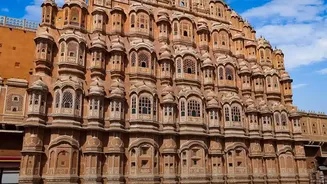
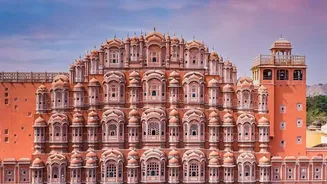
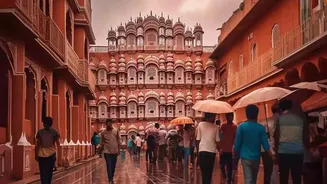
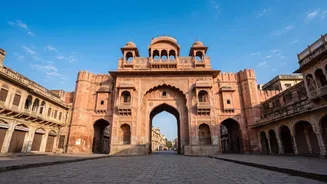
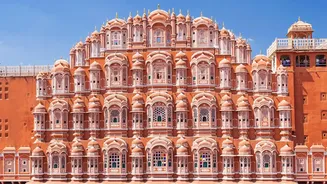
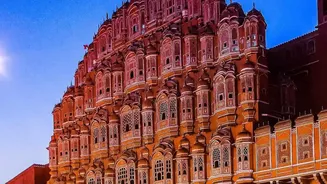
While its foundations are historic, Jaipur is anything but a city stuck in the past. Its UNESCO designation celebrates it as a 'living urban centre' where traditions thrive alongside modernity. Today, the city is a dynamic hub for culture and commerce. The iconic pink-hued buildings of the Walled City, originally painted in 1876 to welcome the Prince of Wales, now house bustling bazaars renowned for jewellery, textiles, and handicrafts. Beyond the markets, a modern Jaipur is emerging. The city is a key stop on the famed 'Golden Triangle' tourist circuit and hosts major international events, including the 20th edition of the Jaipur Literature Festival in early 2027, which attracts hundreds of thousands of attendees.
Preparing for a Milestone Celebration
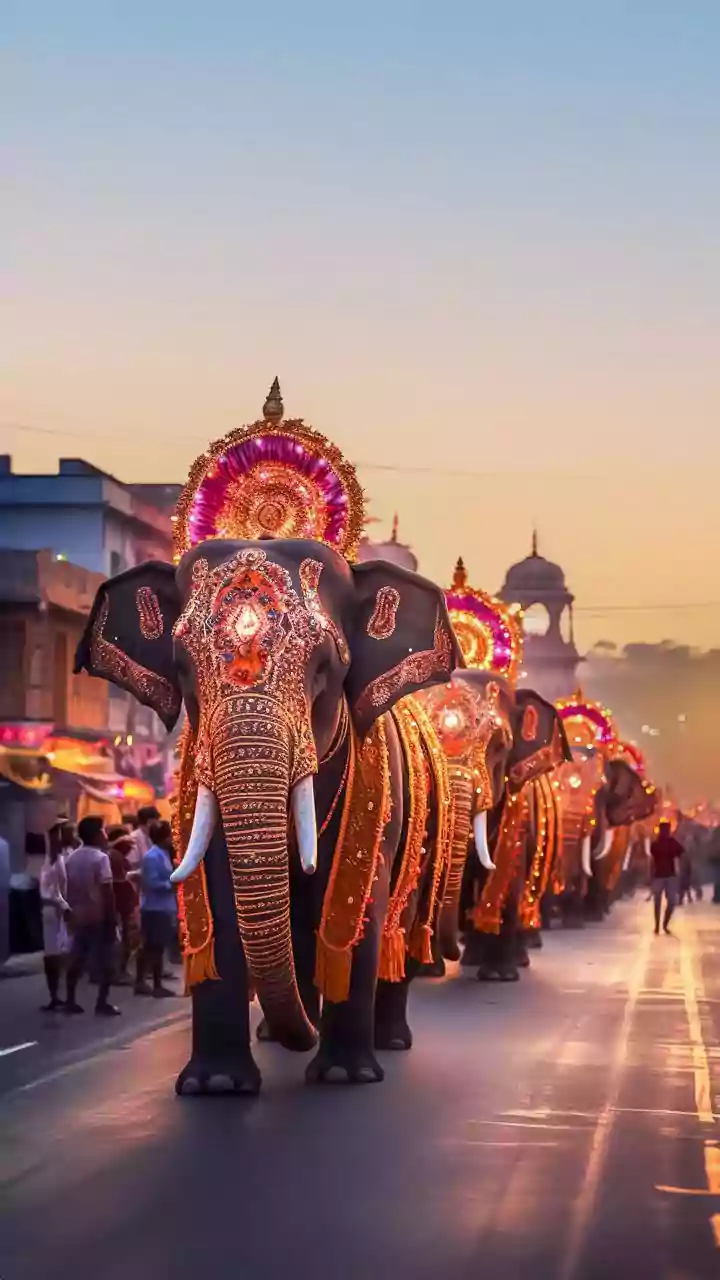
As the 300th anniversary approaches, both government bodies and local communities are gearing up for the milestone. The Rajasthan government has announced plans for year-long festivities to showcase the city's heritage and strengthen its global branding. These efforts include the restoration of heritage structures like the 'Parkota' (heritage wall) and plans for a new museum in the Walled City. At the grassroots level, local traders' associations are launching their own campaigns focused on cleanliness, greenery, and heritage conservation to ensure the city shines for its big moment. These initiatives aim to do more than just celebrate; they are about preserving the city's soul for generations to come.