
An Astronomer's Paradise
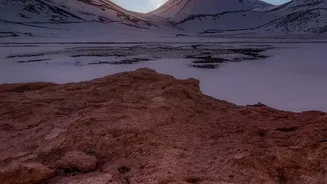
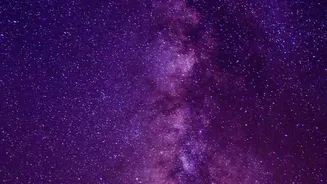
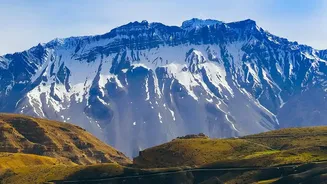
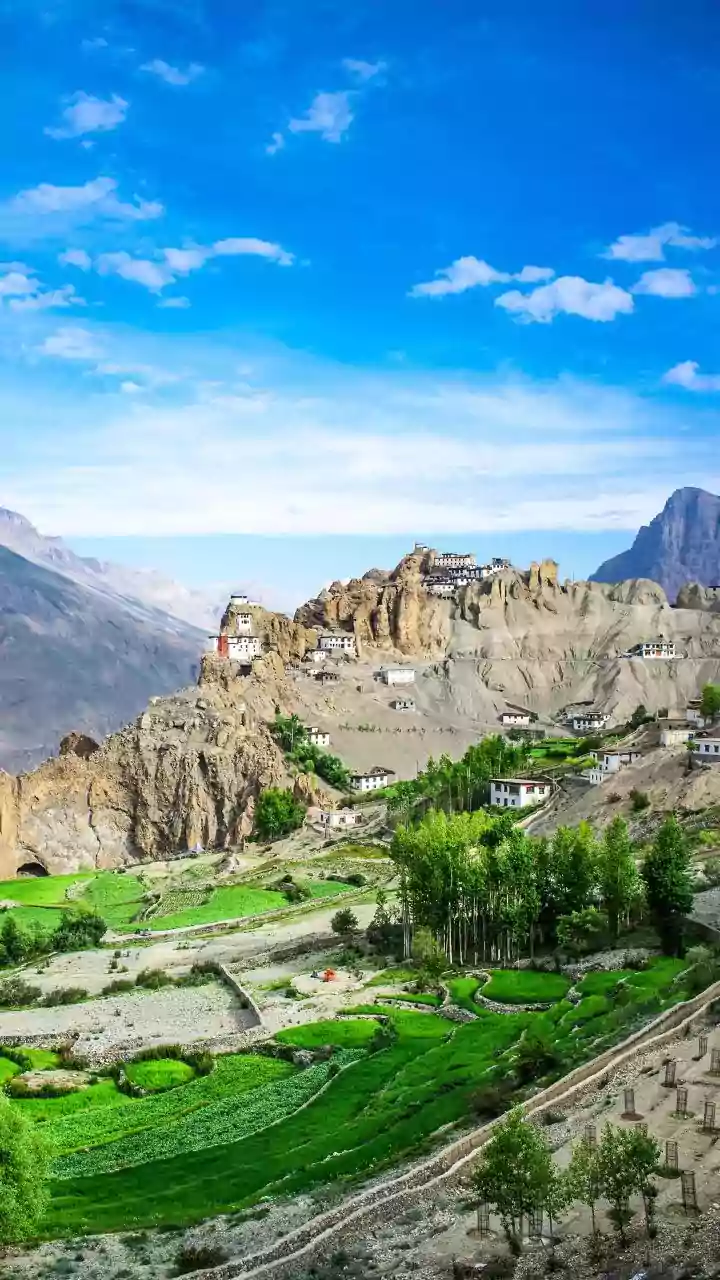
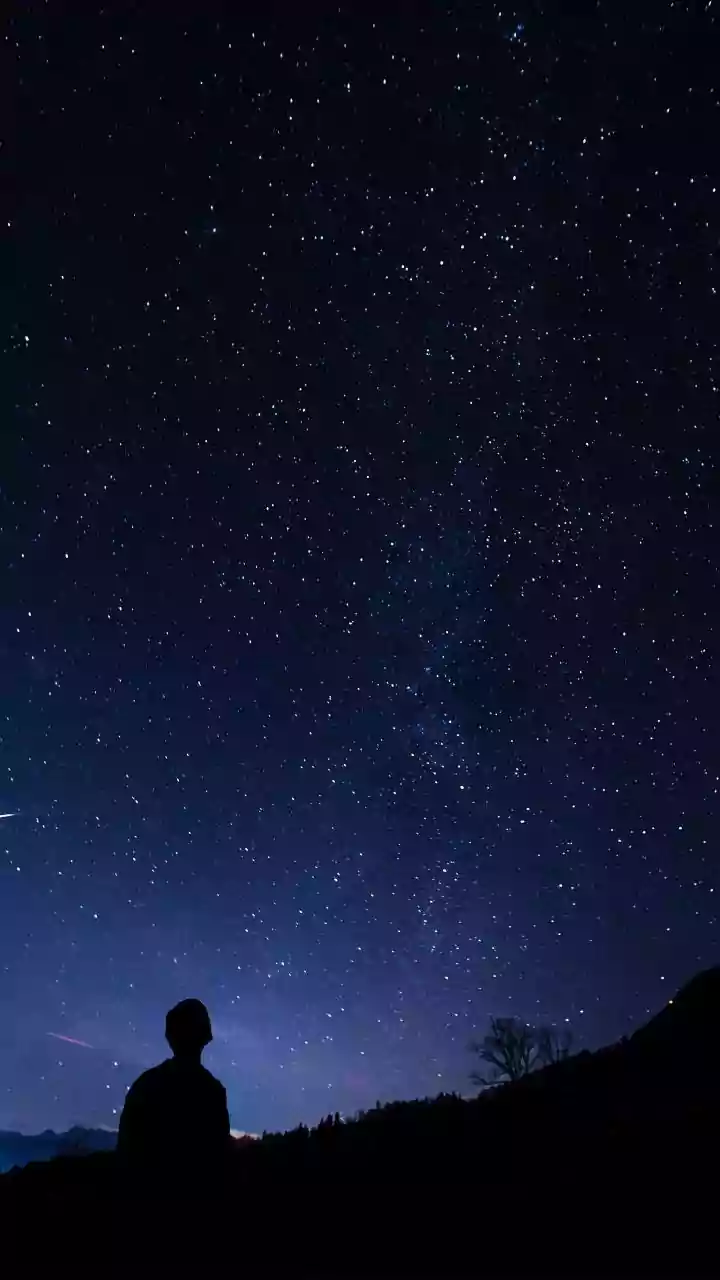
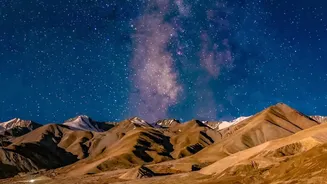
Spiti's reputation as a stargazing haven isn't just hype; it's a result of a rare combination of geographical factors. Located in a rain shadow and at an average altitude of over 12,500 feet, the region offers pristine viewing conditions. The air is bone-dry
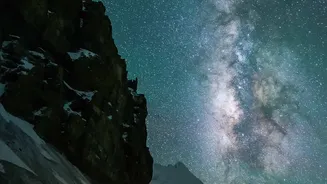
and there's minimal light pollution, placing much of the valley in the Bortle Class 1 category — the darkest possible rating for a night sky. In villages like Langza and Komic, the Milky Way can be so bright that it reportedly casts a soft shadow. This combination of altitude, darkness, and dry, stable air means you are looking through a thinner, clearer slice of the atmosphere, making stars appear sharper and brighter than almost anywhere else on Earth.
The High-Altitude Challenge: Acclimatization is Key
The very altitude that makes Spiti's skies so clear is also its biggest challenge. Ascending too quickly can lead to Acute Mountain Sickness (AMS), with symptoms like headaches, nausea, dizziness, and fatigue. In severe cases, it can be dangerous. The golden rule is to ascend gradually. Experts recommend travelling to Spiti via Shimla rather than Manali, as this route involves a slower increase in elevation. Plan to spend at least one or two nights at a lower altitude, such as in Narkanda (around 8,000 feet) or Kalpa (9,700 feet), before moving on to Kaza (12,500 feet). During your first few days at high altitude, avoid strenuous activity, alcohol, and heavy meals. Stay well-hydrated by drinking three to four litres of water daily and focus on a carbohydrate-rich diet to fuel your body. Listening to your body and allowing it time to adjust is the most critical part of your preparation.
Choosing Your Window to the Cosmos
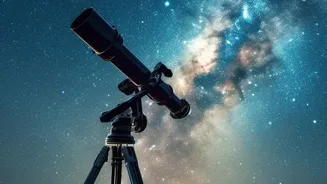
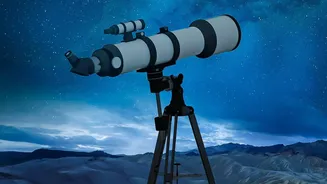
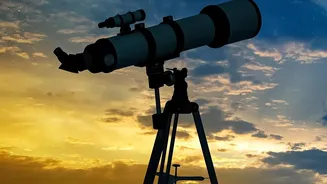
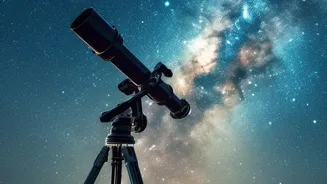
While you don't need expensive equipment to appreciate the view, the right gear can transform your experience. For beginners, a good pair of binoculars (such as 8x40 or 10x50) is an excellent starting point, powerful enough to reveal star clusters and the brighter nebulae. For a more detailed look at planets and galaxies, a portable telescope is a great investment. Dobsonian-style reflector telescopes offer the most aperture for your money and are popular with amateurs. Look for models like a 6-inch or 8-inch Dobsonian, or a compact refractor telescope designed for travel. For astrophotography, a DSLR or mirrorless camera with manual controls, a wide-angle lens (f/2.8 or faster), and a sturdy tripod are essential. A headlamp with a red-light setting is also crucial, as it allows you to see your equipment without ruining your night vision, which can take up to 20 minutes to fully adapt to the dark.
Tips for Capturing the Spiti Night
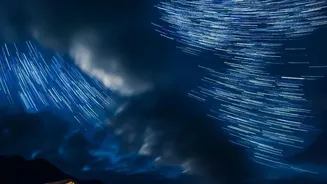
Photographing the Spiti sky is a rewarding challenge. The cold at high altitudes drains batteries quickly, so always carry fully charged spares and keep them warm in an inside jacket pocket. To capture the Milky Way, start with a wide-angle lens, an aperture of f/2.8, an ISO of around 3200, and a shutter speed of 15-20 seconds. The thin, clear air means even a smartphone on a tripod can capture surprisingly good results in night mode. The best spots for astrophotography are away from the main town of Kaza. Villages like Langza, Kibber, and Komic, and the remote Chandratal Lake, offer near-perfect darkness. Remember to plan your trip around the new moon, as a full moon can wash out even the brightest stars.
Planning Your Celestial Itinerary
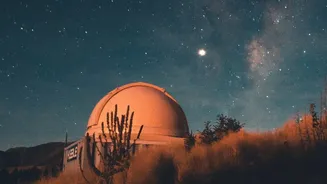
The best season for a Spiti stargazing adventure is generally between May and October, when the roads are open and the weather is more manageable. September is often cited as the ideal month, offering clear, dry skies after the monsoon season has passed, with fewer crowds. While winter (November to March) provides the crispest skies, extreme cold and road closures make it a trip for only the most seasoned travellers. Accommodation options range from hotels in Kaza to homestays in smaller villages, which offer an authentic local experience and easy access to dark skies. Recently, a community-run stargazing facility with powerful telescopes was inaugurated in Kaza, making astronomy more accessible to visitors and creating opportunities for local guides.