


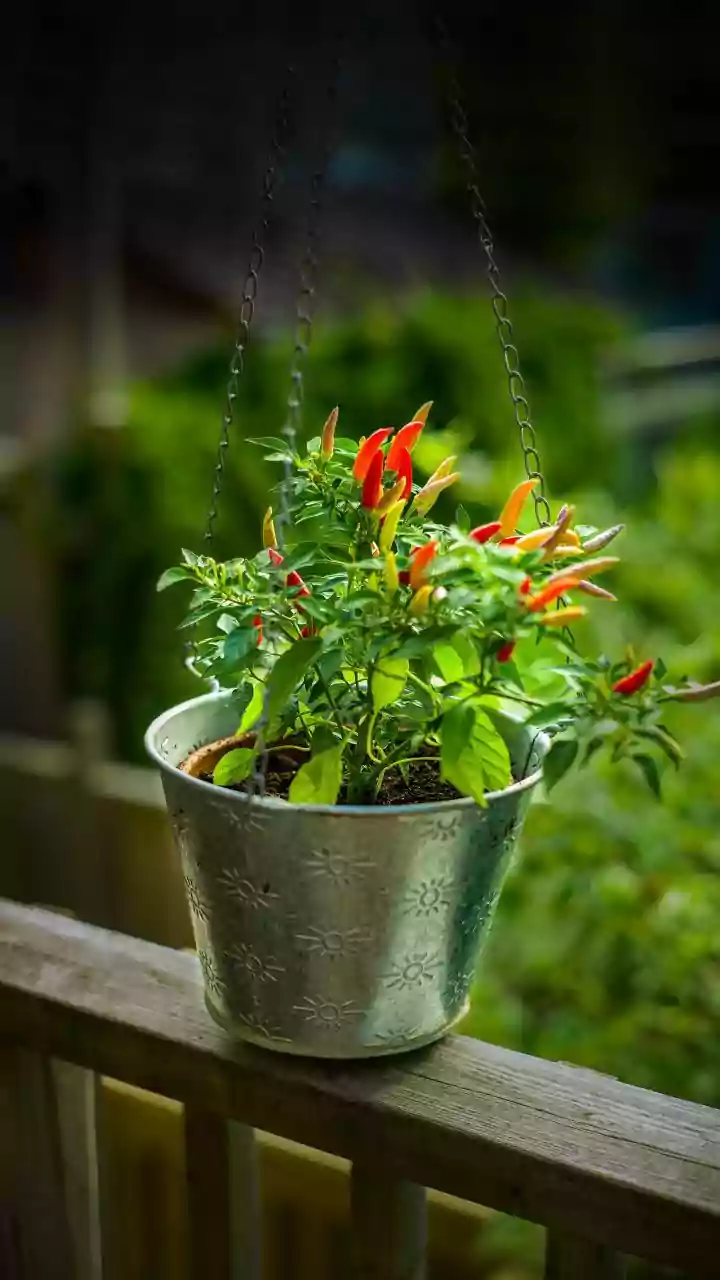





The Balcony-to-Table Revolution
The trend isn’t about massive farms; it’s about the simple, powerful act of urban kitchen gardening. Across India’s metros, from Mumbai’s high-rises to Bengaluru’s bungalows, people are transforming their limited urban spaces—balconies, windowsills, and
rooftops—into miniature food forests. This isn't just about cultivating a few decorative plants. It's a conscious shift towards self-sufficiency and sustainability. At its heart, it is the practice of growing your own vegetables, herbs, and fruits right where you live. Forget long supply chains and preservative-laden produce; this movement is about harvesting your salad greens minutes before you eat them and plucking fresh curry leaves for your tadka right from a pot outside your kitchen.
More Than Just a Pretty View
The most immediate reward of a kitchen garden is the access to fresh, hyper-local, and organic produce. In an age where we are increasingly concerned about pesticides and chemicals on our food, growing your own offers complete transparency. You know exactly what went into your food—sun, water, and care. This directly translates to better nutrition and taste. A homegrown tomato has a depth of flavour that its supermarket counterpart, picked unripe and transported across hundreds of kilometres, simply cannot match. Furthermore, it offers a surprising economic benefit. While the initial setup has a small cost, a well-maintained garden can significantly reduce your monthly grocery bill, especially on expensive items like herbs, exotic greens, and salad vegetables.
A Dose of 'Green' Therapy
Beyond the plate, the benefits of gardening are profound for mental well-being. The simple act of tending to plants—watering, pruning, and watching them grow—is a form of active meditation. It pulls you away from screens and deadlines, grounding you in the natural cycles of life. Studies have shown that interacting with soil and plants can reduce levels of cortisol, the stress hormone. For many urban dwellers, it's a way to combat the anxiety and disconnect of city life. This 'green therapy' provides a sense of purpose and accomplishment. Nurturing a seedling into a fruit-bearing plant offers a tangible reward for patience and effort, a welcome antidote to the often abstract nature of modern work.
An Answer to Urban Waste
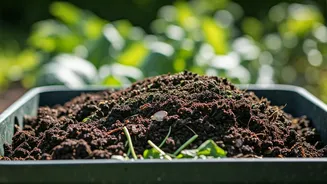
One of the most powerful, yet often overlooked, aspects of kitchen gardening is its role in waste management. Indian cities are grappling with overflowing landfills, a significant portion of which is wet kitchen waste. A home garden provides the perfect incentive to start composting. All your vegetable peels, fruit scraps, and coffee grounds can be turned into 'black gold'—nutrient-rich compost that fuels your garden. This creates a beautiful, closed-loop system in your own home. You reduce the amount of waste you send to the landfill, decrease methane emissions, and create free, high-quality fertiliser for your plants. It’s a small, individual action with a massive collective impact, turning a civic problem into a personal, productive solution.
Getting Your Hands Dirty: A Simple Start
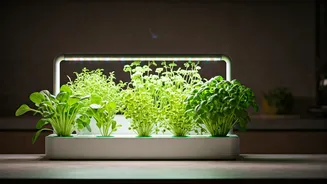
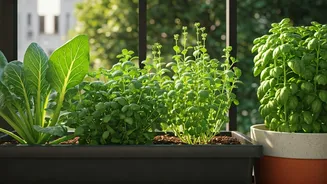
The idea of starting a garden can seem intimidating, but it doesn't have to be. Begin small. You don’t need a sprawling terrace; a sunny windowsill is enough. Start with easy-to-grow plants that are staples in Indian cooking. Herbs like pudina (mint), dhaniya (coriander), and curry leaves are incredibly resilient and thrive in pots. Vegetables like chillies, cherry tomatoes, and spinach are also great for beginners. You can use old paint buckets, plastic containers, or grow bags. The key is to ensure good drainage. With a bit of good soil, regular watering, and at least 4-5 hours of sunlight, you’ll be surprised at how quickly your urban patch comes to life.