





More Than Just Water
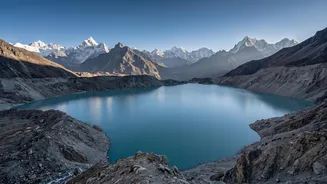
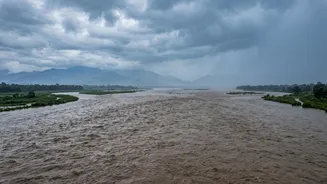
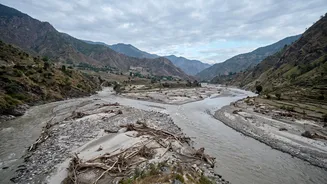
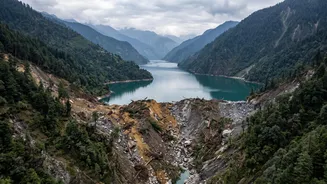
Himalayan floods are rarely just about excess water. Triggered by intense monsoon rains, glacial lake outbursts, or landslides, these events are powerful enough to scour the landscape. They gather immense quantities of sediment, soil, rocks, and vegetation,
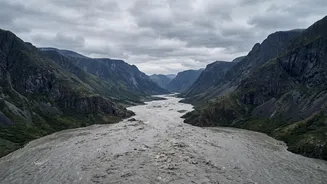
transforming a flood into a thick, fast-moving debris flow. This slurry, sometimes described as being like 'liquid concrete', has far more destructive power than water alone, capable of destroying buildings and bridges that a normal flood might leave standing. When the flow finally slows, it dumps millions of tonnes of this material into the river channels and surrounding floodplains.
A Riverbed on the Rise
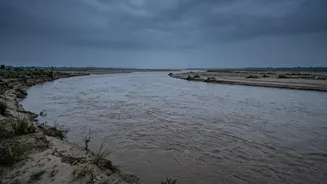
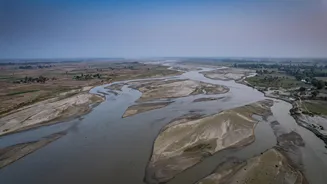
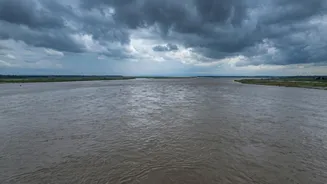
The most critical long-term consequence of this debris is 'riverbed aggradation'—a technical term for the raising of the river's floor. The young, fragile geology of the Himalayas provides a massive supply of sediment. Rivers like the Kosi, which flows from Nepal into Bihar, carry enormous sediment loads, contributing nearly 25% of the Ganges' total sediment despite making up a small part of its basin. After a major flood, these deposits can raise the riverbed by several metres. This drastically reduces the channel's capacity to hold water. A river that could once contain a heavy monsoon flow now sits much higher in its valley, with less room to spare before it spills its banks.
Setting the Stage for the Next Disaster
A debris-choked river becomes a loaded weapon, primed for the next major rainfall. With its capacity diminished, even a moderate monsoon downpour can trigger a significant flood. The newly deposited sediment doesn't just sit there; it remains unstable. The next surge of water can easily remobilize it, bulking up a minor flood into another destructive debris flow. This creates a dangerous feedback loop where one flood deposits the materials that amplify the next one. Furthermore, the raised riverbed makes it easier for the river to abandon its channel entirely during a high-flow event, carving a new path through previously safe farmland and villages—a process known as avulsion.
The Impact on India
This is not just Nepal's problem. Many of the major rivers that originate in the high Himalayas, such as the Kosi and Gandak, are transboundary, flowing down into the plains of northern India. The sediment generated upstream is eventually transported and deposited downstream. The heavy silt load from Nepal's rivers contributes to flooding and river course changes in states like Bihar, which has long battled the Kosi, often called the 'Sorrow of Bihar'. Therefore, debris management and river health in Nepal are directly linked to flood risk for millions of people in India. Poorly managed debris upstream inevitably creates greater risk for downstream communities.
The Challenge of Mitigation
Addressing the debris problem is a monumental challenge. The sheer volume of material left by events like the 2021 Melamchi flood is staggering. Experts point out that simply dumping the debris on riverbanks can worsen the problem by reducing the floodplain's natural ability to absorb excess water. Some countries have pioneered methods for 'circular reconstruction', where rubble is sorted and recycled into construction materials. However, in remote, steep terrain, the logistics and cost of such operations are immense. For now, the focus often remains on early warning systems and strengthening river embankments, but these are defensive measures against a problem that continues to build with every monsoon.