


More Than Just a Condiment
For generations, Indian households have revered pickles, or achar, not just for their ability to electrify a simple meal of dal and rice, but for their inherent goodness. Grandmothers have long sworn by a small serving to aid digestion, a piece of wisdom
now being validated by modern science. The secret lies not in some hidden magic, but in the ancient, time-tested process of fermentation and the careful selection of spices—a combination that turns humble fruits and vegetables into powerful, gut-friendly allies.
The Science of Fermentation
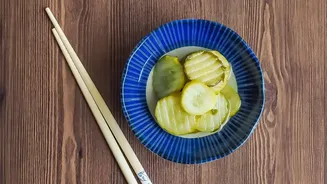
The true hero behind the digestive benefits of traditional Indian pickles is lacto-fermentation. Unlike pickles made with vinegar, this natural process involves submerging vegetables in a salt brine, which encourages the growth of beneficial bacteria like Lactobacillus. These are the same 'good bacteria' or probiotics found in yogurt. These microorganisms get to work breaking down sugars in the vegetables, creating lactic acid. This process not only preserves the pickle but also populates it with live cultures that support a healthy gut microbiome, which is essential for proper digestion, nutrient absorption, and a strong immune system. Furthermore, the fermentation process can make nutrients in the food more bioavailable, meaning your body can absorb and use them more easily.
The Role of Heritage Spices
Indian pickles are as much about the spices as they are about the main ingredient. These are not added just for flavour; they are functional. Spices like turmeric, mustard seeds, fenugreek (methi), and asafoetida (hing) have been used in Ayurveda for centuries to support digestion. Fenugreek and fennel seeds are known to relieve bloating, while asafoetida is famous for reducing gas. Turmeric is a powerful anti-inflammatory agent. Together, these spices stimulate the secretion of digestive enzymes, preparing your system to break down food more efficiently.
A Tour of Digestive-Friendly Pickles
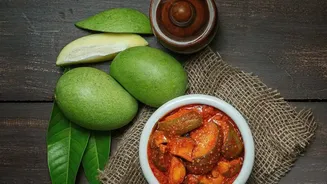
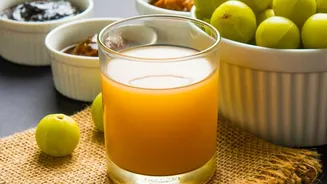
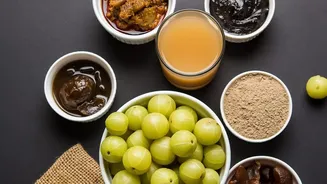
Different regional pickles offer unique benefits. A classic Lemon Pickle (Nimbu ka Achar), especially when fermented, is rich in enzymes and Vitamin C, which can boost immunity. Amla (Indian Gooseberry) Pickle is another Vitamin C powerhouse, packed with fibre that aids digestion. Traditional Mango Pickles (Aam ka Achar), when fermented naturally without excess vinegar, can be a source of probiotics. Even a simple Green Chilli Pickle, prepared by salt-curing, can stimulate digestion. The key is to look for pickles that are naturally fermented and sun-cured, as these methods foster the growth of beneficial microbes.
How to Incorporate Pickles Mindfully
While beneficial, pickles should be consumed in moderation due to their high salt and oil content. A teaspoon-sized serving with a meal is generally sufficient to reap the digestive benefits without overdoing the sodium. Pair your pickle with simple meals like dal-chawal, khichdi, or curd rice. The probiotics in the pickle and the curd create a synbiotic effect, further nourishing your gut. It's crucial to distinguish between traditionally fermented pickles and mass-produced commercial varieties, which often use vinegar and pasteurisation, a heat process that kills the beneficial live cultures. For true digestive benefits, choose homemade or artisanal pickles that specify they are 'naturally fermented'.