


The Magic of Hot Air Frying
An air fryer isn't some magical device; it's a compact convection oven that uses a fan to circulate hot air at high speed. This process, known as the Maillard reaction, creates a crispy, golden-brown exterior on food with minimal oil. While traditional
deep-frying involves submerging snacks in hot oil, an air fryer requires just a light brush or spray, using a fraction of the fat. Studies and appliance makers suggest this method can reduce the fat and calorie content by 70-80% compared to deep-frying because the food doesn't absorb large quantities of oil. This makes it an excellent tool for anyone wanting to enjoy their favourite treats more healthily.
Golden Rules for Air-Frying Success
Before you start converting your favourite recipes, a few universal tips will ensure the best results. First, always preheat your air fryer for a few minutes; Indian snacks need that initial blast of high heat to get crispy. Second, don't overcrowd the basket. Food needs space for the hot air to circulate and cook it evenly. Work in batches if you must. Third, a little oil goes a long way. Brushing or spraying snacks with a thin layer of oil is key to achieving that familiar golden-brown finish and satisfying crunch. Finally, remember to flip your snacks halfway through the cooking time to ensure they are evenly crisped on all sides.
Recreating the Samosa, Healthier
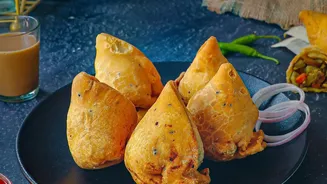
The samosa is perhaps the undisputed king of street snacks, and it adapts beautifully to the air fryer. Whether you're using homemade or store-bought frozen samosas, the process is simple. Arrange them in a single layer in your preheated air fryer. Temperatures and times vary by machine, but a good starting point is to cook them at 180°C for about 12-15 minutes, flipping them halfway through. For an extra-crispy finish, you can increase the temperature to 200°C for the last couple of minutes. The result is a perfectly cooked, flaky samosa without the greasiness of its deep-fried counterpart.
Perfecting Pakoras and Other Fritters
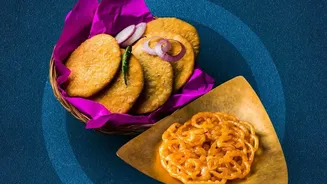
Pakoras, with their wet batter, can seem tricky, but they are entirely doable. The secret is to make the batter slightly thicker than you would for deep-frying, so it coats the vegetables without dripping excessively. You can mix sliced onions, potatoes, or spinach with besan and spices, adding just enough water to bind everything. Some recipes also suggest adding a bit of rice flour for extra crispness. To prevent sticking, you can use parchment paper liners or shape the mixture into small, flat clusters. Air fry at around 180°C for 10 minutes, then flip and cook for another 6-8 minutes until golden and crisp. This technique also works well for aloo tikki and other vegetable cutlets.
Air-Frying Vadas: The No-Mess Method
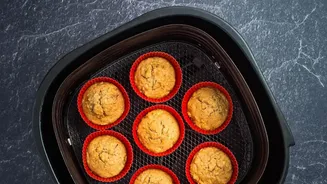
Making medu vada in an air fryer requires a clever workaround for the typically loose batter. The most effective method involves using silicone moulds, like cupcake or idli moulds. Simply brush the moulds with oil, spoon in the vada batter, and place them in the preheated air fryer. Cook at 180°C for about 8-10 minutes, then carefully flip the vadas out of the moulds, brush with a little more oil, and cook for another 8-12 minutes until they are brown and cooked through. This method gives you the beloved taste and texture of vadas without the fuss and oil of deep-frying.