


The Base Gravy Goldmine
The foundation of countless Indian dishes is the humble onion-tomato masala. The most transformative meal prep hack involves making a large batch of this 'base gravy' over the weekend. Sauté a big batch of onions, ginger-garlic paste, and tomatoes (or
purée) with your essential spices like turmeric, red chilli, and coriander powder. Cook it down until the oil separates. Once cooled, you can store it in the fridge for up to five days or freeze it in smaller, portion-sized containers. During the week, all you need to do is heat the gravy, add your vegetables, paneer, or legumes, and your sabzi or curry is ready in under 15 minutes. It’s a game-changer for quick, flavourful weeknight meals.
Master Your Masalas and Pastes
Fumbling for spice jars while the oil is getting too hot is a familiar kitchen nightmare. The viral solution is simple but brilliant: create a dedicated 'tadka box' or masala dabba with small containers of your most-used whole and ground spices—mustard seeds, cumin seeds, turmeric, chilli powder, and asafoetida (hing). This keeps everything within arm's reach for quick tempering. Take it a step further by batch-prepping your wet ingredients. Make a week's worth of ginger-garlic paste and store it in an airtight jar in the fridge. You can even create a green chilli paste or a coriander-mint chutney. These small steps eliminate daily peeling and grinding, saving precious minutes with every meal.
The Chop Shop Method
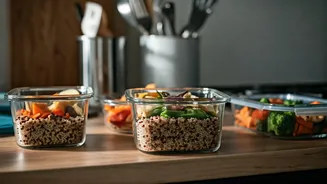
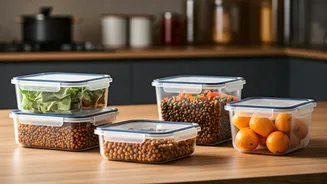
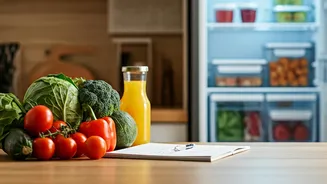
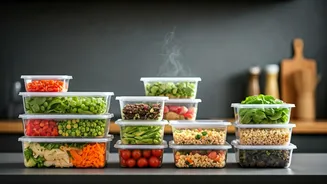
The single most time-consuming part of daily cooking is often the chopping. Dedicate an hour on Sunday to being your own personal sous-chef. Wash, peel, and chop hardy vegetables like carrots, bell peppers, beans, and cabbage. Store them in separate airtight containers lined with a paper towel to absorb excess moisture. This keeps them fresh and ready to be tossed into a stir-fry, pulao, or sabzi. For vegetables that discolour, like potatoes or brinjal, it's best to chop them fresh. But having half of your ingredients ready-to-go makes assembling a meal feel less like a chore and more like a simple act of assembly.
Power Up with Pulses
Dal is a daily staple, but the soaking and cooking time can be a drag. Supercharge your routine by boiling your dals and legumes in bulk. On Sunday, pressure-cook a large batch of toor, moong, or masoor dal until soft. You can also boil chickpeas (chana) or kidney beans (rajma) after soaking them overnight. Once cooled, portion the cooked pulses into containers and refrigerate or freeze them. When you need to make dal, simply prepare a fresh tadka and add the pre-cooked lentils. For chana masala or rajma, your main ingredient is already tender and waiting, cutting your cooking time by more than half.
Dough Made Easy
There’s nothing like a fresh, hot roti, but kneading dough daily can feel tedious. You can easily prep your chapati or roti dough in advance. Knead a batch large enough for 2-3 days, coat it lightly with oil or ghee to prevent a dry crust from forming, and store it in an airtight container in the refrigerator. The key is to let it come to room temperature for about 15-20 minutes before you start rolling. This small step ensures your rotis are just as soft and pliable as those made from freshly kneaded dough. It’s the secret to having fresh flatbreads on the table in minutes, even on the busiest of Tuesdays.
Freeze for a Breeze
Your freezer is your best friend for meal prep. Beyond storing base gravies and boiled dals, you can use it for so much more. Green peas can be blanched and frozen to be used all year. You can freeze chopped spinach for palak paneer or store leftover coconut milk in an ice cube tray for curries. Some people even make and freeze uncooked parathas (separated by parchment paper) or uncooked kebabs and tikkis. When you’re short on time, all you have to do is pan-fry or bake them from frozen. It’s like having a stash of healthy, homemade ready-to-eat meals at your fingertips.