







A Ritual Set in Rain
It’s a scene replayed in millions of homes, streetside stalls, and office canteens. The sound of sputtering oil becomes the season’s anthem, a culinary response to the meteorological drumbeat outside. The monsoon in India is not just a weather phenomenon;
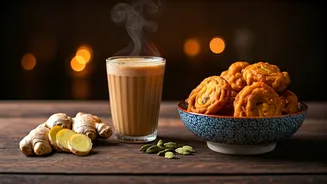
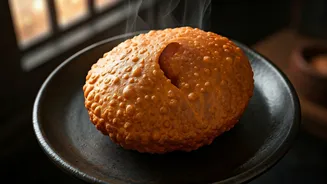
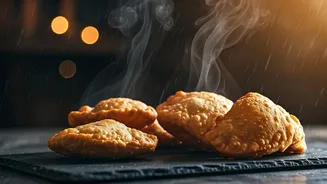
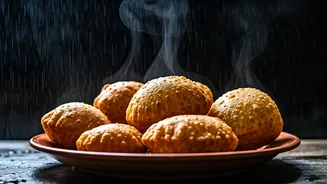
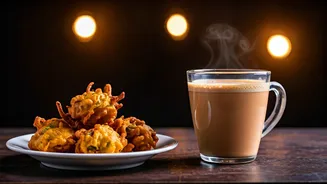
it’s a cultural event, and its arrival dictates a shift in our appetites. The desire for crispy, deep-fried pakoras, steaming samosas, and a hot cup of adrak wali chai is less a conscious decision and more a deep-seated, generational instinct. It's a tradition that binds us, a shared experience that transcends age, region, and social strata. This craving isn't just about hunger; it’s about participating in a comforting ritual, a way of welcoming and celebrating the rain that brings relief from the scorching summer heat.
The Undisputed King: The Pakora
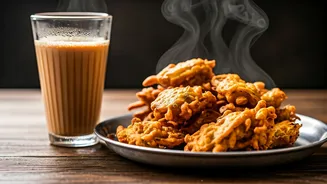
While many snacks vie for attention, the undisputed king of monsoon treats is the pakora. Whether it’s the thinly sliced onion bhaji, the soft potato pakora, or the leafy spinach version, this humble fritter is the star of the show. Its magic lies in the contrast it offers: a piping hot, crunchy exterior giving way to a soft, savoury interior. This textural delight is the perfect counterpoint to the cool, damp weather. Each bite is a burst of warmth and flavour, often enhanced by a tangy mint-coriander chutney or a sweet tamarind sauce. Paired with a steaming cup of masala chai, the combination is nothing short of bliss. It’s a simple pleasure, yet it provides a profound sense of comfort and contentment that few other foods can match during a downpour.
The Psychology of Comfort
So, why this specific craving? The answer lies in a blend of psychology and physiology. Gloomy, overcast weather can lead to a slight dip in serotonin levels, the neurotransmitter responsible for mood regulation. Carbohydrate-rich and fatty foods, like pakoras and samosas, can help boost serotonin production, providing a temporary feeling of well-being and happiness. This is the science behind ‘comfort food’. Furthermore, our bodies naturally seek warmth when the ambient temperature drops. Consuming hot food helps regulate our internal body temperature, making us feel cosier and more secure. The act of eating these foods is often communal, shared with family and friends while watching the rain, which reinforces the positive association through social bonding and nostalgia.
Beyond the Frying Pan
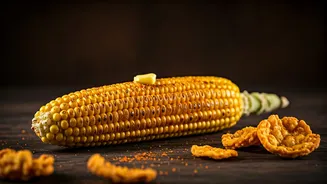
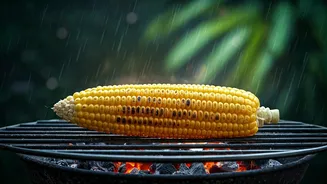
While fried snacks dominate the monsoon foodscape, the craving for comfort extends to other delights as well. The sight of a street vendor roasting bhutta (corn on the cob) over hot coals, rubbing it with salt, chilli, and a squeeze of lime, is another iconic monsoon image. The smoky aroma and tangy taste are inextricably linked with the rainy season. For a more wholesome meal, many turn to khichdi. This simple, one-pot dish of rice and lentils is considered nourishing, easy to digest, and incredibly comforting, especially on a day when the rain keeps you indoors. It’s often served with a dollop of ghee and a side of yogurt or pickle, making it a complete, soul-soothing meal that perfectly complements the lazy, introspective mood of a rainy day.