







Start Slow and Ease Back In
Your body has likely deconditioned after a few weeks or months of reduced activity during the monsoon. Muscles lose endurance and joints can stiffen. The biggest mistake you can make is trying to pick up exactly where you left off. This can lead to common
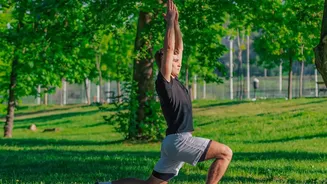
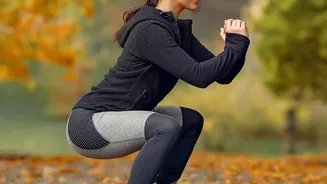
injuries like muscle strains, sprains, and tendonitis. A widely recommended guideline is to start at about 50-60% of your previous intensity and duration. Focus on total-body workouts that engage multiple muscle groups without overloading one specific area. Think brisk walking before jogging, or bodyweight exercises like squats and lunges before adding heavy weights. Spending 10-15 minutes on a proper warm-up with stretching is crucial to prepare cold muscles and reduce injury risk.
Beware of Post-Monsoon Hazards
The post-monsoon environment presents unique challenges. Roads and park pathways can be slippery, uneven, or still waterlogged in patches. This increases the risk of slips and falls, which can cause sprained ankles or other acute injuries. Be mindful of your surroundings, choose safe locations, and consider wearing footwear with a good grip to navigate wet surfaces. Another factor to consider is air quality, which can be poor in many Indian cities after the rains. On days with high pollution, short-term effects can include coughing and irritation, while long-term exposure carries more significant health risks. It may be wise to check the local Air Quality Index (AQI) and opt for indoor workouts when levels are unhealthy.
Protect Against Mosquitoes and Infections
Stagnant water left behind by the monsoon creates ideal breeding grounds for mosquitoes, leading to a seasonal spike in vector-borne diseases like dengue and malaria. When exercising outdoors, especially during dawn and dusk when mosquitoes are most active, take preventive measures. Wearing full-sleeved, light-coloured clothing can offer a physical barrier. Additionally, using a good quality insect repellent is a sensible precaution. The humid and damp conditions are also conducive for fungal and bacterial growth. Maintaining personal hygiene is key. Showering soon after your workout, changing out of damp clothes immediately, and ensuring your shoes are completely dry before the next use can help prevent skin infections.
Hydrate, Even When It Feels Cooler
Don't let the cooler post-monsoon temperatures trick you into neglecting hydration. Humidity is often still high, which impairs your body's ability to cool itself through sweating. As sweat doesn't evaporate as quickly from your skin, your core body temperature can rise, putting extra strain on your cardiovascular system. This can make your workout feel harder and increase the risk of dehydration and heat exhaustion. It is essential to drink water before, during, and after your exercise session, even if you don't feel particularly thirsty. For longer or more intense workouts, consider an electrolyte drink to replenish what you lose through sweat.
Listen to Your Body's Signals
Perhaps the most important rule is to pay attention to what your body is telling you. After a break, it’s normal to feel some muscle soreness. However, you should not ignore sharp, persistent, or localised joint pain. Pushing through pain is a common mistake that can turn a minor issue into a chronic one. If you feel dizzy, nauseous, or excessively fatigued, it's a sign to slow down or stop. Rest is just as important as activity for recovery and building strength. Don't get discouraged if your performance isn't what it used to be. Focus on consistency and gradual progress, and you will safely and effectively rebuild your fitness while enjoying the pleasant outdoor weather.