



What is Colour-Blocking?
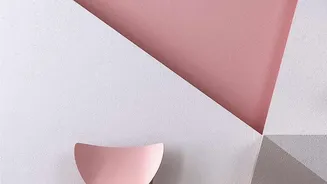
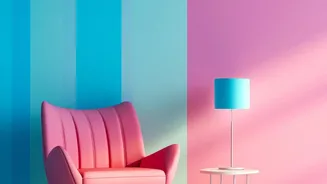
At its heart, colour-blocking is the use of two or more distinct, solid blocks of colour placed next to each other. Originating in modern art and high fashion, this technique has become a staple of interior design for its ability to create drama and definition.
Instead of relying on intricate patterns, colour-blocking uses the power of pure colour to do the talking. Think of it as creating geometric shapes and planes of interest directly on your walls. With wallpaper, this can manifest as a design that splits the wall horizontally, features bold vertical stripes, or uses large-scale graphic prints. The goal is to create a striking visual statement that feels both intentional and effortlessly chic.
The Magic of 'Visual Structure'
The true strength of colour-blocking lies in its ability to give a room 'visual structure'. In a plain, boxy room, colour-blocked wallpaper can create architectural interest where none exists. For instance, a wallpaper with a horizontal divide can act as a modern alternative to a traditional dado rail, grounding the space. Vertical stripes or blocks can draw the eye upward, creating the illusion of higher ceilings. In open-plan homes, this technique is invaluable for zoning different areas; a block of colour can visually separate a dining nook from a living area or define a workspace. It guides the eye, creates focal points, and turns a simple wall into a dynamic feature that organizes the entire room.
Choosing Your Perfect Palette
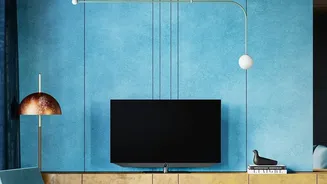
Selecting the right colours is key to a successful design. Your choice will determine the mood of the room. For a bold, energetic feel, opt for high-contrast complementary colours—those opposite each other on the colour wheel, like blue and orange. For a calmer, more serene atmosphere, consider a tonal palette, using different shades of the same colour family, like a deep navy with a soft sky blue. A good rule of thumb is the 60-30-10 principle: 60% of the room should be a dominant colour, 30% a secondary colour, and 10% an accent. When choosing, always consider existing elements like flooring, furniture, and the amount of natural light the room receives. Rooms with less light benefit from lighter, cooler colours to feel more spacious.
Smart Placement Strategies
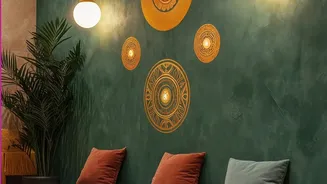
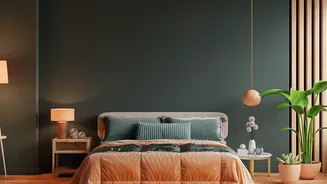
Where you place your colour-blocked wallpaper is just as important as the design itself. An accent wall behind a sofa or bed is a classic choice that creates a powerful focal point without overwhelming the space. In a hallway or entryway, bold stripes can add personality to a functional area. You can get creative by using wallpaper to create a 'faux' headboard in a bedroom, adding a defined and stylish backdrop for your bed. Highlighting architectural features like alcoves, niches, or chimney breasts with a block of colour or pattern is another effective strategy. You can even use it on a ceiling to add an unexpected element of surprise and make a room feel cosier.
Tips for a Flawless Finish
While many modern wallpapers are DIY-friendly, preparation is crucial for a professional look. Ensure your wall surface is clean, smooth, and, if necessary, primed. Carefully measure your walls and the wallpaper pattern repeat to minimize waste and ensure the blocks align perfectly. When applying, work slowly to smooth out any air bubbles as you go. If you’re new to wallpapering, starting with a smaller, simpler project like an accent wall or an alcove can be a great way to build confidence. For large, complex patterns or entire rooms, hiring a professional installer can be a worthwhile investment to guarantee a perfect finish.