





As the temperatures drop, we instinctively seal our homes to keep the cold out and the warmth in. But this cosy impulse has a downside: it can trap a host of invisible pollutants, allowing them to accumulate to harmful levels.
The Pollutants Trapped Indoors
When windows and doors stay
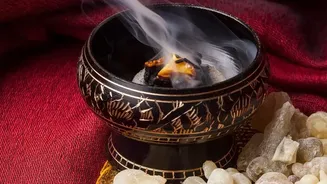
shut, your home's air isn't just getting stale; it's getting dirty. Two main culprits are household dust and combustion particles. Household dust is a complex mix of skin flakes, fibres, soil tracked in from outside, food debris, and even microscopic mite droppings. Combustion particles are generated by any activity that involves burning, a common feature of many Indian households. This includes gas stoves used for cooking, burning candles or incense, and the use of certain types of heaters. These particles, especially fine particulate matter (PM2.5), are so small they can linger in the air for long periods and be inhaled deep into the lungs. In many Indian cities, high levels of outdoor pollution from traffic, industry, and seasonal crop burning also seep indoors, adding to the toxic mix.
Why Poor Ventilation Is a Winter Problem
During other seasons, open windows and doors allow for natural air exchange, flushing out pollutants. In winter, we eliminate this natural ventilation to conserve heat. This creates a sealed environment where concentrations of indoor pollutants can become two to five times higher than outdoor levels. Everyday activities release a steady stream of these contaminants. Cooking a single meal on a gas stove, for example, can produce significant levels of nitrogen dioxide and particulate matter. Without anywhere to go, these pollutants build up. This issue is compounded by temperature inversion, a common winter phenomenon where a layer of warm air traps colder, denser air (and its pollutants) near the ground, preventing them from dispersing. This effect worsens both outdoor and, consequently, indoor air quality.
The Hidden Health Risks
The accumulation of these particles is more than just an issue of cleanliness; it's a significant health concern. Poor indoor air quality can trigger or worsen a range of conditions. Short-term effects include irritation of the eyes, nose, and throat, as well as headaches, dizziness, and fatigue. For those with asthma or allergies, the increased concentration of dust, pet dander, and mould spores can lead to more frequent and severe attacks. Long-term exposure to fine combustion particles is even more serious, as they can penetrate deep into the lungs and enter the bloodstream, increasing the risk of respiratory infections, heart disease, and other chronic conditions. Studies in Indian cities have shown that indoor bacterial and fungal levels can be many times higher than recommended safety limits during winter, posing a threat to everyone, especially children and the elderly.
How to Breathe Easier This Winter
Improving your home's air quality doesn't mean you have to shiver through the season. Strategic ventilation and smart habits can make a huge difference. Use exhaust fans in kitchens while cooking and in bathrooms during and after showers to vent pollutants and moisture outside. Even opening windows for just 10–15 minutes a day, perhaps during the sunniest part of the day, can effectively exchange stale indoor air for fresher outdoor air without significant heat loss. Regular cleaning is also crucial; vacuuming with a HEPA filter and frequently washing bedding and curtains helps control dust mites and allergens. Consider investing in a quality air purifier with a HEPA filter, which is designed to capture tiny airborne particles, including PM2.5, viruses, and bacteria. Finally, limit sources of indoor pollution where possible by opting for low–VOC cleaning products and avoiding the indoor burning of incense or candles.