




The Myth of Indoor Safety
It's a common misconception that being inside automatically protects pets from overheating. However, rooms with poor ventilation, sun-facing windows, and high humidity can quickly become dangerously hot. A power outage that disables fans or air conditioning
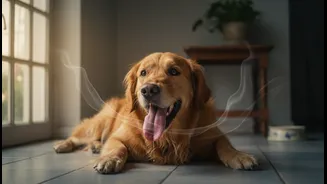
can turn a safe haven into a trap. Unlike humans, dogs and cats primarily cool themselves by panting, a process that is far less effective in hot, humid air. This is why proactive cooling strategies are just as important indoors as they are outdoors, especially as recent heatwaves see vets treating pets who have overheated simply by being at home.
Recognising the Danger Signs
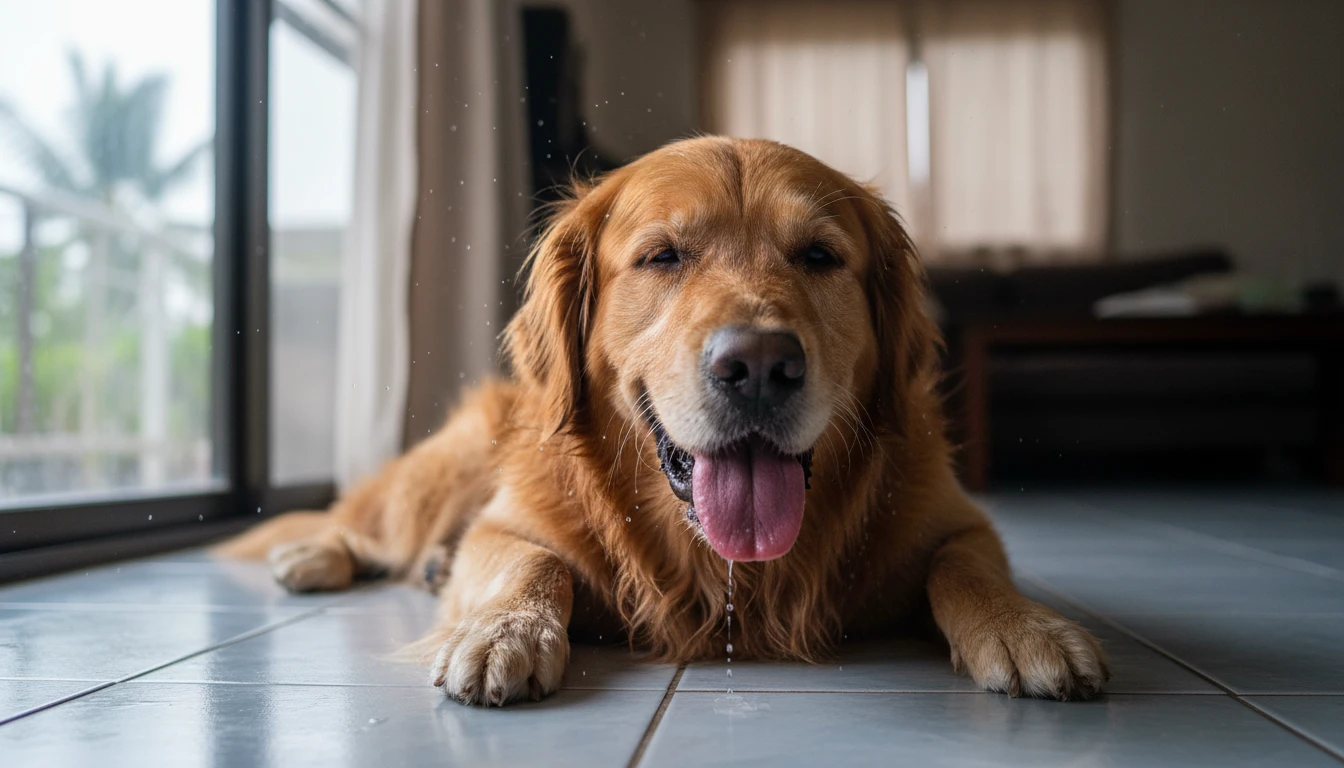
Heatstroke can escalate from mild to life-threatening in minutes. Early recognition is critical. Initial signs in both dogs and cats include excessive panting, restlessness, and thick, ropey drool. You might notice their gums becoming bright red. As the condition worsens, your pet may become lethargic, weak, confused, or unsteady on their feet. In severe stages, this can progress to vomiting, diarrhoea, collapse, or seizures. For cats, any open-mouth panting is a serious red flag and warrants immediate attention.
Which Pets Are Most at Risk?
While any pet can suffer from heatstroke, some are significantly more vulnerable. Brachycephalic, or flat-faced, breeds like Pugs, Bulldogs, and Persian cats have difficulty panting effectively and are at a much higher risk. Pets that are very young, elderly, or overweight also struggle to regulate their body temperature. Those with thick, dark coats or pre-existing health conditions, especially heart or respiratory problems, are also more susceptible to overheating. Knowing your pet's individual risk factors is the first step toward preventing a tragedy.
Your Indoor Cooling Plan
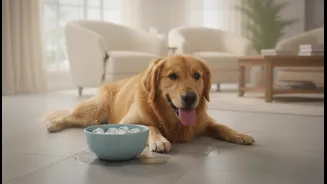
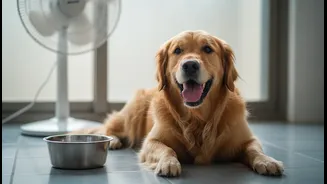
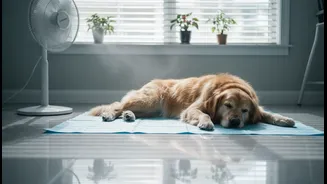
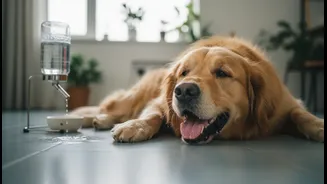
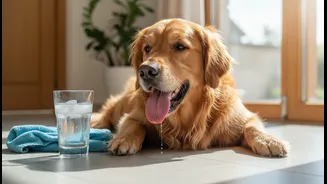
Simple adjustments to your home environment can make a world of difference. Ensure constant access to fresh, cool water by placing multiple bowls around the house. Using fans to circulate air is crucial, especially in rooms without air conditioning. During the hottest parts of the day, draw the curtains to block direct sunlight. Provide access to cool flooring like tile or linoleum, as many pets will naturally seek these surfaces out. Cooling mats filled with a special gel can also offer significant relief by absorbing your pet's body heat. For an easy treat, you can offer frozen snacks or add ice cubes to their water bowl.
Emergency First Aid: What to Do
If you suspect your pet has heatstroke, you must act immediately. The primary rule is to "cool first, transport second." Move your pet to a cooler, shaded, or air-conditioned space immediately. Begin cooling them by pouring cool—not ice-cold—water over their body, focusing on the head, paws, and belly. Using a fan to blow air over their damp fur will speed up the evaporative cooling process. Do not use ice or ice-cold water, as this can cause blood vessels to constrict, trapping heat and potentially leading to shock. Offer small sips of cool water, but do not force them to drink. While you are taking these steps, have someone call your veterinarian. Even if your pet seems to improve, they need to be professionally examined, as heatstroke can cause internal organ damage that isn't immediately visible.