





The Perfect Business Recipe
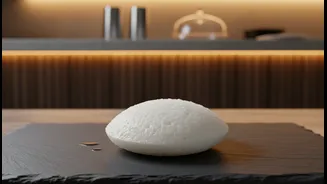
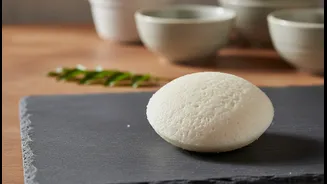
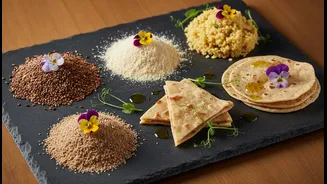
What makes a simple, steamed rice cake the next big thing for entrepreneurs? The answer lies in its unbeatable economics. The core ingredients—rice and urad dal—are relatively inexpensive and widely available. When prepared in bulk, the cost per idli
is remarkably low, while the demand remains consistently high across all demographics. This creates a powerful combination of low investment and high potential for profit. Industry estimates suggest that well-run idli businesses can achieve profit margins of 30% to 50%, a figure that is highly attractive in the competitive food and beverage sector. This low-cost, high-volume model means entrepreneurs can start small—with a street stall or home kitchen—and scale up rapidly.
From Morning Staple to All-Day Snack
A key driver of the idli's commercial renaissance is its repositioning. Traditionally viewed as a breakfast item, innovative brands are successfully marketing idli as a light, healthy, and convenient snack available throughout the day. This shift dramatically expands the market, catering to office workers looking for a quick lunch, students needing an evening bite, and health-conscious consumers seeking a guilt-free option. As lifestyles get busier and diners seek nutritious, on-the-go meals, the idli fits the bill perfectly. It’s gluten-free, fermented (which aids digestion), and steamed, not fried, ticking all the right boxes for the modern consumer.
Innovation in a Steamed Cake
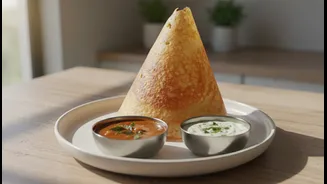
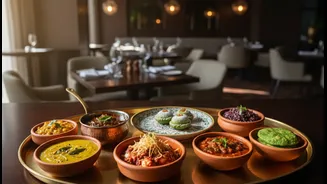
Today’s idli is no longer just a plain white disc served with sambar and chutney. The new wave of idli-centric businesses is built on innovation. Menus now feature everything from mini idlis tossed in spicy podi (gunpowder) to stuffed idlis with vegetable or paneer fillings. Some creative eateries are even offering fusion concepts like idli chaat, peri-peri idli fries, and idli burgers, where the rice cakes replace bread buns. These novel preparations not only create new flavour experiences but are also highly shareable on social media, generating organic marketing and attracting a younger, more adventurous clientele. This constant reinvention keeps the category fresh and exciting.
The Quick Service Restaurant (QSR) Model
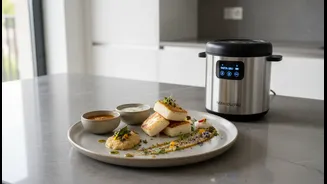
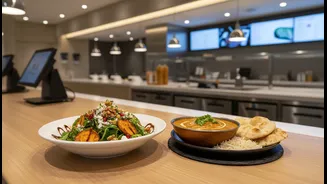
The idli is perfectly suited for the Quick Service Restaurant (QSR) and cloud kitchen models that dominate India's food delivery landscape. The preparation process can be standardised to ensure consistency in taste and quality, which is crucial for building a scalable brand. Specialised steamers and pre-made batter simplify operations, reducing the dependency on highly skilled chefs—a major pain point in the restaurant industry. This operational simplicity allows for rapid service, making it ideal for high-footfall locations like tech parks, transit hubs, and malls. Brands like Naadbramha Idli and IDC Kitchen have demonstrated the success of this franchise-friendly, assembly-line approach, expanding rapidly across cities.
Franchise Friendly, Investor Ready
The scalability of the idli business model has not gone unnoticed by investors and aspiring franchisees. Several brands now offer franchise opportunities with relatively low entry costs, ranging from a few lakhs for a kiosk to slightly more for a small restaurant. Some franchisors even offer a "chef-less" model, providing machinery and standard operating procedures that ensure a consistent product across all outlets. This plug-and-play approach de-risks the venture for new entrepreneurs. With a clear path to profitability, a breakeven period that can be as short as six to twelve months, and a product that has universal appeal, the idli business is increasingly seen as a safe and smart bet.