




What is Biophilic Design?
The trend captivating homeowners and designers is called 'biophilic design'. The term might sound academic, but the concept is beautifully simple. 'Biophilia' refers to the innate human tendency to connect with nature. Biophilic design, therefore, is the practice
of creating a deliberate connection between people and nature within our built environments—our homes, offices, and cities. It’s about more than just placing a few potted plants on a windowsill. It’s a holistic approach that uses natural light, materials, textures, and even views of nature to create spaces that soothe our minds, improve our health, and boost our overall well-being. At its core, it recognises that we are not separate from nature, and our living spaces should reflect that fundamental bond.
Beyond the Fiddle-Leaf Fig
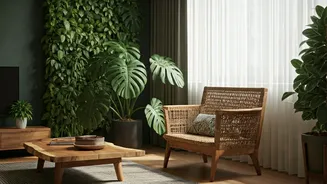
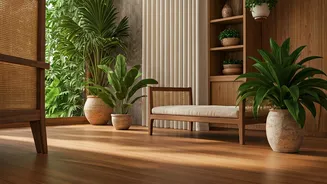
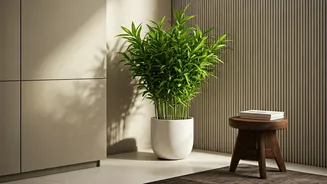
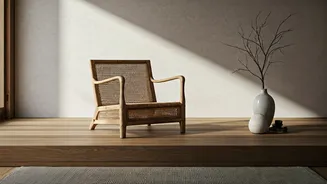
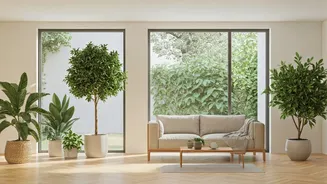
While lush greenery is a key component, true biophilic design incorporates nature in three core ways. The first is the direct experience of nature: think indoor plants, water features like a small tabletop fountain, or a window box buzzing with life. The second involves indirect experiences through natural elements. This includes using materials like wood, stone, bamboo, and rattan in furniture and decor; choosing a colour palette inspired by the earth (greens, browns, blues); and incorporating natural textures like jute rugs or linen curtains. The third principle is about space and place. This focuses on creating a sense of refuge and prospect, mimicking how we experience natural landscapes. This can be achieved with a cosy reading nook (refuge) that has a clear view across the room or out a window (prospect), and maximizing natural light and airflow.
Why We Crave This Connection
The popularity of biophilic design isn't just about aesthetics; it's rooted in science and psychology. Living and working in environments disconnected from the natural world has been shown to increase stress, dampen creativity, and lower productivity. Conversely, studies have demonstrated that incorporating natural elements into our spaces can lower blood pressure, reduce cortisol (the stress hormone) levels, and improve concentration. In the dense, bustling cities of India, where private green space is a premium, our homes have become our primary sanctuaries. The pandemic amplified this, forcing us to spend more time indoors and re-evaluate what we need from our living spaces. Biophilic design offers a tangible solution, a way to build a personal oasis that actively nurtures our mental and physical health.
Bringing the Outdoors In: Simple Steps
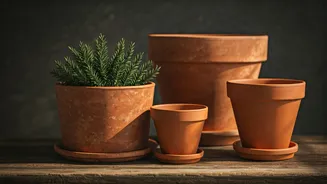
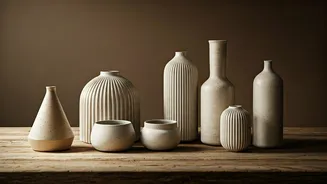
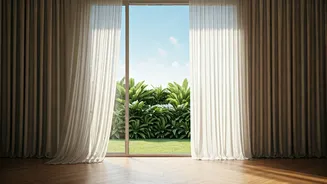
Adopting this trend doesn't require a complete home renovation. You can start small. Begin by adding plants that thrive in Indian climates, such as the snake plant, areca palm, tulsi, or money plant, which are also known for their air-purifying qualities. Next, focus on materials. Swap out synthetic items for natural ones—a terracotta vase, a cane basket for storage, or cushion covers made from organic cotton. Maximise the natural light you have by using sheer curtains instead of heavy drapes. If you have a balcony, transform it into a small green corner. Even something as simple as opening your windows to allow a cross-breeze or listening to the sound of rain can be an act of biophilic design. The goal is to consciously engage your senses with natural elements.
The Indian Context: A Modern 'Aangan'
Interestingly, biophilic design is not a new concept in India. It’s a modern name for principles that have been part of traditional Indian architecture for centuries. The central courtyard, or 'aangan', found in old homes was a classic biophilic feature—a private, open-to-sky space that brought in light, air, and often a tulsi plant, right into the heart of the home. The use of local, natural materials like teakwood, stone, and clay tiles has always been integral to our vernacular design. By embracing biophilic design today, we are not just adopting a global trend; we are reconnecting with a design philosophy that is deeply embedded in our own cultural heritage, reinterpreting it for our contemporary apartments and homes.