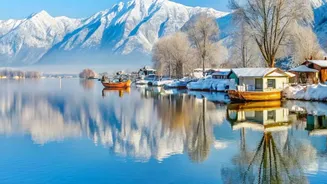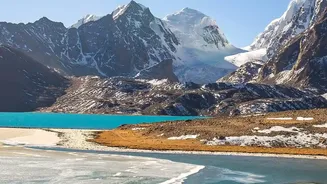

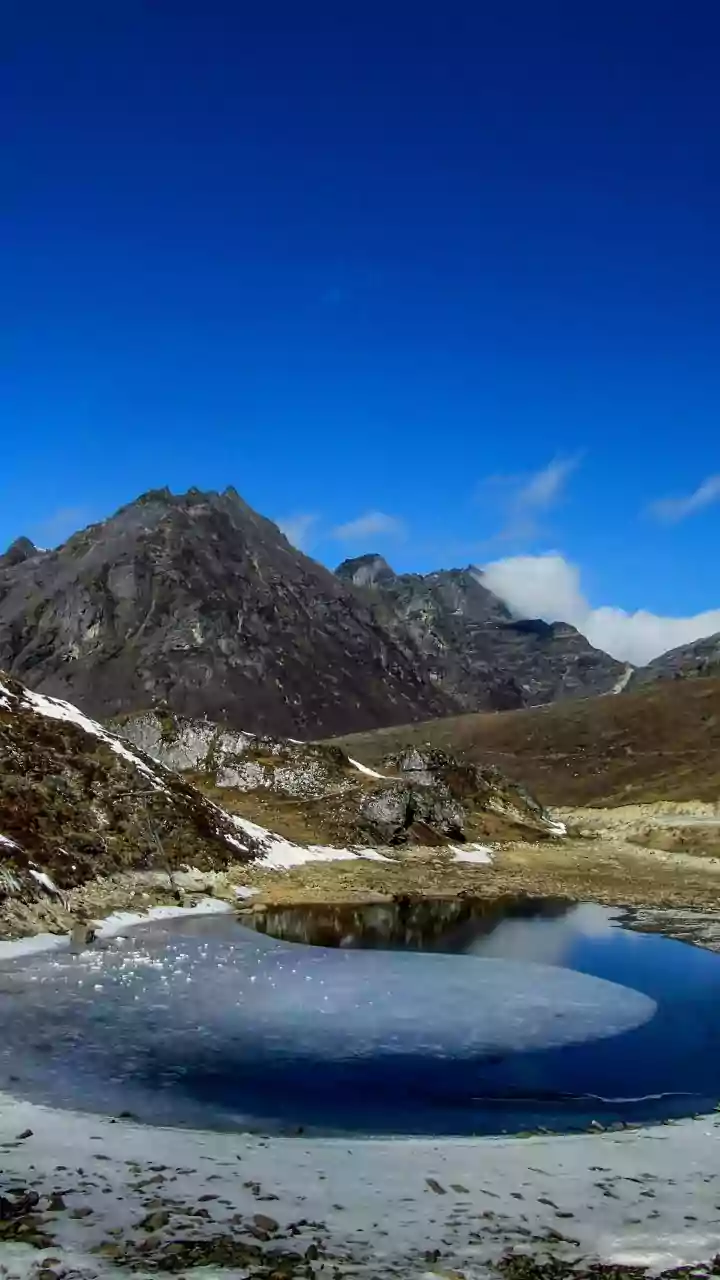
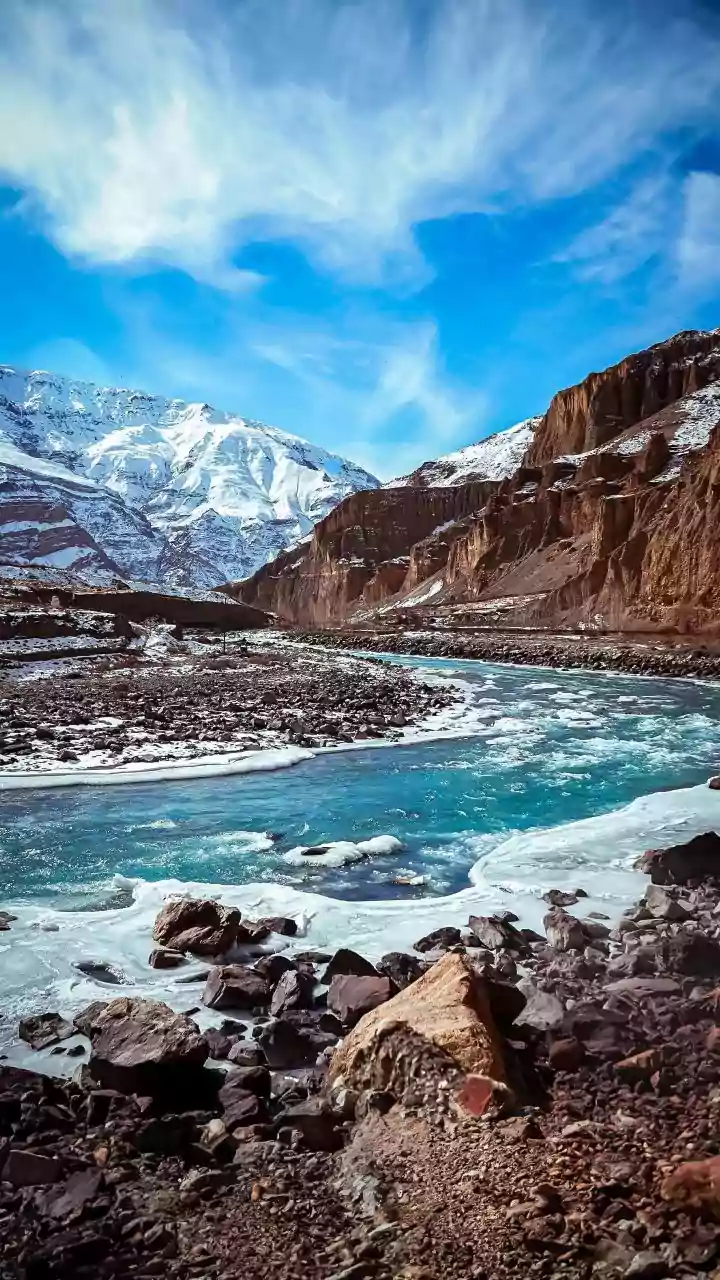
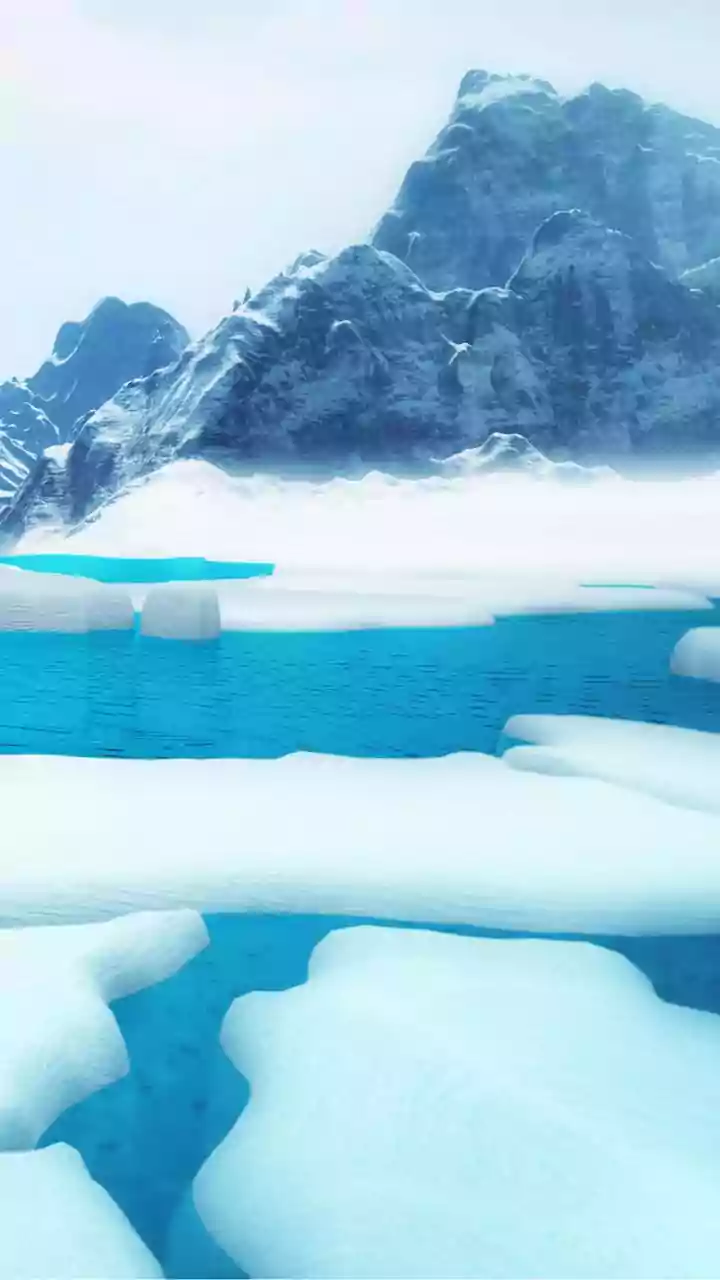
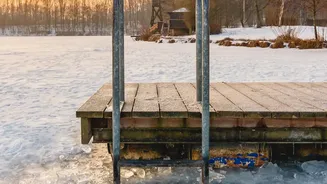
There is a unique magic to a landscape transformed by winter, and nothing captures this serene beauty quite like a frozen lake. This guide explores some of the most spectacular frozen lakes across Europe and Asia, offering otherworldly winter escapes.
Jökulsárlón Glacier Lagoon, Iceland
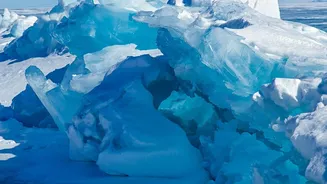
Often called the 'crown jewel' of Iceland, Jökulsárlón is not a typical lake but a glacial lagoon where massive icebergs break away from the Vatnajökull glacier. In winter, the scene is exceptionally dramatic. While boat tours on the lagoon itself often pause, this is the prime season for exploring the mesmerising blue ice caves that form within the glacier. Nearby Diamond Beach offers a surreal spectacle, where iceberg fragments wash ashore and glitter like crystals against the black volcanic sand. Winter visits, from November to March, provide the clearest ice and the best chance to witness the Northern Lights dancing above the floating giants, creating a truly unforgettable experience.
Lake Bled, Slovenia
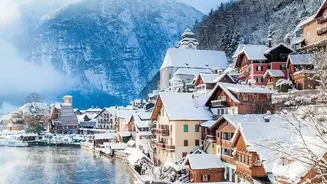
Lake Bled looks like a scene from a fairy tale, especially when dusted with snow. With its iconic island church and a medieval castle perched on a cliff above, the landscape is enchanting. While the lake doesn't freeze solidly every winter, a cold snap can turn it into a natural ice rink, though this is a rare event. Even without a complete freeze, the area is a hub for winter activities. Visitors can take a traditional 'pletna' boat to the island, walk the 6-kilometre path around the lake for stunning views, or go snowshoeing and skiing in the surrounding Julian Alps and Triglav National Park. The atmosphere is quiet and peaceful, offering a romantic getaway far from the summer crowds.
Lake Baikal, Siberia
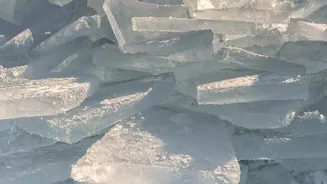
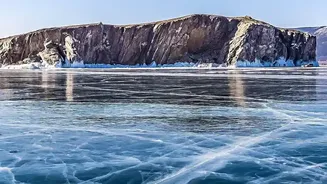
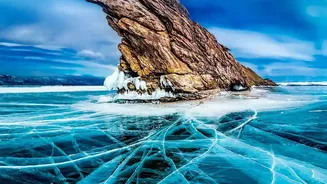
Known as the 'Pearl of Siberia', Lake Baikal is the world's oldest and deepest freshwater lake. Each winter, it transforms into a vast, solid sheet of some of the most transparent ice on Earth. The water's purity allows visibility down for dozens of feet, revealing a world of geometric cracks and bubbles of trapped methane gas that create mesmerising patterns. The ice can become over a metre thick, strong enough for vehicles to drive on. From February to March is the best time to witness this phenomenon, when the ice is at its clearest and strongest. Popular activities include ice skating on the world's largest natural rink, hiking across the frozen surface, and taking hovercraft tours to explore ice caves and dramatic shoreline formations.
Pangong Tso, Ladakh, India
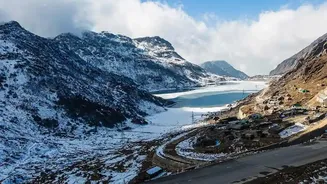
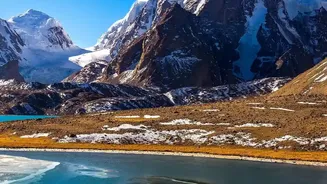
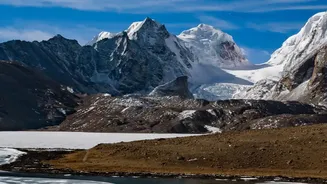
Situated at a breathtaking altitude of over 4,200 metres in the Himalayas, Pangong Tso is a high-altitude saline lake that stretches across the India-China border. Famous for its ability to change colours from deep blue to green in the summer, it offers a different kind of spectacle in winter when it freezes completely. From October to February, the lake becomes a solid sheet of ice, surrounded by the stark, snow-capped peaks of the Changchenmo Range. The journey to Pangong Tso in winter is an adventure in itself, crossing high mountain passes often covered in snow. The reward is an almost surreal landscape of profound silence and beauty, far from the tourist crowds of the peak season. For the truly adventurous, it’s a chance to witness one of the planet's most dramatic landscapes in its most tranquil state.
Lake Shikotsu, Hokkaido, Japan
While the deep caldera lake of Shikotsu itself rarely freezes over due to its depth, its shores become home to a spectacular winter event: the Lake Shikotsu Ice Festival. Held annually from late January to late February, this festival features massive ice sculptures created by spraying water from the lake onto frames, which then freeze into fantastical structures. During the day, the ice sculptures glisten with a natural blue tint, known as 'Shikotsuko blue', a reflection of the lake's incredible clarity. At night, the entire area is illuminated with colourful lights, creating a magical kingdom of ice. Visitors can walk through ice tunnels, enjoy ice slides, and watch fireworks displays on weekends, making it a vibrant and unique winter experience in Japan's northern island of Hokkaido.