






A Tale of Five Consulates: The Latest Wait Times
The most critical factor in your US visa application journey is the interview appointment wait time, which differs significantly across the five American consulates in India. As of mid-July 2026, the variation is stark. Applicants for a B1/B2 visitor
visa face the longest queues in Hyderabad and Mumbai, with an estimated wait of around 9.5 months. New Delhi is slightly better, with an average wait of about 7.5 months. The situation improves as you look towards other cities. In Chennai, the average wait time for a first-time interview is approximately 5.5 months. The shortest queue is currently in Kolkata, where applicants can expect to wait about 4 months for their appointment. These figures, based on data from early July 2026, are for new B1/B2 applicants requiring an in-person interview and can fluctuate.
Why Such a Long and Winding Queue?
Several factors contribute to these lengthy and inconsistent wait times. The primary driver is immense demand from Indian travellers for tourism, family visits, and business meetings. While the U.S. Mission to India has made significant strides, issuing a record one million visas in fiscal year 2024 to clear the post-pandemic backlog, demand continues to outpace capacity. Each consulate has its own staffing levels and operational capacity, which directly impacts the number of available appointment slots. Mumbai and New Delhi traditionally handle enormous volumes of applications, including a heavy load of student visas in the summer, which contributes to their longer queues for visitor visas. Cities with relatively lower applicant volume, like Kolkata, often offer faster appointment times.
The 'Update' That Matters: Check and Re-Check
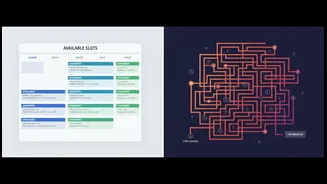
The headline's mention of an "update" refers not to a single policy change, but to the dynamic nature of the appointment system itself. The most crucial advice from officials is for applicants to monitor the scheduling portal frequently. New appointment slots are released regularly as a result of cancellations or when consulates add more capacity. This means that even if you have an appointment scheduled months away, you might find an earlier slot by checking the system often. This active monitoring can potentially shorten your wait time considerably. The official U.S. visa scheduling website is the only reliable source for this information; treat wait times published on other travel sites as estimates only.
Strategic Planning: What Applicants Should Consider
Given the vast differences in wait times, applicants have some strategic flexibility. You can generally schedule your visa interview at any of the five consulates in India, regardless of your city of residence. If your travel is not urgent and you prefer a consulate closer to home, be prepared for the corresponding wait time. However, if you need a visa sooner, it may be worthwhile to book an appointment in a city with a shorter queue, like Kolkata or Chennai, and plan your travel there accordingly. Before acting, always verify the most current wait times on the official U.S. Department of State website, as these numbers are updated periodically and can change. Also, remember that the wait time estimate begins after you complete the DS-160 form and pay the fee; it does not include the time for post-interview processing or passport return.