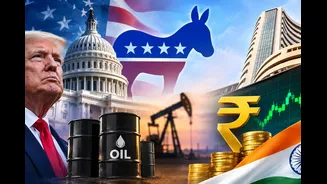








The ballots are counted and the 2026 US midterm election results are in. Yet for global investors, a sense of clarity remains elusive. The outcome has reshaped Washington's power dynamics, creating fresh questions for the global economy.
A New Political Landscape in Washington
The elections
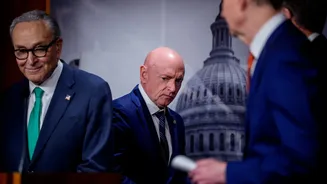
resulted in a decisive victory for the Democratic party, which has taken control of both the House of Representatives and the Senate. This marks a significant shift, creating a divided government with a Republican president and a Democrat-controlled Congress for the final two years of the term. While election cycles often bring volatility, analysts note that markets historically perform well in the year following midterms. However, this particular outcome sets the stage for potential political gridlock. The president is expected to rely heavily on executive orders to bypass Congress, while Democrats will likely use their new majority for increased oversight and investigations, particularly into corporate practices.
The Key Economic Battlegrounds
With a divided government, sweeping new fiscal policies like major tax and spending bills are now unlikely to pass. The primary concern for markets is the potential for legislative standoffs over crucial issues like government funding and raising the national debt ceiling. A battle over the debt limit, expected to be reached in mid-2027, could inject significant volatility into equity and bond markets. Another key area of focus is regulation. Democrats are expected to increase scrutiny on several sectors, most notably technology and energy. There are particular concerns about new restrictions on the development of AI data centers, which have been a major engine of US economic growth.
Global Ripples and Market Reactions
The immediate market reaction to the election results has been mixed. While an initial sell-off in US stock futures occurred, markets later rallied as the certainty of the result sunk in. The US Dollar Index slid to a one-month low, and US Treasury yields declined. A major factor influencing global markets is the price of crude oil, which fell amid hopes that a Democrat-controlled Congress might push for a diplomatic breakthrough with Iran. However, analysts caution that the president retains significant authority in foreign policy and trade, meaning uncertainty around tariffs and geopolitical tensions will persist. Europe, for its part, remains cautiously optimistic, hoping for a less disruptive tone from Washington but realistic that fundamental US policy is unlikely to change dramatically.
What the Results Mean for India
For India, the US election outcome carries significant implications. A potential drop in crude oil prices would be a major positive, easing inflation and reducing the import burden for key sectors like aviation, paints, and chemicals. However, India's crucial IT services sector faces headwinds. The Nifty IT index saw declines following the results, reflecting fears of a slowdown in US tech spending and potential regulatory hurdles for AI development, which could impact outsourcing budgets. Indian pharmaceutical companies will also be watching closely for any changes to US healthcare policy and drug pricing. While a divided US government could lead to more stable and predictable trade policy, reducing tariff uncertainty, the overall impact on foreign investment flows will depend on global sentiment, which remains fragile.