



Follow the 'Leave No Trace' Golden Rule
The most fundamental principle of eco-friendly trekking is to leave nature exactly as you found it. This means packing out everything you pack in. Carry a dedicated bag for all your waste, including food wrappers, plastic bottles, and any other non-biodegradable
items. Do not litter the trails or campsites. The influx of tourism has led to a significant problem with plastic waste in ecologically sensitive areas, and during the monsoon, this trash can be washed into streams and soil, causing long-term damage. By carrying your waste back to a designated disposal area in a town or city, you play a crucial role in preserving the pristine beauty of the Ghats.
Stick to Designated Trails
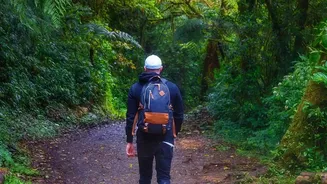
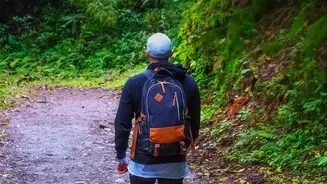
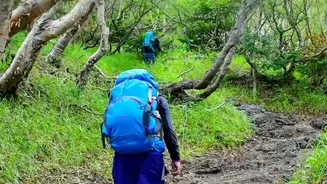
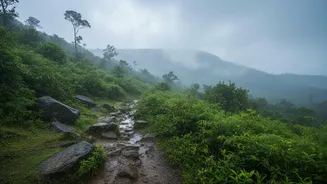
The monsoon softens the earth, making vegetation and soil especially vulnerable to damage. When you venture off the marked path, you risk trampling delicate flora, including unique monsoon blooms and saplings. This also contributes to soil erosion, which is a major concern on sloped terrain during heavy rains. Forest departments and eco-tourism groups have established trails to minimize human impact on the surrounding forest and grasslands. Sticking to these paths not only protects the ecosystem but also ensures your own safety by preventing you from getting lost in areas with poor visibility, which can drop suddenly during a squall.
Choose Your Gear Wisely
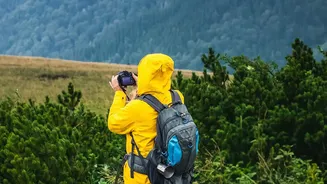
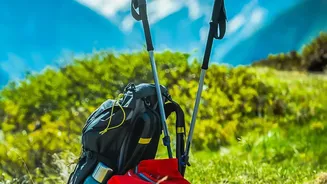
Sustainable trekking starts before you even hit the trail. Opt for reusable items over single-use ones. Carry a reusable water bottle or a portable water filter instead of buying plastic bottles. Pack snacks in reusable containers. When it comes to clothing, choose quick-drying synthetic fabrics like nylon over cotton, which absorbs moisture and takes a long time to dry. For safety and comfort, invest in high-grip trekking shoes, a full-coverage poncho that also protects your backpack, and waterproof dry bags for electronics. Also, be prepared for leeches, a common feature of monsoon treks in the Ghats, by wearing full-length trousers and carrying salt or leech socks.
Respect Local Regulations and Communities
Many popular trekking routes in the Western Ghats fall within protected areas or wildlife sanctuaries, and authorities have implemented rules to manage the flow of tourists and ensure safety. States like Karnataka now mandate online permits, a cap on the number of trekkers per day, and the hiring of certified local guides for many trails. These guides are not only essential for navigation but are also a valuable source of knowledge about the local biodiversity. Respect these regulations, as they are designed to protect both you and the environment. Engaging with local communities by staying in homestays or hiring local guides contributes positively to the 'rain economy' and supports those who are the primary custodians of these natural landscapes.
Minimize Your Physical Footprint
Being a mindful trekker means being aware of your impact at every step. Avoid playing loud music, which can disturb wildlife. Do not attempt to feed animals, as it disrupts their natural foraging habits. If you are camping, ensure you leave the campsite cleaner than you found it. During the monsoon, many endemic species of amphibians and insects emerge, some of which are found nowhere else in the world. Be observant and careful where you step. These small creatures are a vital part of the ecosystem that makes the Western Ghats a global biodiversity hotspot.
Prioritize Safety for Yourself and Nature
Irresponsible behaviour often leads to accidents, which can trigger search and rescue operations that strain local resources and cause further disturbance to the environment. Always check the weather forecast, be aware of trail cut-off times, and never trek solo in remote forest areas during the monsoon. Many regions have made it mandatory to trek in groups. Carry a basic first-aid kit, a head-torch, and a fully charged power bank. By being well-prepared and cautious, you ensure your own safety and prevent the need for interventions that could harm the very nature you came to enjoy.