





The Rise of a 'Guilt-Free' Dessert
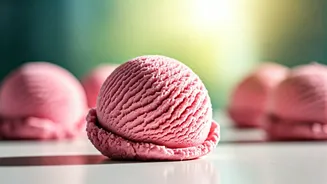
For years, ice cream has been the ultimate indulgence, a delicious treat often reserved for cheat days. But what if dessert could align with your fitness goals? That's the promise of protein ice cream, a fast-growing trend in India and globally. This
new wave of frozen desserts is formulated to be lower in calories and sugar while being significantly higher in protein than its traditional counterpart. The core idea is to deliver the creamy satisfaction you crave without derailing your nutritional targets. With a rising fitness culture and greater awareness around health conditions like diabetes, Indian consumers are increasingly looking for smarter food choices, and the dessert category is no exception. This has created a booming market for treats that offer functional benefits, transforming ice cream from a simple pleasure into a post-workout reward or a satisfying, macro-friendly snack.
A Look at the Nutritional Label
The main difference between protein ice cream and the regular kind lies in the macros. A standard serving of traditional ice cream might contain 250-300 calories, around 3-5 grams of protein, and upwards of 20 grams of sugar. In contrast, a serving of protein ice cream can offer anywhere from 10 to 20 grams of protein, with significantly fewer calories and much less sugar, sometimes close to zero. To achieve this, manufacturers replace sugar with substitutes like stevia, monk fruit, or sugar alcohols (like erythritol), and boost protein content using sources such as whey, casein, or plant-based proteins. This protein boost helps with satiety, keeping you feeling fuller for longer, and can aid in muscle repair, making it an appealing option for fitness enthusiasts. However, it's not a direct replacement for whole food protein sources like lean meat, eggs, or legumes.
Is It Actually a Healthy Choice?
While 'healthier' than traditional ice cream, whether protein ice cream is truly 'healthy' is relative. The term can create a 'health halo,' leading people to believe they can eat large quantities without consequence. These products are still processed desserts and should be considered a treat. A key concern is the ingredient list. To compensate for lower fat and sugar, many brands use a long list of thickeners, gums, and stabilisers to mimic the creamy texture of real ice cream. Furthermore, some sugar alcohols used for sweetening can cause digestive discomfort, like bloating and gas, in some individuals. Nutrition experts advise moderation, suggesting it can be enjoyed a few times a week but shouldn't replace nutrient-dense whole foods in your diet. The consensus is to use it as a tool for managing cravings, not as a primary source of nutrition.
How to Choose the Best Pint
Navigating the growing number of protein ice cream brands can be confusing. To make an informed choice, start by reading the nutrition label. Aim for a product that offers a meaningful amount of protein, ideally between 10 and 20 grams per serving. Pay close attention to the sugar content; even if it's low, check the ingredient list for which sweeteners are used. If you are sensitive to sugar alcohols, you might want to choose a brand that uses stevia or monk fruit instead. Lastly, look for a short and recognizable ingredient list. While some additives are necessary to maintain texture, products with fewer gums and fillers are generally a better choice. The goal is to find a brand that balances great taste with a nutritional profile that aligns with your personal health and fitness objectives.
The Do-It-Yourself Alternative
For those who want complete control over their ingredients, making protein ice cream at home is a simple and rewarding alternative. Many recipes require no special ice cream maker. A popular base is frozen bananas, which create a naturally sweet and creamy texture when blended. From there, you can add a scoop of your favourite vanilla or chocolate protein powder, a splash of milk or a dairy-free alternative, and a healthy fat source like almond butter or cottage cheese for extra creaminess. You can even add cocoa powder for a rich chocolate flavour or other mix-ins like nuts or cacao nibs. This DIY approach not only allows you to avoid artificial sweeteners and fillers but also lets you customize the flavour and protein content to your exact preference.