






What Exactly Are Neo-Banks?
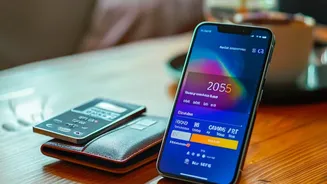
Think of a bank, but without the physical branches, long queues, and stacks of paperwork. That's a neo-bank. These are financial technology (fintech) firms that offer banking services entirely through slick, user-friendly mobile apps. In India, neo-banks
aren't licensed as banks themselves by the Reserve Bank of India (RBI). Instead, they partner with existing, RBI-regulated banks like Federal Bank, Equitas Small Finance Bank, or SBM Bank. This partnership model means the neo-bank provides the cool tech interface and innovative features, while a traditional bank securely holds your money in the background. This structure allows them to be agile and customer-focused, filling a gap between what traditional institutions offer and what modern customers expect.
The High-Interest Rate Advantage
The most significant draw for young savers is the promise of higher interest rates on their deposits. Because neo-banks don't have the massive overhead costs of running physical branches, they can pass those savings on to their customers. While major traditional banks might offer savings account interest rates in the range of 3-4% per annum, some neo-banks, through their partner small finance banks, can offer significantly more. For example, some platforms offer rates that can go up to 7% on savings balances, a compelling reason for anyone looking to grow their money faster. Fi Money, for instance, has offered rates around 5.1% on savings. This stark difference in returns is a primary driver for young people who are keen to maximise every rupee saved.
More Than Just Interest: The Experience Factor
While high interest is the hook, the overall experience is what keeps young users loyal. Neo-banks are designed for the smartphone generation. Opening an account often takes mere minutes, completed entirely within the app. The user interfaces are clean, intuitive, and built for people who value speed and convenience. Features that are major selling points include real-time spending categorisation, automated savings 'pots' or 'goals' (like with Jupiter), and detailed financial insights that help users understand and manage their spending habits. Many also offer rewards and cashback on UPI and debit card transactions, gamifying the act of spending and saving. For a generation used to seamless digital services like Netflix and UPI, this friction-free approach to banking is a natural fit.
Popular Platforms for Young Indians
Several key players dominate India's neo-banking scene, each with a slightly different focus. Jupiter and Fi Money, both of which partner with Federal Bank, are incredibly popular among urban millennials and Gen Z professionals. They are known for their smart savings tools and transparent fee structures. Niyo, which partners with banks like DCB Bank and Equitas Small Finance Bank, has carved out a niche with its NiyoX zero-balance accounts and the Niyo Global card, which is a favourite among students and international travellers. Then there are platforms like FamPay, which specifically target teenagers to help them learn financial literacy with parental oversight. This variety ensures that there's a neo-banking solution for nearly every type of young, digital-first user.
Is It Safe? Understanding the RBI's Role
This is the most critical question for any saver. Since neo-banks themselves are not directly licensed by the RBI, your money is not technically held by them. It is held by their partner bank, which is a fully regulated entity. This means your deposits are protected by the RBI's Deposit Insurance and Credit Guarantee Corporation (DICGC), which insures bank deposits up to ₹5 lakh per depositor, per bank. The RBI governs these fintechs indirectly through strict outsourcing guidelines imposed on the partner banks. These rules ensure the banks are responsible for data security, customer protection, and grievance redressal, holding them accountable for the actions of their neo-bank partners. So, while you interact with the neo-bank's app, the security of your funds rests with the established banking system.