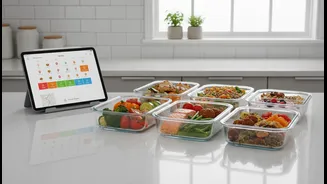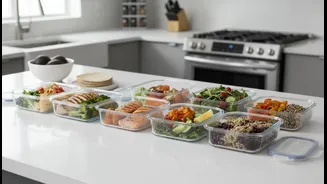









The Promise: Effortless Weekday Nutrition
The sales pitch is undeniably attractive. For a fixed weekly or monthly fee, you get nutritious, calorie-counted, and often gourmet-style meals delivered to your doorstep. Companies promise an end to the daily grind of meal planning, grocery shopping,
and cooking, freeing up hours of your time. For busy professionals and students living away from home, this sounds like a dream come true. The marketing emphasizes freshly cooked, wholesome meals tailored to specific dietary needs—be it high-protein, low-carb, vegan, or keto. The core message is one of ultimate convenience without compromising on health, offering a structured way to manage nutrition and portion control.
The 'Health-Halo' Trap
Here's where things get complicated. Many services operate under a "health halo," a marketing effect where a single positive claim—like "organic," "low-fat," or "high-protein"—makes the entire product seem healthier than it is. A meal labeled "all-natural" can still be high in sodium, hidden sugars, or unhealthy fats. Consumers might overestimate the health benefits and feel less guilty, potentially leading to overconsumption or ignoring the full nutritional picture. The term "healthy" itself is not legally regulated on food packaging, allowing brands to use it liberally. A "gluten-free" meal, for example, isn't inherently more nutritious for someone without a gluten sensitivity. The key is to look beyond these buzzwords and scrutinize the actual ingredient list and nutritional information.
Reality Check: Cost and Customisation
While some services claim to be more affordable than ordering from food aggregators by streamlining delivery, the overall cost is often higher than home cooking. The convenience comes at a premium. A monthly subscription can range from ₹4,000 to over ₹6,000, which is a significant expense. Furthermore, the level of personalisation can be limited. While you might choose a "weight-loss" plan, the daily menu is often fixed, offering little flexibility for individual tastes or preferences. This can lead to food fatigue, where the meals become repetitive and boring over time, a common reason why subscribers cancel.
The Question of Quality and Consistency
The promise of "home-cooked" meals is a major draw, but the reality can be inconsistent. Some services operate from large, centralised kitchens, where the food might taste more industrial than homemade. Others that connect users with a network of home chefs face significant logistical and quality control challenges, such as ensuring consistent taste, hygiene, and timely delivery across different cooks. While many platforms require FSSAI certification, ensuring every meal from every kitchen meets the same standard is a massive operational hurdle. User reviews often point to a great first few meals followed by a dip in quality or variety.
Making an Informed Choice
Despite the pitfalls, these services can be a valuable tool when used correctly. The built-in portion control is a genuine benefit for those looking to manage their intake. They can be an excellent supplement for particularly hectic weeks, preventing you from defaulting to less healthy junk food options. The trick is to be a discerning customer. Don't be swayed by marketing claims alone. Always check the full nutritional breakdown of meals, looking for sodium and sugar content. Read recent, independent user reviews to get a sense of taste and consistency. Finally, consider a short-term trial before committing to a full month to see if the service truly fits your lifestyle and palate.