

A Roadmap to the Stars
India's space program is transitioning from achieving singular milestones to executing a comprehensive, long-term strategy. This new vision, often referred to as 'Space Vision 2047', was given a clear direction by the government, which set two monumental
goals: establishing an indigenous space station by 2035 and landing an Indian astronaut on the Moon by 2040. This represents a strategic pivot towards sustained space presence and deep space exploration. The plan involves a carefully sequenced series of missions designed to build capabilities step-by-step, from mastering human spaceflight to undertaking complex interplanetary journeys and eventually establishing a permanent address in orbit. This strategy aims to solidify India's position as a major spacefaring nation and leverage space technology for national development.
Gaganyaan: India's Human Spaceflight Debut
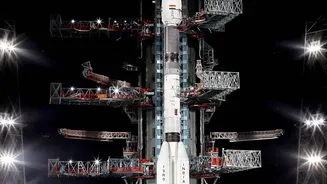
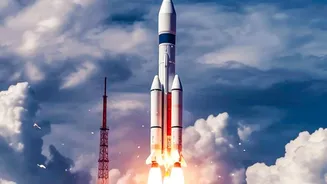
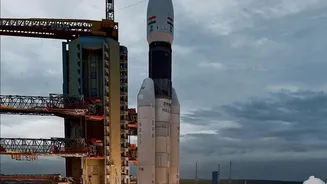
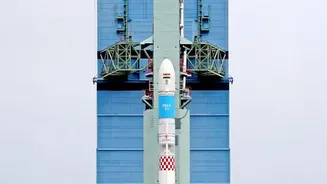
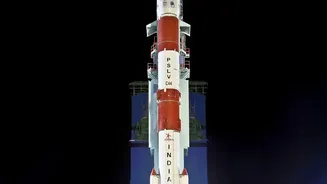
The cornerstone of this vision is the Gaganyaan programme, which aims to send Indian astronauts into Low Earth Orbit on an Indian spacecraft. This historic undertaking will make India only the fourth country to achieve independent human spaceflight capability. Before astronauts take flight, ISRO has planned a series of uncrewed test missions to ensure the utmost safety and reliability of the systems. The first uncrewed flight, G1, is expected in the latter half of 2026, followed by others, including one with the humanoid robot Vyommitra on board to simulate crew functions. The first crewed mission is now targeted for 2027. Mastering human spaceflight through Gaganyaan is the essential first step toward the more ambitious goals of long-duration missions aboard a space station and, ultimately, a lunar landing.
Bharatiya Antariksha Station: A Home in Orbit
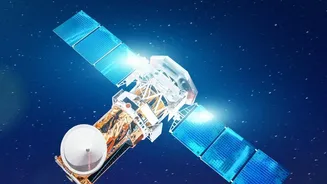
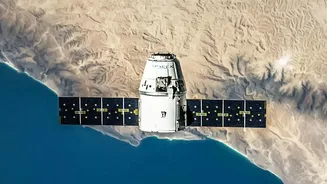
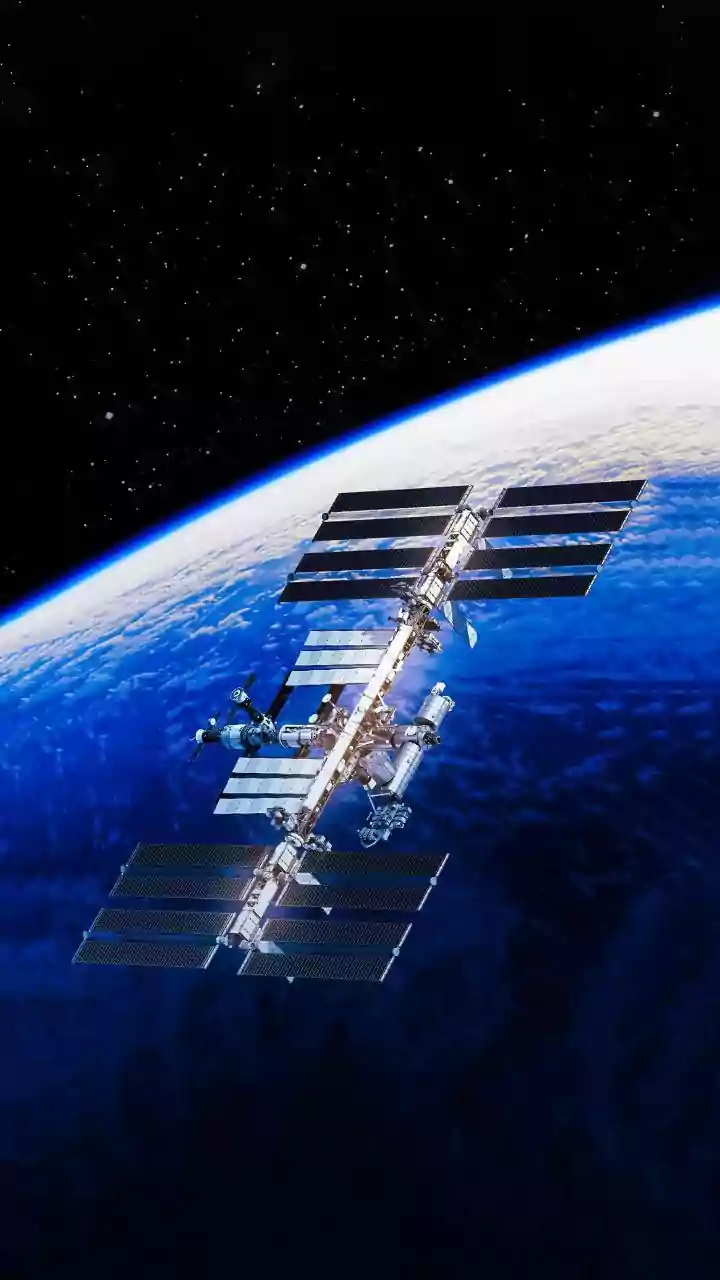
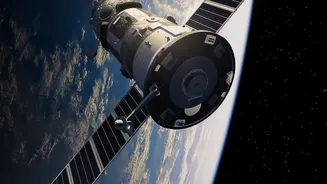
The next logical leap is the Bharatiya Antariksha Station (BAS), or Indian Space Station, slated to be operational by 2035. This modular station will be assembled in orbit, with the first module planned for launch in 2028. Weighing around 52 tonnes upon completion, the station will orbit at an altitude of about 400-450 kilometres and will be able to host three to four astronauts for months at a time. The BAS will serve as a microgravity laboratory for scientific research in fields like biology and materials science, and a crucial testbed for technologies needed for future interplanetary missions. It is a declaration of India's intent to shift from short-duration flights to a sustained human presence in space, fostering long-term research and technology development.
Expanding Our Interplanetary Horizons
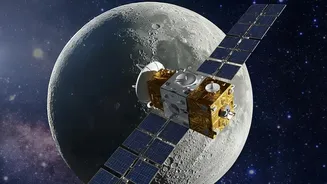
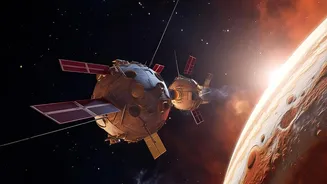
Alongside its human spaceflight ambitions, ISRO is expanding its robotic exploration of the solar system. Building on the success of Mangalyaan, a successor mission, Mangalyaan-2, is planned. Unlike the first mission, which was an orbiter, Mangalyaan-2 aims to land a rover and potentially a helicopter on the Martian surface, a significant technological leap. Another key target is Venus. The Shukrayaan-1 orbiter mission, with a planned launch around 2028, will study the atmosphere and surface of Earth's mysterious twin. Back closer to home, the Chandrayaan-4 mission is planned as India's first lunar sample return mission, aiming to collect regolith from the Moon and bring it back to Earth for study around 2028.
The Ultimate Goal: An Indian on the Moon
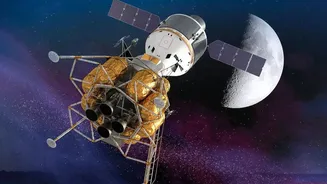
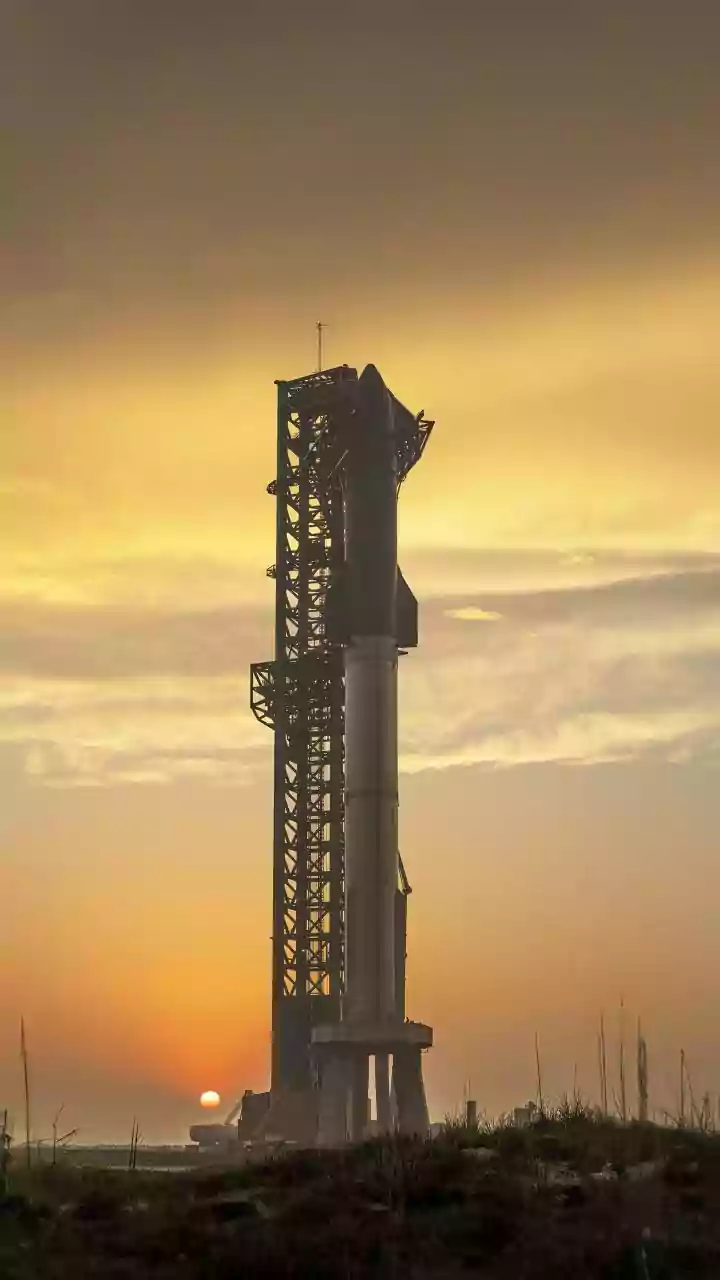
The culmination of all these efforts is the goal of landing an Indian astronaut on the Moon by 2040. This monumental task will build upon every capability developed in the preceding years. The Gaganyaan program will provide the experience in human spaceflight and life support systems. The Bharatiya Antariksha Station will serve as a training ground for long-duration missions. New, heavy-lift rockets, currently in development, will be required to launch the components for a lunar mission. The lunar sample return mission will prove the technologies for landing and ascending from the lunar surface. This ambitious target serves as a powerful driver for innovation, pushing ISRO to develop next-generation technologies and cementing India's place among the world's leading space powers.