





An Explosion of Solar Power
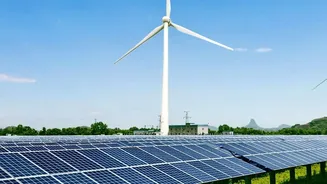
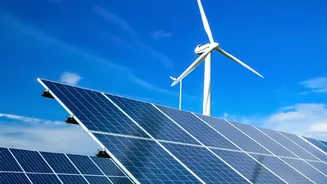
India's commitment to clean energy is undeniable. The nation has become the world's third-largest installer of renewable energy and is on track to meet its ambitious target of 500 gigawatts (GW) of non-fossil fuel capacity by 2030. Solar power is the star
of this transformation, with installed capacity surging in recent years. This growth is driven by falling technology costs and strong government policy, making solar one of the cheapest sources of new power in the country. From large-scale solar parks to rooftop panels on millions of homes, the push for solar is changing India's energy landscape at an unprecedented pace.
The Challenge of Intermittency
The core problem is simple: solar panels only generate electricity when the sun shines. Unlike coal or gas power plants that can run 24/7, solar power is variable and intermittent. A passing cloud can cause a sudden dip in generation. More predictably, power output drops to zero every evening, regardless of when electricity is most needed. This creates a major headache for grid operators, whose primary job is to match power supply with demand in real-time to maintain stability across the network. When a huge portion of the country's power comes from a source that is not constant, this balancing act becomes incredibly difficult.
The 'Duck Curve' Explained
This mismatch between solar generation and power demand has a name: the 'duck curve'. The term describes a graph of the net electricity demand that the grid must serve from conventional power plants. During the day, massive amounts of solar power flood the grid, causing the demand for conventional power to drop sharply, forming the 'belly' of the duck. But as the sun sets, solar generation disappears just as household electricity demand surges for lighting and appliances, creating a steep ramp-up in demand—the 'neck' of the duck. This rapid evening surge forces conventional power plants to ramp up their output extremely quickly, putting immense strain on a system not designed for such flexibility.
A Grid Under Strain
When the grid can't handle these rapid swings, problems arise. The frequency and voltage can become unstable, risking damage to equipment and even causing power outages. In some cases, grid operators are forced to 'curtail' or waste available solar power during the day simply because the network cannot handle it, even while demand for power at night remains high. India's existing grid infrastructure was built for a world of centralised, steady power generation. Integrating vast, decentralised, and variable renewables requires a fundamental upgrade in how the grid operates.
Building a Smarter, More Flexible Grid
Fortunately, India is actively working on solutions. The most critical is investing in energy storage, particularly large-scale Battery Energy Storage Systems (BESS). These batteries can absorb surplus solar power during the day and release it during the evening peak, effectively flattening the duck curve. Other solutions include modernizing the grid with smart technologies and AI-driven forecasting to better predict and manage power flows. There's also a push to make conventional power plants more flexible and to build more robust transmission lines to move power from solar-rich regions to demand centres. By making the entire system more flexible, India can ensure that its renewable energy is not just generated, but also reliably delivered.