
Beyond the Yoga Mat
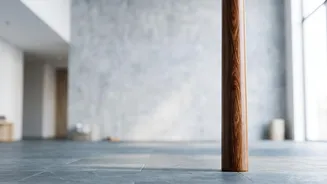
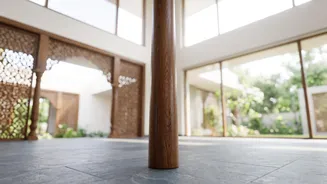
While yoga has become a global wellness phenomenon, India's repository of traditional physical disciplines runs much deeper. Now, forms like Mallakhamb, Kalaripayattu, and Silambam are stepping into the spotlight. Mallakhamb, a stunning display of gymnastics
on a vertical wooden pole or rope, builds incredible core strength and flexibility. Kalaripayattu, a martial art from Kerala often cited as one of the oldest fighting systems in existence, offers a holistic regimen of physical conditioning, weapon training, and healing techniques. These practices are far more than just exercise; they are a blend of physical prowess, mental focus, and deep-rooted cultural expression that offer a compelling alternative to conventional sports and gym routines.
A Major Push from Policy
This revival isn't happening in a vacuum. A significant catalyst has been a concerted push from the government. The National Education Policy (NEP) 2020 explicitly advocates for integrating indigenous and traditional games into school curricula to foster not just physical fitness but also cultural identity and holistic development. The policy moves sports from being an 'extracurricular' activity to a core part of learning. This is complemented by initiatives like the Fit India Movement, launched in 2019, which aims to make fitness a part of daily life and specifically encourages the promotion of indigenous sports. Through schemes like Khelo India, the government is providing financial support for infrastructure, coaching, and scholarships for athletes in disciplines such as Mallakhamb, Gatka, and Kalaripayattu, bringing them from the fringes into the mainstream.
The Holistic Benefits for a New Generation
The appeal of these ancient forms lies in their holistic approach to well-being. Unlike modern workouts that may isolate muscle groups, traditional Indian exercises train the body to work as a single, coordinated unit. Practices like Mallakhamb and Kalaripayattu are celebrated for developing a unique combination of strength, agility, balance, and flexibility. But the benefits extend beyond the physical. These disciplines demand immense concentration, controlled breathing, and mental resilience, which helps in reducing stress and improving focus. For a generation battling digital distraction and sedentary lifestyles, these practices offer a way to build not just a strong body, but also a disciplined and focused mind, all while connecting with their heritage.
Challenges in the Modern Revival
Despite the growing momentum, the path to making these traditional exercises a mainstream part of youth wellness has its obstacles. One of the primary challenges is the scarcity of qualified instructors and standardized training programs that can be implemented on a large scale in schools across the country. These arts have historically been passed down through 'gurukula' traditions, which are difficult to replicate in a modern educational framework. Furthermore, indigenous sports face stiff competition for attention from globally popular sports like cricket and football, as well as the ever-present lure of digital entertainment. For this revival to be sustainable, it will require a concerted effort to build infrastructure, train coaches, and create engaging platforms that can capture the imagination of young Indians.
From Regional Pride to National Movement
The journey of these sports from local 'akharas' and village fields to the national stage is a testament to their enduring appeal. The professionalization seen in sports like Kabaddi and Kho-Kho, with televised leagues and corporate sponsorships, has provided a successful template for how traditional games can be repackaged for a modern audience. This has not only created new career opportunities for athletes but has also instilled a sense of cultural pride. As schools begin to formally adopt these practices and awareness grows, what was once a niche interest could well become a defining feature of India's youth wellness landscape, creating a generation that is both physically fit and culturally grounded.