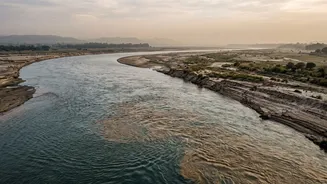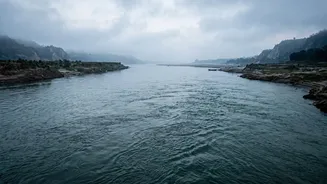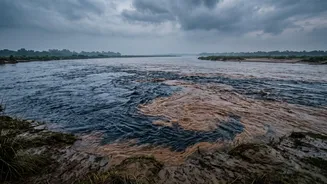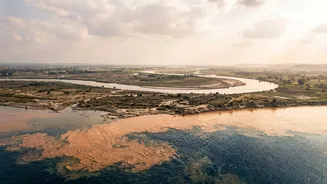

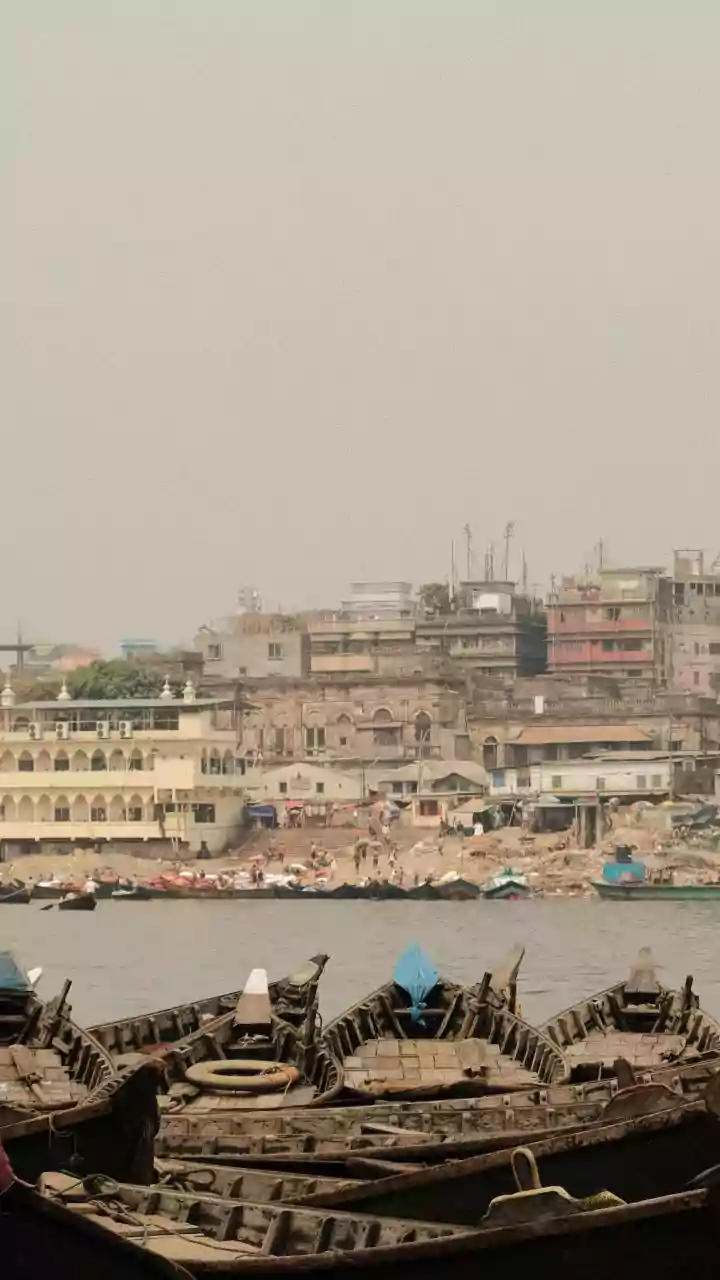



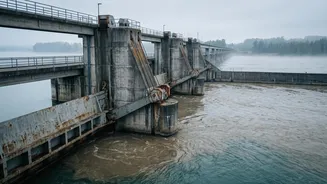

A landmark 30-year treaty on sharing the waters of the river Ganges between India and Bangladesh is set to expire in December 2026. As the deadline looms, both nations are navigating a complex web of environmental, agricultural, and geopolitical stakes.
A Historic Pact on a Shared Lifeline
Signed in December 1996, the Ganges Water-Sharing Treaty was a milestone in South Asian diplomacy, creating a framework for managing the river's flow during the critical dry season from January to May. The agreement specifies how water will be shared at the Farakka Barrage in West Bengal, located about 20 kilometres from the Bangladeshi border. It established a formula based on water availability, with the aim of balancing India’s need to keep the Kolkata port operational with Bangladesh's requirements for agriculture, fisheries, and preventing salinity intrusion in its southwestern regions. The treaty, which is renewable by mutual consent, has provided a degree of stability for three decades, but the context for its renewal has changed dramatically.
Bangladesh's Pressing Concerns
For Bangladesh, a lower riparian state, the stakes are immense. Officials and environmental groups in the country have long argued that the reduced downstream flow during the dry season has had devastating effects. These include damage to agriculture and fisheries, which are the backbone of the rural economy, and increased soil and water salinity in coastal areas, threatening the delicate ecosystem of the Sundarbans mangrove forest. Dhaka is reportedly seeking a new or revised agreement that includes a 'guarantee clause', similar to a previous 1977 arrangement, to ensure a minimum water share even during periods of exceptionally low flow. This push comes as the country's water needs have grown and the impacts of reduced flow have become more acute.
The Teesta River's Long Shadow
Complicating the Ganges negotiations is the unresolved issue of the Teesta River, another of the 54 rivers shared by the two countries. An agreement on sharing the Teesta's water has been stalled since 2011, largely due to opposition from the state government of West Bengal, which cites its own water scarcity concerns. This long-standing failure to reach a deal has fostered a sense of distrust in Bangladesh and is a major political irritant in the bilateral relationship. For many in Dhaka, progress on the Ganges treaty is intrinsically linked to a fair resolution for the Teesta, making it a critical factor in the upcoming negotiations.
A New Player on the Riverbank
A new and significant geopolitical element in the region's hydro_politics is the growing presence of China. Bangladesh has formally sought Chinese technical assistance and support for a massive, billion_dollar 'Teesta River Comprehensive Management and Restoration Project'. This project aims to dredge the river and build embankments to better manage water flow and prevent erosion. While Bangladesh sees this as a developmental necessity, India views China's potential involvement in a river project so close to its sensitive Siliguri Corridor with strategic concern. India has since presented its own proposal to assist with the Teesta project, turning the river into a theatre of competition for influence between the two Asian giants.
India's Diplomatic Tightrope
New Delhi finds itself walking a fine line. On one hand, maintaining a stable and friendly relationship with Dhaka is a cornerstone of its 'Neighborhood First' policy. On the other, it faces rising domestic water demands from states like West Bengal and Bihar, whose leaders are insisting their interests be protected in any new treaty. The negotiations are no longer just about a bilateral water_sharing formula; they are a test of India's ability to balance domestic political pressures with its regional leadership role and counter China's expanding footprint. Recent reports suggest that a straightforward automatic renewal of the 1996 treaty is unlikely, with both sides considering significant changes.