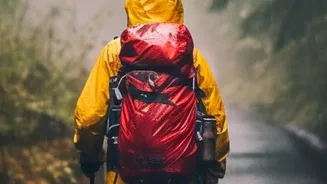







The Core Concept: Wet and Dry Zones
The foundation of smart monsoon packing is to treat your luggage not as one large container, but as two distinct environments. The 'wet zone' is for items that will inevitably get damp or are designed to handle rain. The 'dry zone' is a protected inner
sanctum for everything that must stay dry, like electronics, documents, and fresh clothes. This mental separation prevents moisture from a soaked raincoat or muddy shoes from migrating to your clean t-shirts and laptop. Use waterproof bags and packing cubes to create these physical barriers within your main suitcase or backpack.
Equipping Your Wet Zone
This zone is your first line of defence against the rain. It should contain items you need to access quickly when a shower hits. Think of it as your grab-and-go monsoon kit. Key items include a lightweight, packable rain jacket or poncho, which is often more practical than an umbrella in windy conditions. Also include your primary pair of waterproof footwear, like rubber sandals or floaters that can handle puddles and dry quickly. A small, quick-dry microfibre towel is another essential for wiping down your face, hands, or gear on the move. Store these items in an outer pocket or a designated water-resistant pouch for easy access.
Fortifying Your Dry Zone
This is where your most vulnerable items live, and it needs robust protection. Use high-quality waterproof dry bags or even sturdy zip-lock pouches for an extra layer of security. All electronics—phones, power banks, chargers, and cameras—should be sealed in these bags. The same goes for your passport, wallet, and any important documents. For your clothes, use waterproof compression bags or packing cubes. These not only keep moisture out but also save space. To combat the pervasive humidity, toss a few silica gel packets into your luggage and electronics bags to absorb excess moisture and prevent musty smells.
Choosing the Right Fabrics
What you wear is as important as how you pack. During the monsoon, avoid heavy fabrics like denim and thick cotton, as they absorb a lot of water and take ages to dry in the humid air. Instead, opt for lightweight, synthetic, and quick-drying materials. Polyester, nylon, and rayon are excellent choices for tops, trousers, and dresses. These fabrics don't just dry fast; they also remain light and comfortable even when damp. Darker colours or busy prints are also a smart choice, as they do a better job of hiding mud splashes and water marks.
Smarter Footwear Choices
Monsoon footwear needs to be practical above all else. Prioritise grip and drainage. Avoid closed shoes that trap water and can lead to fungal infections. Instead, opt for rubber-soled sandals, floaters, or Crocs that offer good traction on slippery surfaces and allow your feet to dry quickly. However, it's crucial to always pack a second, completely dry pair of shoes or slippers to change into once you are indoors. Keeping your feet dry whenever possible is key to comfort and health during a rainy season trip. A dedicated shoe sac can keep wet, muddy footwear separate from everything else in your bag.
Essential Monsoon Extras
A few extra items can make a world of difference. The monsoon season sees a rise in mosquito populations, so a reliable insect repellent is non-negotiable. A portable power bank is a lifesaver, as power cuts can be more frequent during heavy rains. Also consider packing a small first-aid kit with basics like antiseptic wipes, bandages, and perhaps an anti-fungal powder. Finally, having a few reusable plastic bags or a dedicated wet/dry pouch is invaluable for stashing a drenched umbrella or unexpectedly soaked socks until you can dry them out.