



Embrace Different Cooking Methods
One of the most effective ways to reduce oil consumption is to move away from deep-frying. Baking, roasting, air-frying, and grilling are excellent alternatives that use significantly less fat while still creating delicious textures. Many beloved Indian
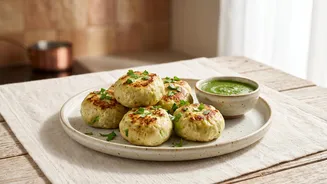
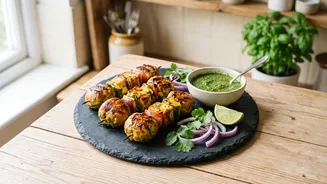
snacks can be adapted for these methods. Instead of deep-frying samosas, try baking them in the oven after a light brush of oil for a golden, crisp finish. Similarly, vegetable cutlets, mathri, and even pakoras can be made in an air fryer, which circulates hot air to achieve a crunch with up to 80% less oil. For main courses, consider grilling paneer and vegetable skewers or roasting a whole cauliflower (gobi) with spices. These dry heat methods concentrate flavours beautifully without the need for excess oil.
Sauté with Water or Broth
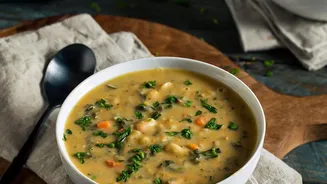
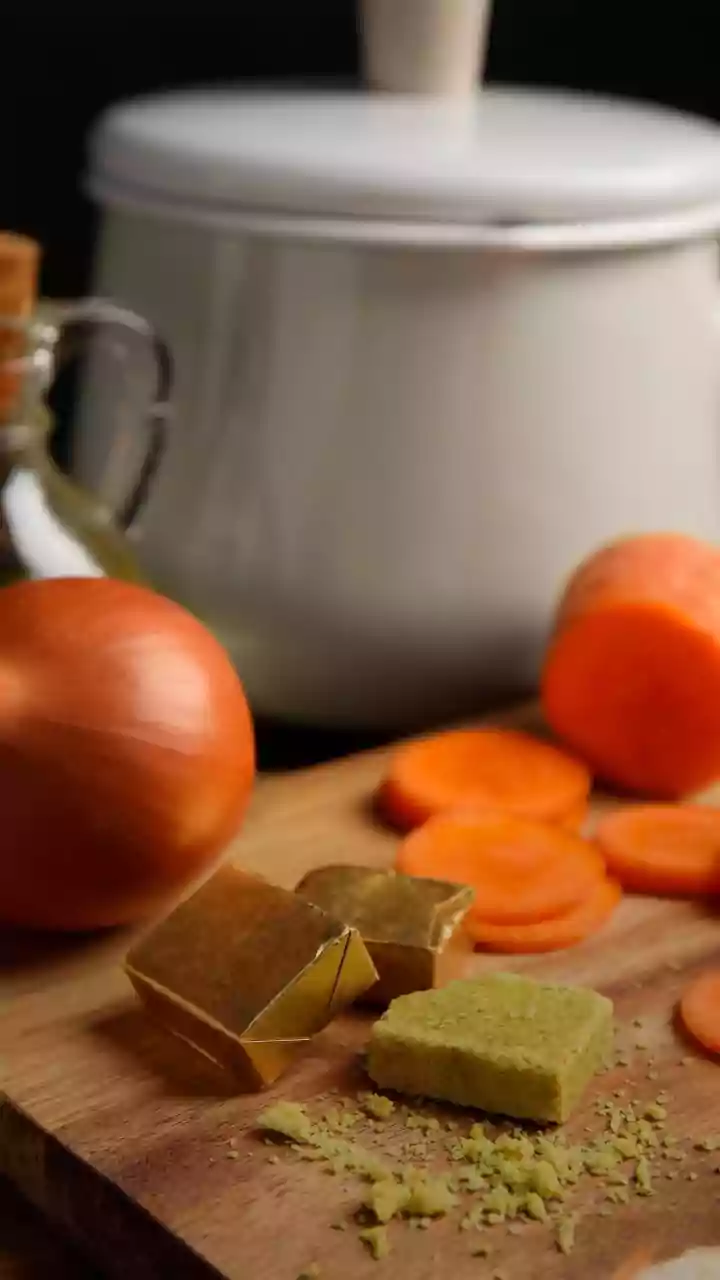
The foundation of many Indian dishes involves sautéing onions, ginger, garlic, and spices in oil. A smart alternative is to use water or vegetable broth. Start by heating your pan, then add your aromatics. As they begin to stick, add a tablespoon or two of water to deglaze the pan. This process lifts the flavourful browned bits from the bottom and allows the ingredients to soften and cook without added fat. You can repeat this as needed until your base is perfectly cooked. This technique works wonderfully for preparing the masala for dals and sabzis, ensuring you build that essential flavour foundation while keeping oil usage to a minimum. Investing in good non-stick or well-seasoned cast iron cookware also makes this method much easier, as it naturally requires less oil to prevent sticking.
Use Smart Substitutes for Richness
Oil adds moisture and a rich mouthfeel to gravies and baked goods, but other ingredients can perform a similar role. In curries, plain yogurt or curd can add a creamy, thick consistency with a pleasant tang, perfect for dishes like kadhi or certain chicken preparations. For a different kind of richness, especially in South Indian cuisine, a moderate amount of coconut milk provides creaminess without relying on oil. Vegetable purées are another fantastic option. Adding a spoonful of boiled and mashed pumpkin, bottle gourd (lauki), or even tomato puree can give body and a silky texture to your gravies. When baking, ingredients like applesauce, mashed bananas, or hung curd can replace a significant portion of the oil, keeping your cakes and muffins moist and tender.
Rethink Your Tadka
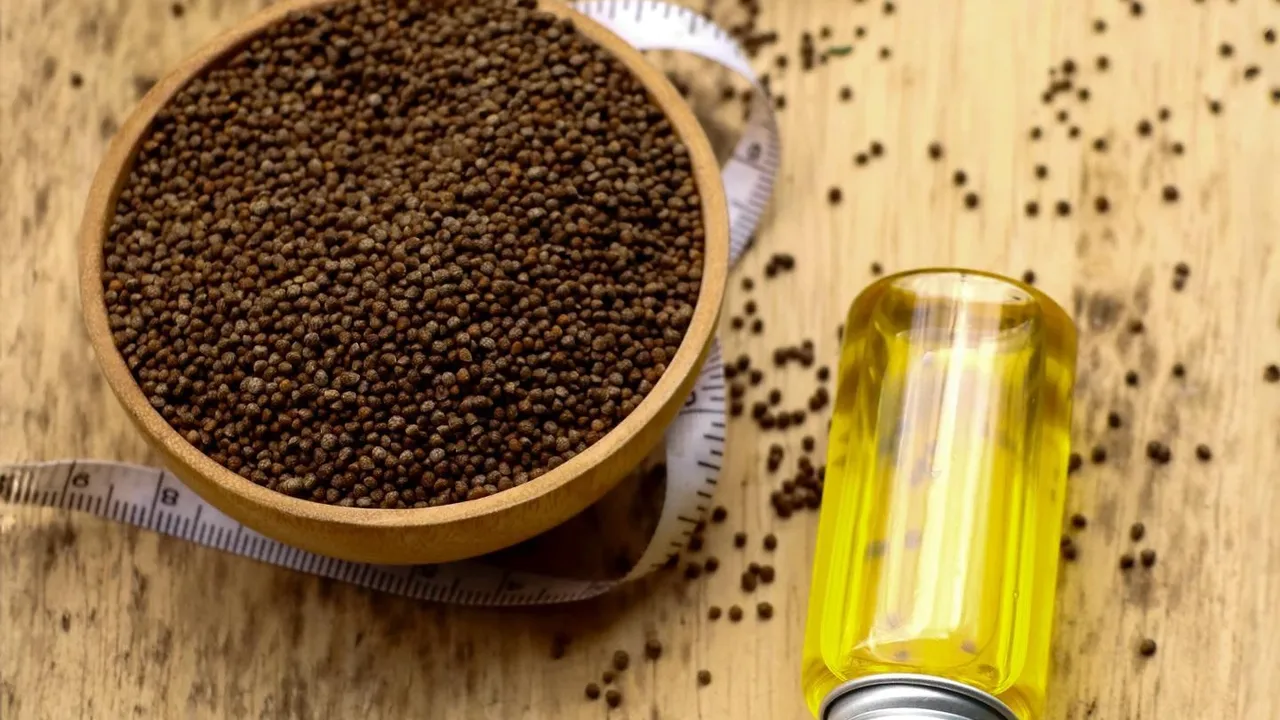
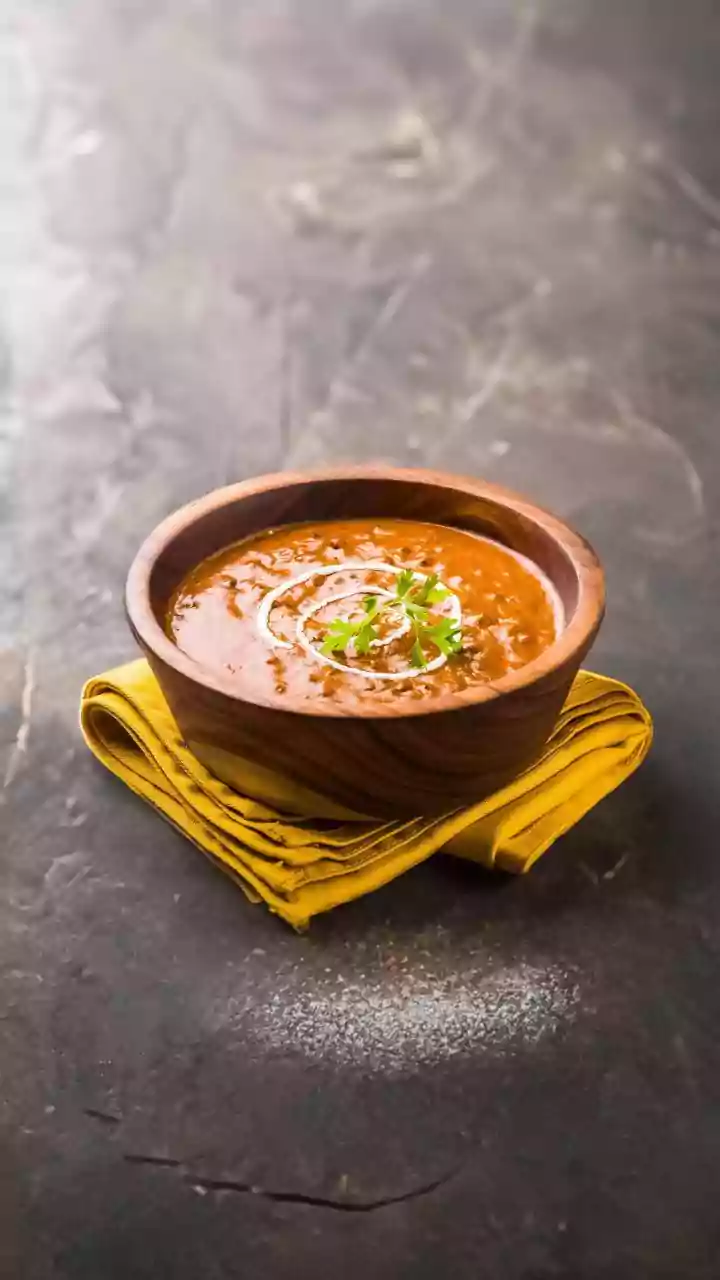
The final tempering, or tadka, is a signature of Indian cuisine, but it doesn't always require a ladle full of ghee or oil. One technique is to dry roast your whole spices first. Cumin, coriander seeds, and mustard seeds release their aromatic essential oils when heated in a dry pan for 30-40 seconds. Once they become fragrant, you can proceed with the rest of your tadka using a minimal amount of oil—or even none at all if you're adding it to a liquid like dal. Another approach is to simply use less but better-quality fat. A small amount of a flavourful, cold-pressed oil like mustard or groundnut oil, or a dollop of ghee, can provide more aromatic impact than a larger quantity of refined oil. Using an oil spray bottle or mister allows you to coat the pan evenly with a fraction of the oil you would use when pouring.
Create Oil-Free Dressings and Marinades
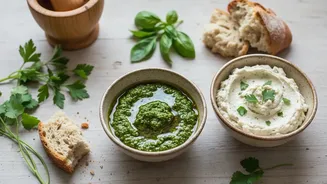
Salads and marinades can often be hidden sources of oil. For a refreshing and light salad dressing, whisk together lemon juice, hung curd (strained yogurt), and your favourite herbs and spices. A simple mix of lemon juice, Dijon mustard, and a touch of honey also creates a delicious vinaigrette without any oil. For marinades, especially for tandoori-style dishes, a thick mixture of yogurt, ginger-garlic paste, and spices is a classic and effective choice that tenderises meat and vegetables while packing them with flavour. This method not only cuts down on oil but also allows the pure taste of the spices and main ingredients to shine through.