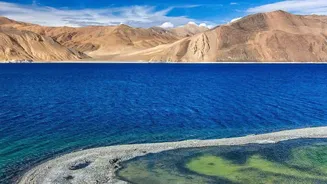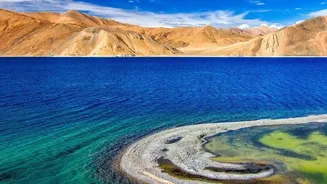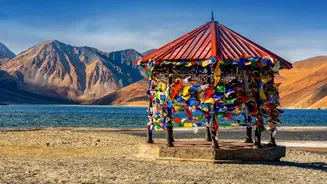


In a proud moment for Indian tourism, two of its Himalayan jewels, Pangong Tso in Ladakh and Tsomgo Lake in Sikkim, are being featured on international lists of the world's most beautiful frozen lakes. This recognition shines a global spotlight on their
unique winter allure.
A New Global Spotlight
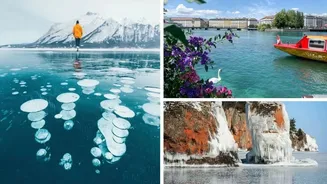
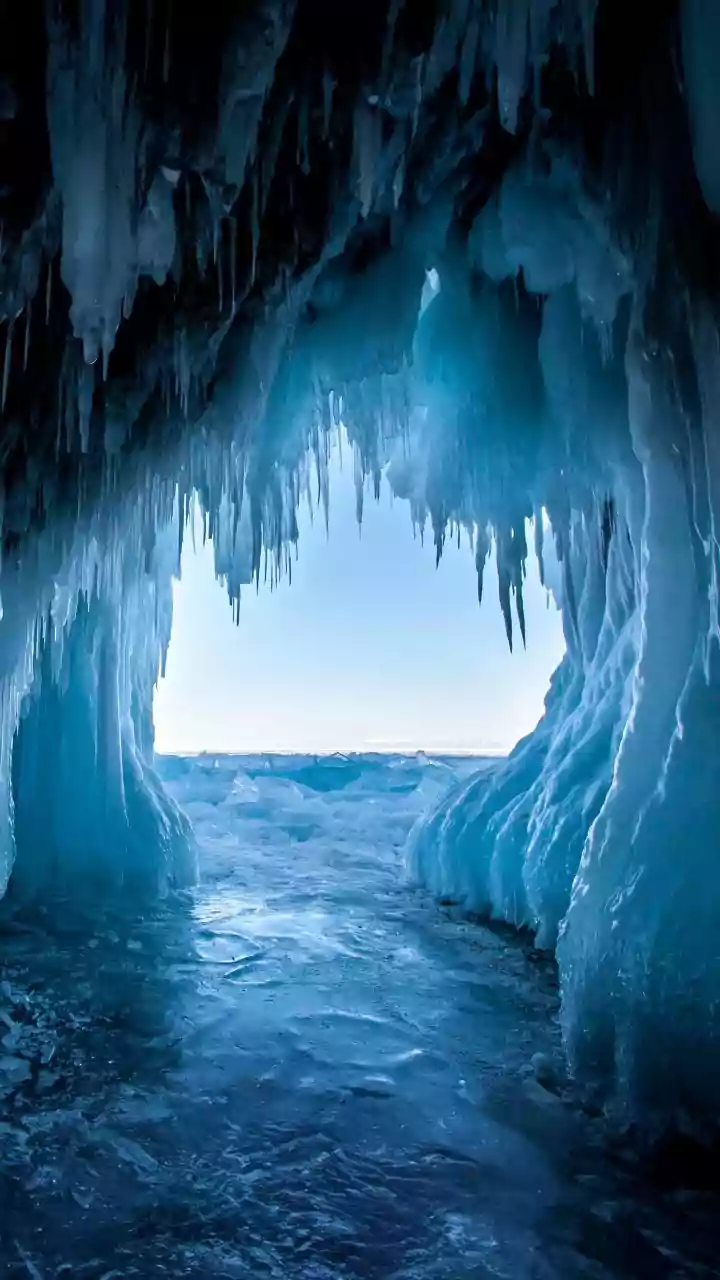
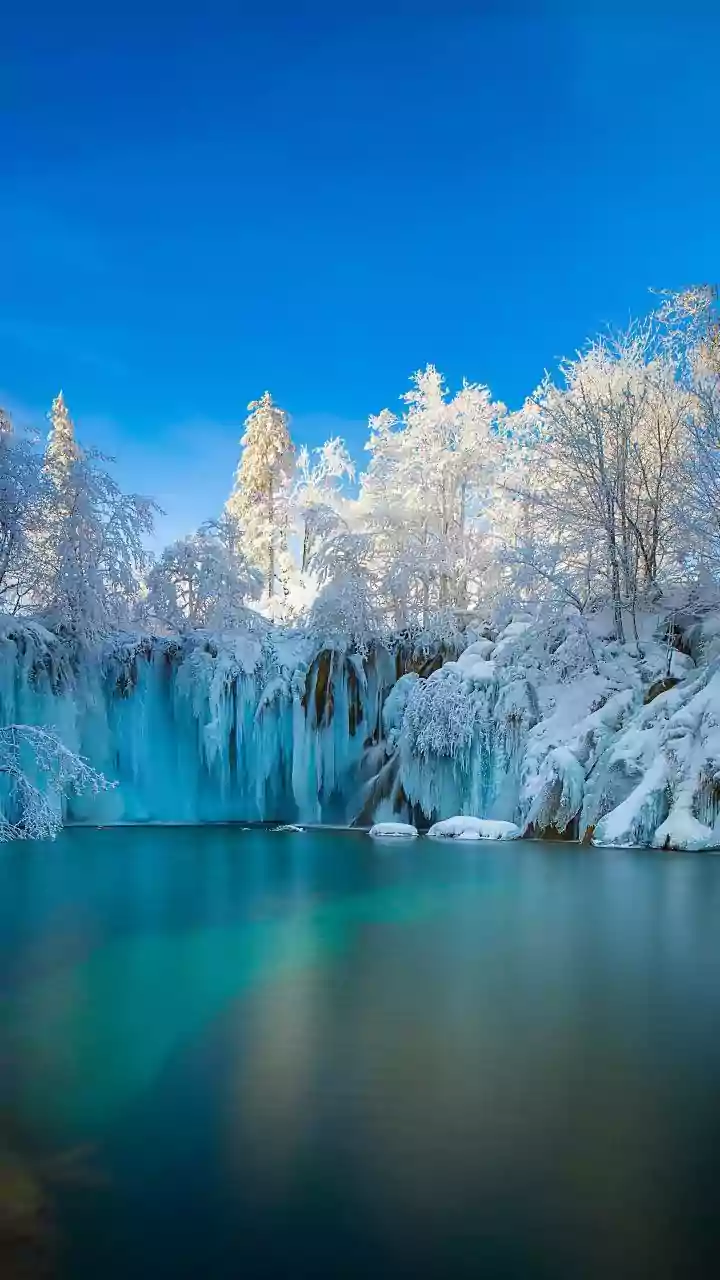
While seasoned travellers and locals have long cherished the winter transformations of Pangong and Tsomgo, their inclusion in various global travel publications and lists marks a new chapter. This growing international acclaim places them alongside other famous frozen wonders like Lake Baikal in Russia and Lake Louise in Canada, signalling a rising interest in India's capacity to offer breathtaking winter adventures. This recognition not only boosts the profiles of Ladakh and Sikkim but also highlights the incredible diversity of India's natural landscapes, which rival the best in the world. It’s a testament to the surreal beauty that unfolds when these high-altitude water bodies freeze over, creating landscapes of ice and snow.
Pangong Tso: The Frozen Expanse
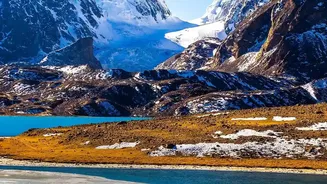
Pangong Tso, a name that translates to 'high grassland lake', sits at a staggering altitude of about 14,270 feet and stretches over 130 kilometres across the borders of India and Tibet. Famous for its chameleon-like ability to change colours in the summer, its winter avatar is arguably more dramatic. Despite being a saline lake, the extreme cold, with temperatures plummeting to -25°C, causes it to freeze solid. The result is a vast, spectacular sheet of ice set against a backdrop of stark, snow-dusted mountains. The journey to Pangong in winter, crossing the formidable Chang La pass, is an adventure in itself, rewarding the determined with scenes of profound silence and pristine beauty, a world away from the summer crowds.
Tsomgo Lake: The Sacred Freeze
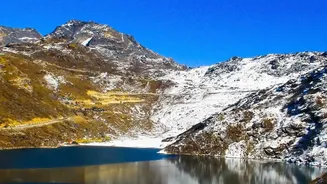
Nestled in the mountains of East Sikkim, about 38 kilometres from Gangtok, Tsomgo Lake is a glacial lake revered as sacred by the local Sikkimese people. At an elevation of 12,313 feet, it is more accessible than Pangong but no less magical. In winter, the lake, also known as Changu Lake, transforms into a frozen wonderland. The surrounding slopes are blanketed in thick snow, and colourfully decorated yaks stand ready to offer rides across the icy terrain, adding a touch of local culture to the natural spectacle. The lake's surface freezes completely, reflecting the crisp blue sky and the prayer flags that flutter in the cold mountain wind, creating a scene of serene, spiritual beauty. A small Shiva temple on its bank adds to the sanctity of the site.
Responsible Tourism in a Fragile Paradise
This newfound global fame brings with it a significant responsibility. Both Pangong and Tsomgo are located in ecologically sensitive high-altitude regions. The surge in tourism, while economically beneficial, puts pressure on these fragile ecosystems. Issues like waste management and water conservation are critical. Authorities and local communities in both Ladakh and Sikkim are increasingly focusing on sustainable practices to ensure that tourism does not harm the very beauty that attracts visitors. For travellers, this means being mindful of their impact, respecting local culture and regulations, and choosing operators who prioritise environmental protection. A permit is required to visit both lakes, a measure that helps regulate the flow of tourists into these protected areas.