

The End of 'Eat Now, Regret Later'
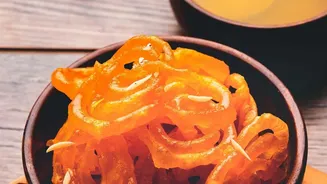
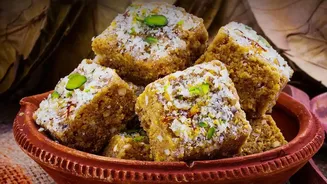
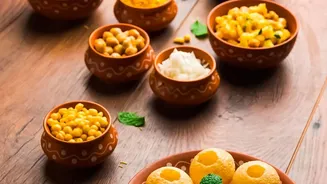
For generations, the festive season in India has been synonymous with unrestrained indulgence. The cycle is a familiar one: weeks of enjoying rich, fried, and sweet delicacies followed by days of dealing with bloating, acidity, and general discomfort.
However, this long-accepted trade-off is beginning to change. A growing number of Indians are rewriting the rules of festive eating, driven by a desire to enjoy the celebrations without the unpleasant after-effects. This isn't about restriction or missing out on family traditions; it's about mindful indulgence. The cultural conversation is shifting from a mindset of 'eat now, regret later' to one that integrates digestive wellness into the celebration itself, reflecting a broader, post-pandemic rise in health consciousness. Consumers are more aware that a healthy gut is foundational to overall wellbeing, affecting everything from immunity to mood, and they are unwilling to put their health on hold for a few weeks of festivities.
What's Driving the Focus on Gut Health?
Several factors are contributing to this renewed focus on our digestive systems. The wellness market in India is booming, with gut health supplements projected to become a more than one-billion-dollar industry. This commercial interest is matched by a surge in public awareness. People now understand that gut health is about more than just avoiding an upset stomach; it's linked to immunity, mental clarity, and even managing chronic conditions. This knowledge is spreading rapidly through social media, where health influencers and nutritionists share practical advice on mindful eating. Surveys show that a majority of Indian consumers now consider digestive health very important, with many actively choosing foods they believe will improve it. This has created a demand for products with clean labels and functional benefits, from probiotic drinks to fibre-enriched versions of traditional foods. People are no longer just looking for 'healthy' foods, but for foods with a specific purpose, and better digestion is a top priority.
Rediscovering Traditional Gut-Friendly Foods
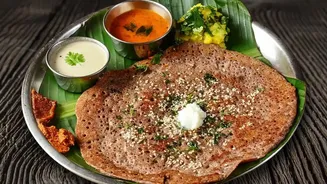
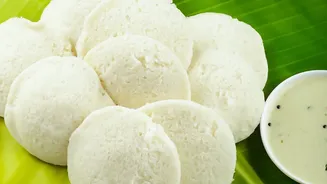
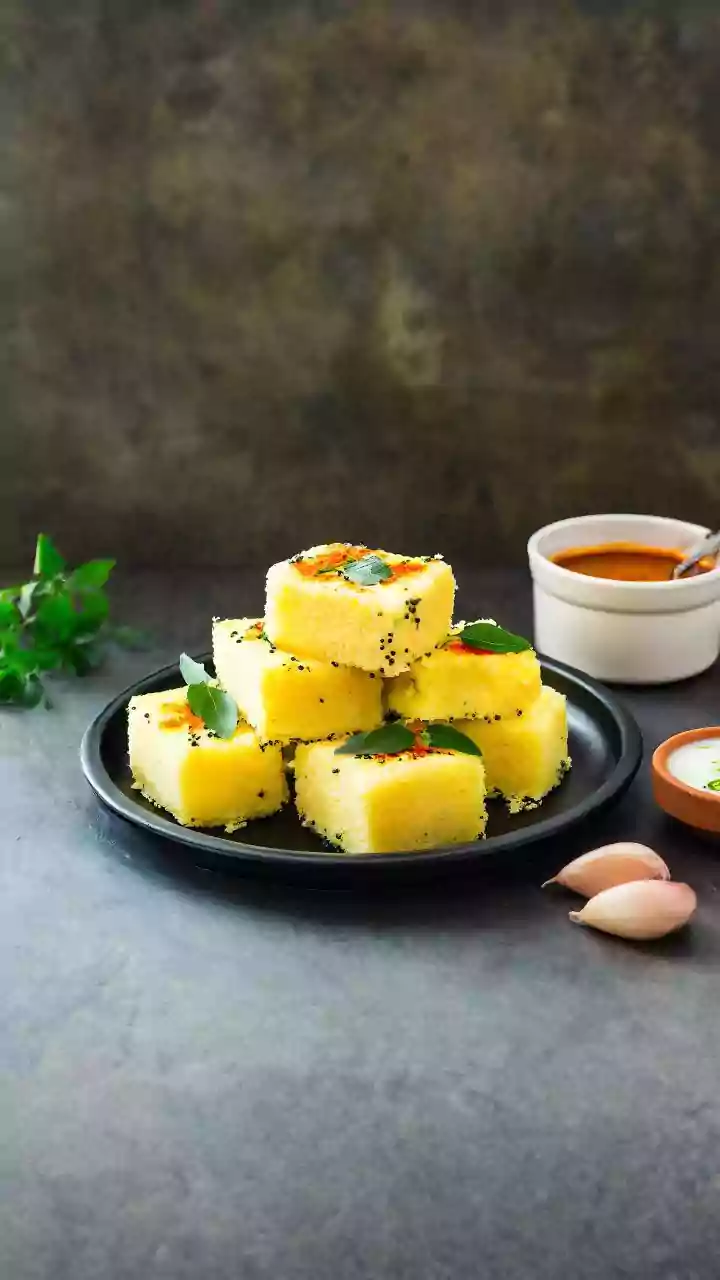
Interestingly, this modern wellness trend is leading many back to traditional Indian kitchens. For centuries, Indian diets have naturally included a wealth of probiotic and prebiotic foods. Probiotics are beneficial live bacteria, while prebiotics are fibres that feed these good bacteria. Staples like homemade dahi (curd), chaas (buttermilk), and fermented foods like idli, dosa, and dhokla are now being recognised not just as comfort foods, but as powerful probiotic sources. Similarly, prebiotic-rich ingredients like onions, garlic, bananas, and whole grains have always been part of Indian cooking. This 'fermented food revival' sees people intentionally incorporating these items into their diets, understanding their scientific benefits beyond habit or tradition. Brands are also tapping into this, launching products like kefir, kombucha, and millet-based foods that cater to this demand for gut-friendly options.
Smart Strategies for Mindful Indulgence
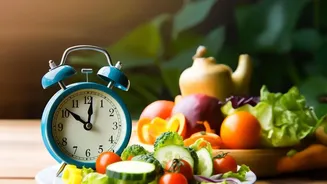
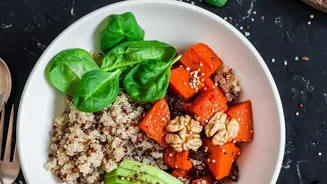
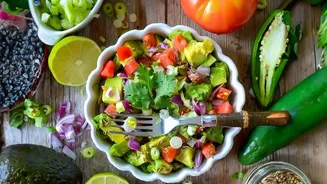
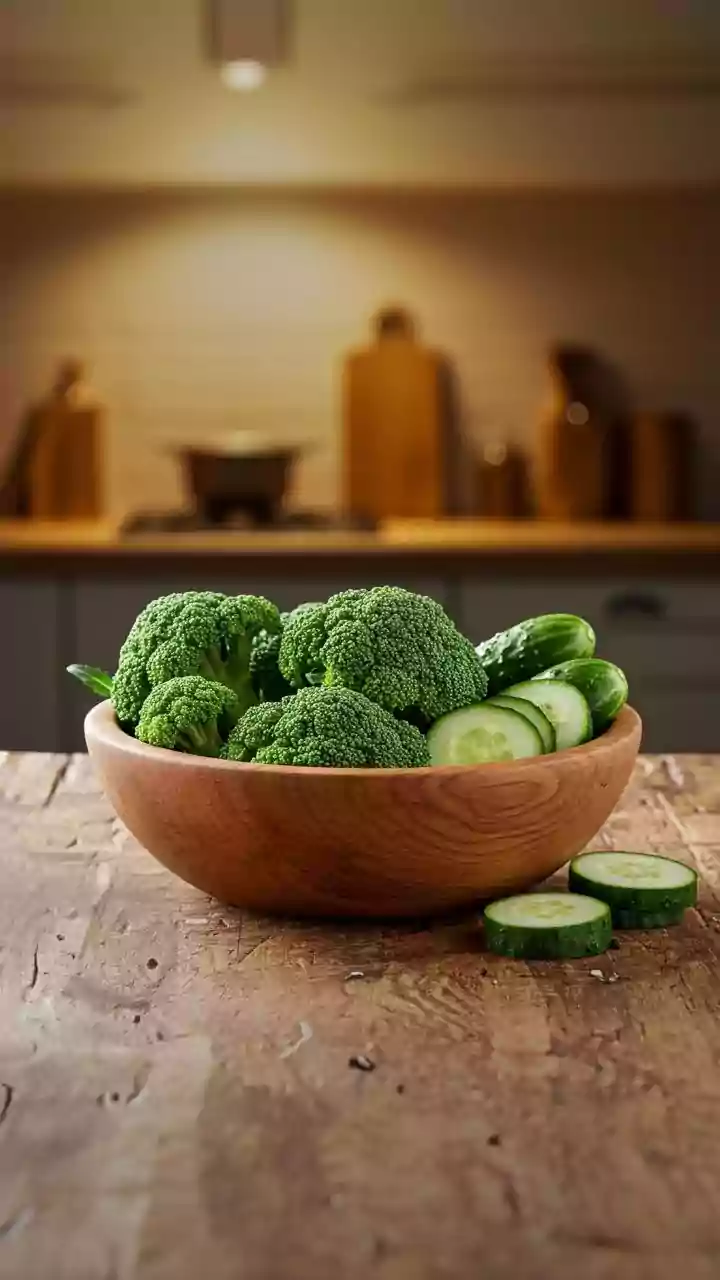
So, how can you enjoy the festive spread while keeping your gut happy? The key is mindful eating, not deprivation. Nutritionists advise against skipping meals to 'save' calories, as this often leads to overeating later. Instead, having a small, healthy snack before a party can curb hunger. When at a gathering, practice portion control by using smaller plates and filling half your plate with salads and vegetables first. This ensures you get fibre, which aids digestion, before moving to heavier dishes. Choose your favourite sweets or snacks and savour them slowly, rather than sampling everything. Staying well-hydrated is also crucial, as thirst can often be mistaken for hunger. Finally, try to eat heavy meals earlier in the evening to give your body ample time to digest before sleep.