






Why Perfect Form Beats More Reps
In the quest for stronger legs, it's easy to get caught up in how many reps you can do or how much weight you can lift. But the real key to progress lies in technique. Proper form ensures that you're actually targeting the right muscles—namely your quadriceps,
hamstrings, and glutes. When your form is off, other muscles compensate, which not only robs your thighs of a good workout but also puts unnecessary strain on your joints, especially your knees and lower back. Good technique activates a wider range of muscles, improves your balance and flexibility, and builds a solid foundation for long-term injury prevention. Mastering the basics means every single rep counts, leading to better, safer results.
Anatomy of the Perfect Squat
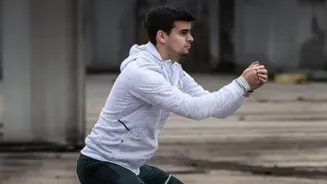
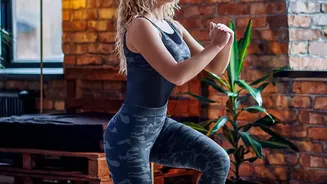
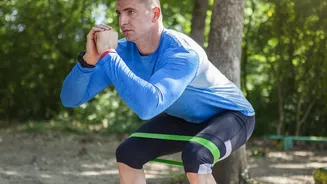
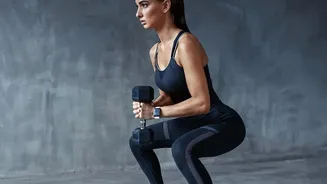
Think of a squat as sitting back into an invisible chair. Start with your feet slightly wider than shoulder-width apart, with your toes pointing slightly outwards. Keep your chest lifted and your back straight as you begin the movement by hinging at your hips and pushing them backward. Lower your body until your thighs are at least parallel to the floor, ensuring your weight stays in your heels. A crucial checkpoint is your knees; they should track in line with your feet, not cave inward or push far beyond your toes. Engage your core throughout the movement to keep your spine stable. To stand back up, drive powerfully through your heels, extending your hips and knees at the same time.
Common Squat Mistakes to Avoid
Many common mistakes can derail your squat progress. One of the biggest is letting your knees collapse inward, a sign of weak hip abductors that puts stress on the knee joint. Another frequent error is lifting your heels off the floor, which shifts your weight forward and destabilises the movement. Not squatting deep enough—stopping well before your thighs are parallel to the ground—limits the exercise's effectiveness and muscle engagement. Finally, rounding your lower back is a major red flag that can lead to serious strain or injury. Always prioritise a flat back and engaged core, even if it means reducing the weight or depth.
How to Execute a Flawless Lunge
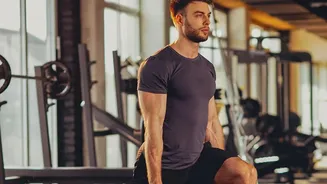
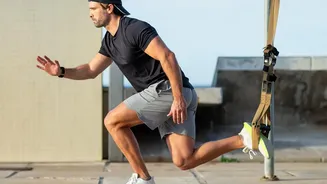
Lunges are a fantastic unilateral exercise, meaning they work one leg at a time, which helps correct muscle imbalances and improve stability. To start, stand tall and take a big step forward with one leg. Lower your hips until both knees are bent at approximately a 90-degree angle. Your front knee should be directly above your ankle, not drifting past your toes, and your back knee should hover just a few inches off the floor without touching it. Keep your torso upright and your core engaged to maintain balance. Push off firmly with your front heel to return to the starting position. For an easier variation, especially if you have knee issues, try a reverse lunge by stepping backward instead of forward.
Lunge Pitfalls and How to Fix Them
The most common lunge mistake is allowing the front knee to travel far past the toes, which places excessive pressure on the knee joint. To fix this, focus on dropping your hips straight down rather than moving them forward. Another issue is a wobbly or unstable stance. If you feel like you're on a tightrope, widen your stance slightly for a better base of support. Leaning your torso too far forward is also a common error; keeping your chest lifted and shoulders back will ensure the work stays in your legs and glutes. Because lunges challenge your balance, it’s best to master the form with just your bodyweight before adding dumbbells or other weights.