






The Problem with 'Eating Less'
For decades, the dominant message in dieting has been simple: eat less. This has led many to try crash diets, which involve drastic calorie reduction for quick results. However, this approach often backfires. Severe restriction can lead to intense hunger,
nutrient deficiencies, fatigue, and even hair loss. Psychologically, it fosters an unhealthy relationship with food, framing it as an enemy to be conquered. Research shows that severe dieting can increase stress hormones and make you preoccupied with food, which can lead to a cycle of yo-yo dieting where any weight lost is quickly regained. This happens because extreme restriction is not sustainable. The constant feeling of deprivation can trigger overeating and an unhealthy obsession with foods you've forbidden yourself from having.
The 'Fuller Plate' Philosophy
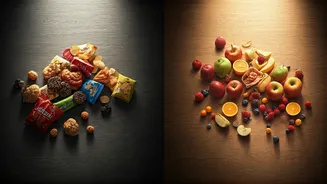
Instead of focusing on restriction, a healthier approach is to focus on abundance. This is the core of "volume eating," a strategy that prioritizes foods that are high in volume but low in calories. The idea is simple: you can fill your stomach and feel satisfied without consuming excess calories. These foods are typically rich in water and fiber, which add bulk and help you feel fuller for longer. By choosing nutrient-dense options, you give your body the vitamins and minerals it needs to function optimally while naturally managing your energy intake. This shift from counting every calorie to focusing on the quality of your food makes healthy eating more enjoyable and sustainable.
How to Build a Fuller, Smarter Plate
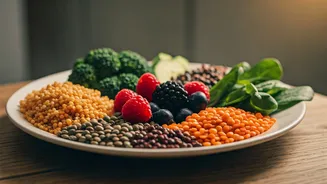
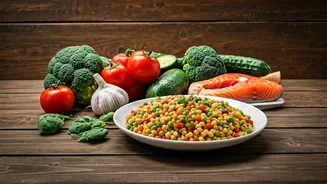
Visualizing your plate can make this new approach easy to follow. A widely recommended method is to divide your plate into sections. Start by filling half of your plate with non-starchy vegetables. These are the cornerstone of volume eating. Think leafy greens, broccoli, bell peppers, carrots, and zucchini. Dedicate one-quarter of your plate to lean protein. Protein is crucial for satiety, helping to regulate hunger hormones and keep you feeling full. Good sources include chicken breast, fish, eggs, tofu, beans, and lentils. The final quarter of your plate should be for whole grains or starchy carbohydrates, which provide sustained energy. Opt for brown rice, quinoa, whole-wheat pasta, or a baked potato.
Foods That Fill You Up
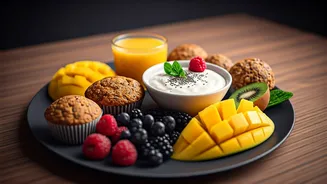
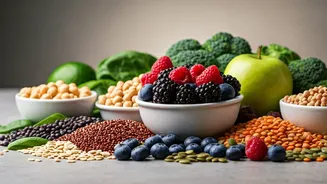
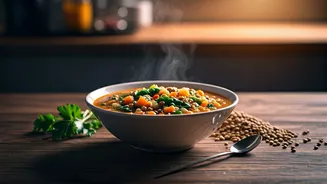
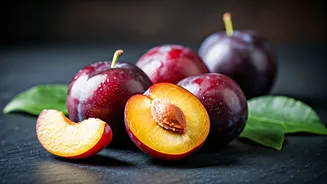
To successfully adopt a fuller-plate mentality, stock your kitchen with high-satiety foods. These are foods that provide a strong sense of fullness relative to their calorie count. Vegetables are your best friend here; options like cucumbers, celery, and leafy greens are high in water and volume. Fruits such as berries, apples, and watermelon also fit this profile. Broth-based soups can be incredibly filling due to their high water content. For protein, eggs and Greek yogurt are excellent choices that are proven to increase feelings of fullness. Legumes like chickpeas and lentils are packed with both protein and fiber, making them a powerful tool for satiety. And don't forget whole grains like oats, which expand in your stomach and slow down digestion.
Beyond the Plate: A Holistic Approach
While what you eat is central, other habits can support your journey away from crash-diet thinking. Staying hydrated is key, as water contributes to feelings of fullness. Eating slowly and mindfully gives your brain time to register that you are full, which can prevent overeating. Planning your meals in advance helps ensure you always have satisfying, nutrient-dense options on hand, reducing the temptation of less healthy convenience foods. Remember that this is not a restrictive diet but a style of eating. It’s about nourishing your body, managing cravings without excess calories, and improving your overall digestive health and well-being.