
From a flash of green as a parakeet settles on a wire to the familiar sight of monkeys patrolling rooftops, wildlife is an undeniable part of our urban landscape. But far from being lost in a concrete jungle, some species are thriving.
An All-You-Can-Eat Buffet
One of the biggest
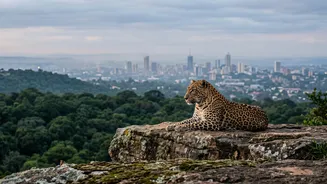
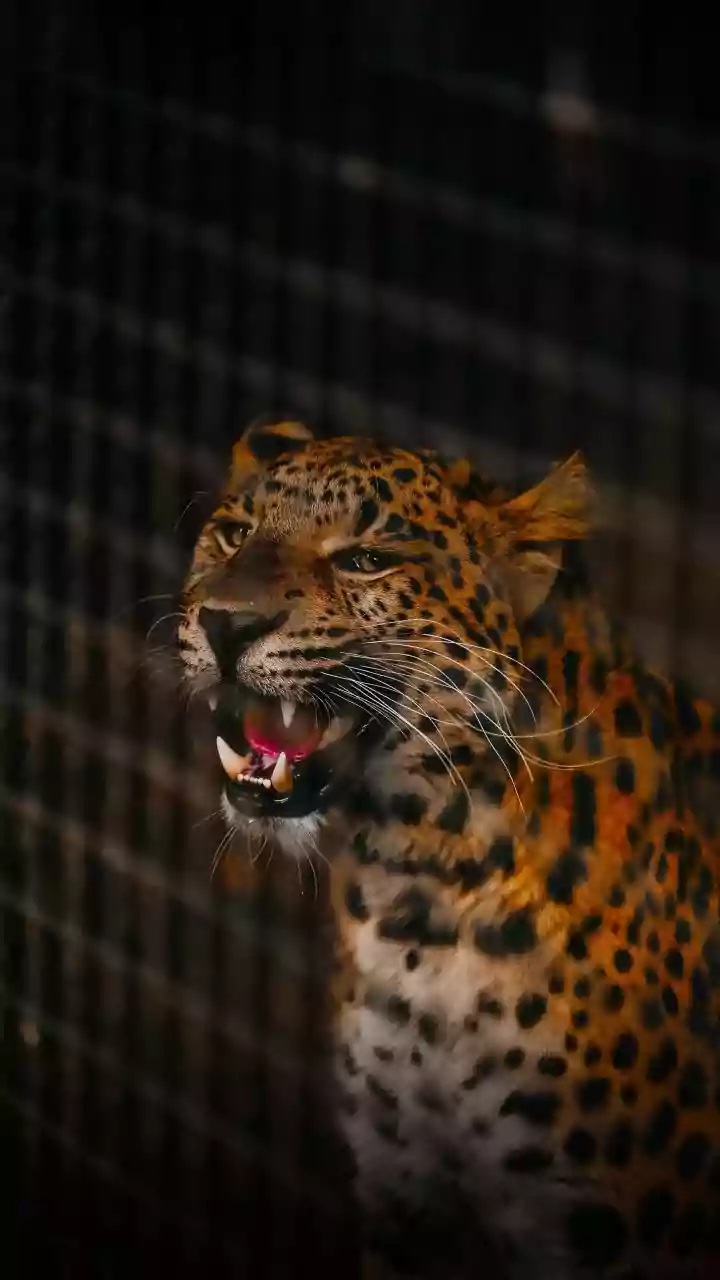
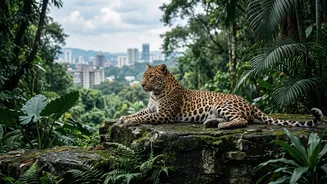
draws for wildlife is the sheer abundance of food. Cities offer a veritable feast for animals that are not picky eaters. Raccoons, for example, will eat everything from plants and seeds to human garbage. Coyotes in North American cities have expanded their diets to include not just rodents and rabbits, but also fruit. In India, the situation is similar. Monkeys in cities like Delhi and Jaipur have become adept at snatching food from markets and homes, while leopards on the fringes of Mumbai prey on the large populations of stray dogs and pigs. For these 'generalist' species, which can eat a wide variety of things, the city is a reliable and plentiful source of calories, far easier to exploit than a sparse forest.
A Haven from Natural Predators
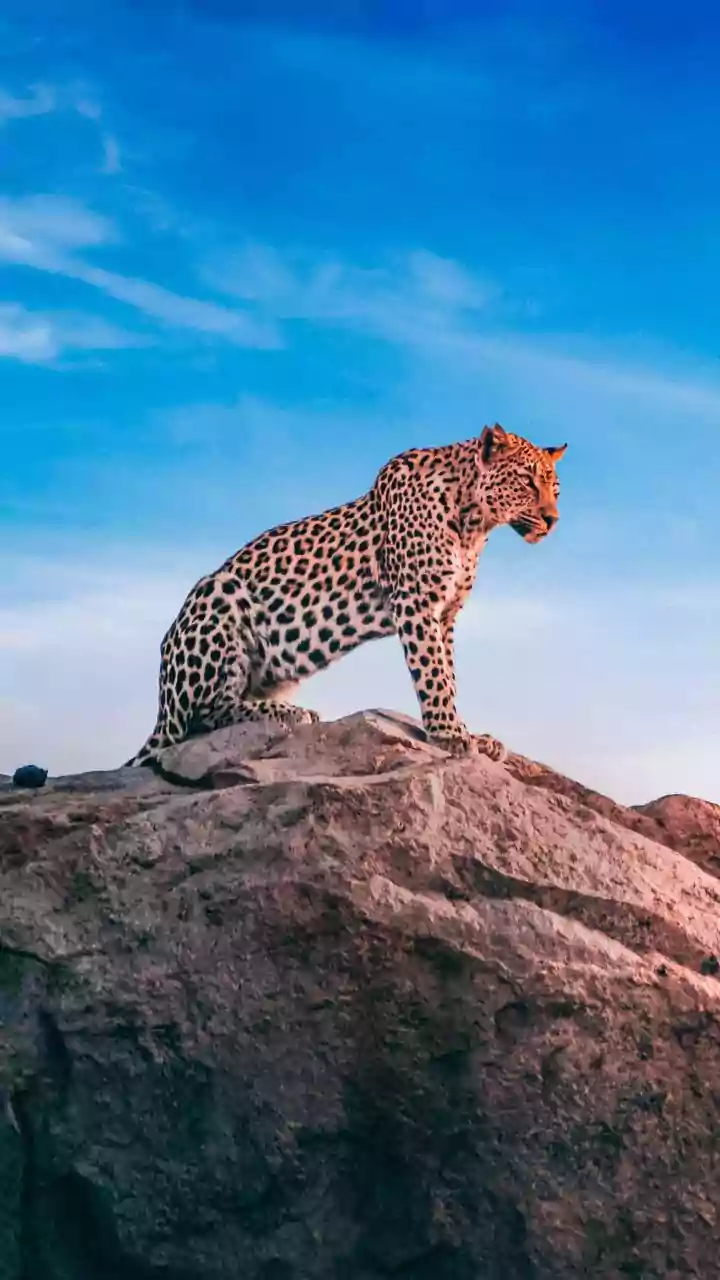
The wild is a dangerous place, filled with predators. Cities, by comparison, can be surprisingly safe. While a leopard may face competition from another leopard in a national park, its primary threats are greatly reduced on the edge of a city. For smaller animals like squirrels, pigeons, and monkeys, the near-total absence of large natural predators is a significant advantage. This allows their populations to grow with less pressure than they would face in their native habitats. Animals that are smaller and can hide easily find refuge in the nooks and crannies of urban infrastructure, from storm drains to building gutters, keeping them safe from the few predators that do exist, like domestic cats or birds of prey.
Creature Comforts and Clever Homes
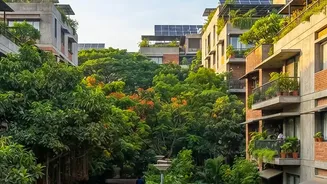
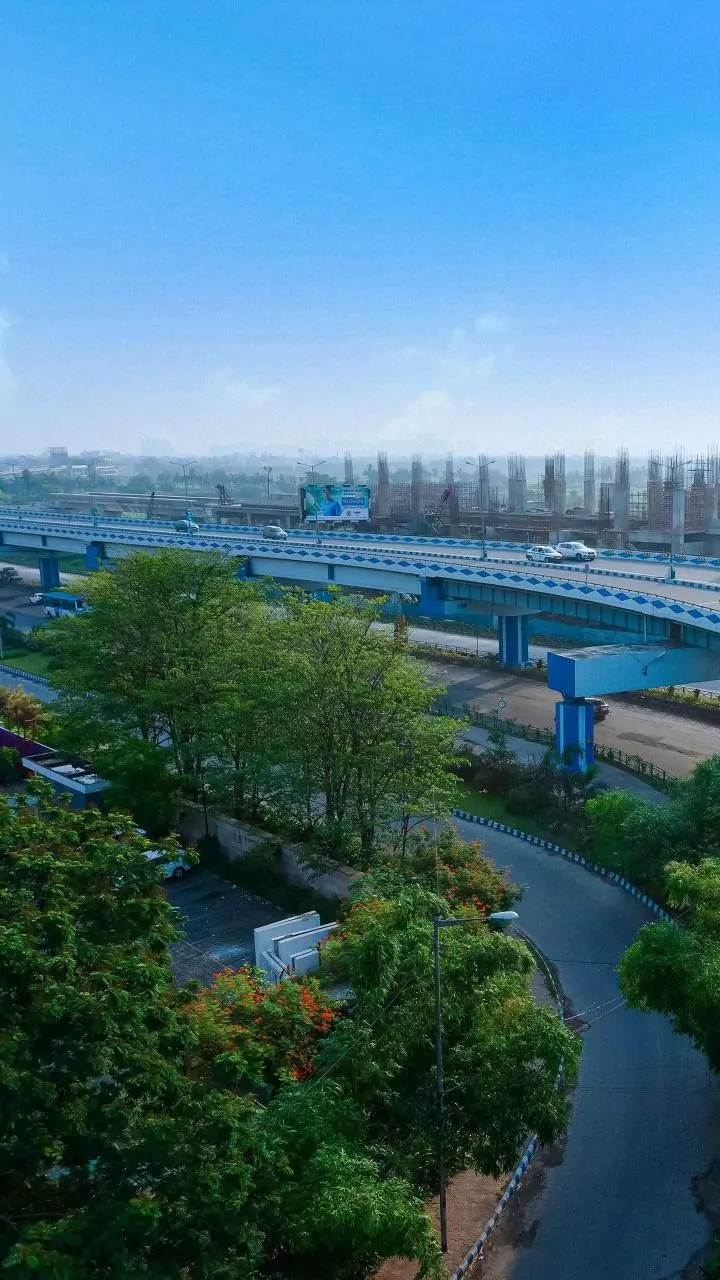
Urban infrastructure provides unexpected benefits. Buildings offer ledges and rooftops for nesting that mimic cliffs for birds like peregrine falcons. In cities across India, temples and old buildings become new 'forests' for monkeys, offering height and shelter. The city itself is often warmer than the surrounding countryside, a phenomenon known as the 'urban heat island' effect. While this can be a stressor for some species, for others it means milder winters and longer foraging seasons. Animals have also learned to use human structures in ingenious ways. Some species use storm drains and railway lines as secret highways to move around the city, avoiding dangerous traffic and human contact.
The Adaptable Personality
Not every animal can make it in the big city. The ones that succeed are often described as behaviorally flexible, intelligent, and bold. They are problem-solvers. Research suggests that bird species with larger brains tend to adapt better to the volatile urban environment. These successful urban dwellers learn to change their behaviour to fit their new world. Many become more active at night to avoid people and cars. Some birds have even learned to sing at a higher pitch to be heard over the din of city traffic. This process of adaptation to urban life is so distinct that it has a name: synurbization. These animals are not just surviving; they are actively changing their habits to master the urban landscape.
An Evolving Coexistence
The relationship between humans and urban wildlife is constantly evolving. While many species do not adapt well to city life, the ones that do are becoming a permanent feature of our environment. In some cases, this can lead to conflict, especially when animals become aggressive or are seen as pests. However, the presence of wildlife also offers city dwellers a vital connection to the natural world. Observing animals can foster a greater appreciation for nature and highlights the importance of green spaces like parks and gardens, which act as crucial habitats and corridors for wildlife. As our cities continue to grow, understanding the needs of our wild neighbours is becoming essential for creating balanced, sustainable urban ecosystems where both people and animals can coexist.