



Why Smog Irritates Your Throat
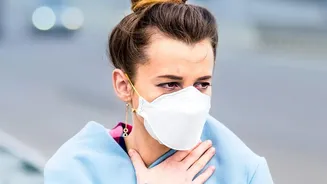
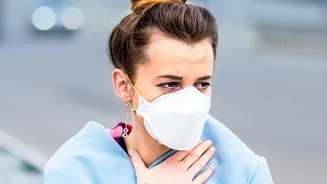
When you breathe in polluted air, you are inhaling a cocktail of harmful particles and gases. Tiny pollutants like PM2.5, nitrogen dioxide, and sulphur dioxide act as direct irritants to the sensitive lining of your throat. This causes inflammation, redness,
and dryness. Your body's immune system reacts to these particles as foreign invaders, leading to swelling and soreness. Unlike a typical cold, a smog-induced sore throat is often a persistent, scratchy feeling that may feel worse after spending time outdoors and might not be accompanied by other classic cold symptoms like a runny nose.
First-Line Home Remedies for Relief
For the general irritation caused by pollution, several simple home remedies can provide significant comfort. A time-tested solution is gargling with warm salt water several times a day to reduce swelling and clear irritants. Staying hydrated with warm fluids like herbal teas and broths helps keep your throat moist. Many find relief with honey, which has natural antibacterial properties and can coat and soothe the throat; try a spoonful directly or mixed into warm water or tea. Traditional remedies like ginger tea and turmeric milk are also excellent choices, as both ingredients are known for their anti-inflammatory effects. Finally, using a humidifier indoors can add moisture to the air, preventing the throat from drying out, especially overnight.
Irritation vs. Infection: Knowing the Difference
This is the most critical distinction to make. A sore throat from smog is primarily an irritation. It feels scratchy, dry, and may be accompanied by a dry cough. An infection, however, presents with more severe and distinct symptoms. A bacterial infection like strep throat often comes on suddenly with intense pain, a high fever (above 101°F or 38.3°C), and swollen lymph nodes in the neck. You might also see white spots or pus on your tonsils and experience headaches or nausea, but typically without a cough or runny nose. Viral infections like the flu can cause a sore throat along with body aches, chills, and significant fatigue. If your symptoms feel more severe than just a scratchy throat, it's important to consider that it might be more than just the smog.
Red Flags: When You Must See a Doctor
While home care is effective for irritation, you should seek medical attention if your sore throat is severe or persistent. Book a consultation if your sore throat lasts for more than a week without improvement. Other key signs include a high fever, severe difficulty swallowing or breathing, drooling, a muffled voice, a rash, or visible white patches in your throat. If you have a weakened immune system or other chronic health conditions, it's always best to consult a doctor sooner rather than later. Most sore throats are viral, but some, like strep throat, require antibiotics to prevent serious complications. A doctor can perform a quick test to provide an accurate diagnosis.
Proactive Steps to Protect Yourself
Prevention is always better than cure. During smog season, monitor the daily Air Quality Index (AQI) and try to limit strenuous outdoor activity on days with high pollution. When you do go outside, wearing a well-fitting N95 or KN95 mask can significantly reduce your exposure to harmful fine particles. At home, keep windows and doors closed during peak pollution hours and consider using an air purifier with a HEPA filter to keep indoor air clean. Staying well-hydrated throughout the day helps keep your airways moist and more resilient to irritants.