






Understanding the Source of the Problem
Condensation occurs when warm, moist air comes into contact with a cold surface, like a windowpane or an outer wall. The air cools rapidly, and it can no longer hold the moisture, which turns into water droplets. Everyday activities are the primary source
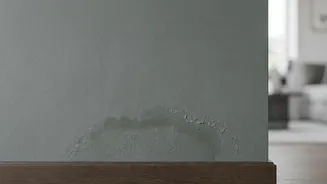
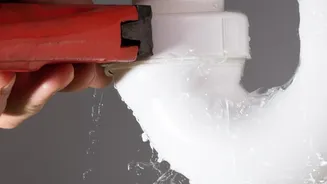
of this moisture. A surprising amount of water vapour is released into the air from cooking, showering, boiling a kettle, and even breathing. If this moisture isn't able to escape, it builds up inside the home. While some condensation is normal in cold weather, excessive amounts can signal a problem and create the perfect environment for mould to grow. This differs from other issues like rising damp, which is groundwater moving up through walls, or penetrating damp caused by leaks.
Ventilation Is Your First Line of Defence
The single most effective way to combat condensation is to improve ventilation. Trapped moist air is the enemy, so you need to give it an escape route. Make it a habit to open windows and doors for short periods each day, even for just 10-15 minutes, to allow a complete exchange of air. Pay special attention to kitchens and bathrooms, which are major moisture-producing zones. Always use an extractor fan when cooking or showering, and let it run for a while afterwards to clear the steam. If you don't have fans, opening a window is essential. For modern windows, check if they have trickle vents—small, slidable vents at the top of the frame designed to provide constant, minimal background ventilation.
Manage Moisture from Daily Activities
Beyond general ventilation, you can make small adjustments to your daily routine to cut down on the amount of moisture released into the air. When cooking, always use lids on your pots and pans to keep steam contained. After a bath or shower, keep the bathroom door closed to prevent the steam from spreading throughout the house. One of the biggest culprits for indoor humidity is drying clothes inside. If possible, dry laundry outdoors. If you must dry clothes indoors, do so in a single room with a window open or a dehumidifier running to capture the excess moisture. Avoid drying clothes on radiators, as this releases large amounts of moisture into the air very quickly.
Create a Consistently Warm Environment
Homes with fluctuating temperatures are more prone to condensation. Cold surfaces are a key part of the condensation equation, so keeping your home at a low, consistent temperature is often more effective than short blasts of high heat. This prevents walls and windows from becoming intensely cold, giving moist air fewer places to condense. Ensure furniture, like sofas and wardrobes, is not pushed right up against external walls. Leaving a small gap allows air to circulate, warming the wall surface and preventing damp, mouldy patches from forming in these unseen areas.
When to Use Tools and Professional Help
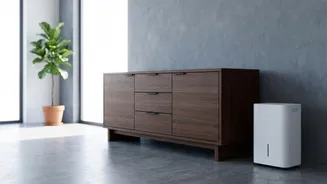
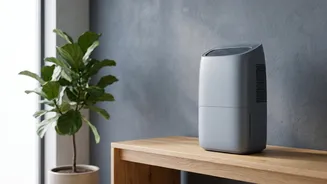
If simple lifestyle changes aren't enough, it might be time for some reinforcements. A dehumidifier is an excellent tool for actively removing moisture from the air, especially in rooms that are chronically damp or where you dry laundry. The U.S. Environmental Protection Agency suggests keeping indoor humidity levels between 30% and 50% to prevent mould growth. You can monitor this with a cheap and simple device called a hygrometer. If you have persistent dampness that doesn't resolve with these steps, you could be facing a more serious structural issue like a leak, poor insulation, or rising damp, and it may be time to consult a professional for an expert opinion.