




As seasons shift, our wardrobes and routines adapt. But one skincare hero deserves a permanent spot on your shelf: Vitamin C serum. It's the key to navigating the skin stress that comes with weather changes, from summer's end to winter's chill.
Your Skin's Best Defense Against The Elements
Think of
Vitamin C as your skin's personal bodyguard. It is a powerful antioxidant, which means its main job is to neutralize unstable molecules called free radicals. These troublemakers are generated by everyday environmental stressors like UV radiation, pollution, and even blue light from our screens. Over time, this damage breaks down collagen, leading to fine lines, dullness, and uneven skin tone. Weather transitions often mean a change in these environmental exposures. The shift from summer to autumn might bring less intense sun but more wind and fluctuating humidity, while the move into spring means stronger UV rays on skin that's been covered all winter. A daily dose of Vitamin C provides a consistent shield, helping your skin adapt without showing signs of stress.
Fading Summer Sun Damage
As we leave the sun-drenched days of summer behind, our skin often carries souvenirs in the form of dark spots and hyperpigmentation. This is where Vitamin C truly shines. It works by inhibiting the enzyme responsible for melanin production, which is the pigment that causes those unwanted dark spots. Consistent use helps to gradually fade existing hyperpigmentation, revealing a brighter and more even complexion. While sunscreen is your first line of defense against creating new sun damage, a Vitamin C serum works on a cellular level to help correct the visible reminders of summers past. Think of it as the clean-up crew that works diligently to restore your skin's clarity and radiance.
Beating Winter Dullness and Dryness
When temperatures drop, so does humidity. Cold winds and dry indoor heating strip moisture from the skin, leaving it feeling tight, flaky, and looking dull. This is because the skin's protective barrier becomes compromised, making it harder to retain essential hydration. Vitamin C helps combat this in two ways. First, its brightening properties work to revive a lackluster complexion, restoring a healthy glow even in the darkest months. Second, by fighting off environmental free radicals, it helps fortify the skin barrier, making it more resilient against harsh winter conditions and better able to hold onto moisture.
The Ultimate Partner for Your Sunscreen
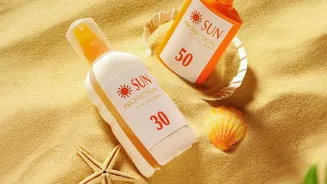
If sunscreen is the lock on your door, Vitamin C is the alarm system—together, they offer superior protection. Sunscreen works by blocking or absorbing UV rays before they can cause harm, but no sunscreen can block 100% of them. The UV radiation that gets through generates free radicals. A Vitamin C serum, applied before your SPF, works to neutralize this free radical damage. This synergistic relationship has been shown to significantly boost your skin's defense against sun damage, reducing redness and long-term harm. Applying it in the morning is key to creating this protective shield that lasts all day, making your daily sun protection efforts even more effective.
How to Make Vitamin C Work for You
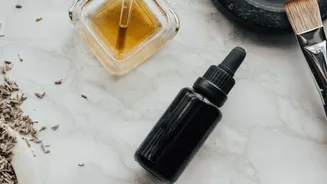
To get the most out of your serum, a few simple rules apply. First, apply it in the morning to clean, dry skin to take advantage of its antioxidant partnership with sunscreen. Follow it with your moisturizer and a broad-spectrum SPF of at least 30. Look for serums with L-ascorbic acid, the most potent form of Vitamin C, often in concentrations between 10–20%. Formulations that also include Vitamin E and ferulic acid are even better, as these ingredients help stabilize the Vitamin C and enhance its antioxidant power. Lastly, storage is crucial. Vitamin C is notoriously unstable and can be broken down by light and air. Keep your bottle in a cool, dark place to maintain its potency. If the serum turns dark orange or brown, it has oxidized and it's time for a new one.