







The Direct Hit: At the Petrol Station
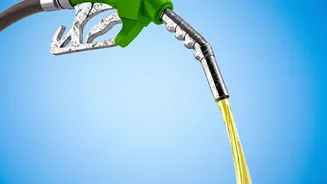
The most immediate and obvious impact of rising crude oil prices is felt when you refuel your car or bike. India imports over 80% of its crude oil, making its domestic fuel prices highly sensitive to global fluctuations. When the price of crude oil goes
up, the cost for oil marketing companies to procure and refine it also increases. This cost is passed on to you through a daily pricing mechanism. However, the crude price is only part of the story. Central and state taxes, including excise duty and VAT, make up a significant portion of the final retail price, often accounting for well over half of what you pay per litre. This is why even when global oil prices fall, taxes can be adjusted to keep pump prices high.
The Ripple Effect on Your Groceries
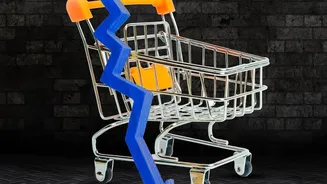
The journey your food takes from the farm to your plate is powered by diesel. When diesel prices rise, so do the transportation costs for farmers, distributors, and wholesalers. This 'freight cost' gets added to the price of everything, from fresh vegetables and fruits to milk and packaged goods. Transporters often have no choice but to pass on the increased operational expenses, which can lead to a noticeable jump in the prices at your local market and grocery store. This indirect cost is one of the most significant ways rising fuel prices inflate your household budget, turning a routine grocery run into a more expensive affair.
Beyond the Kitchen: Everyday Goods and Services
The impact doesn't stop at food. Think about the products you use daily—soaps, shampoos, cleaners, and even the packaging they come in. Many fast-moving consumer goods (FMCG) companies use crude oil derivatives in their products and plastic for packaging. Higher oil prices increase these raw material costs. Compounded by higher logistics expenses for distributing these goods across the country, companies may raise the maximum retail price (MRP) of their products to protect their profit margins. Similarly, services that rely on transport, like e-commerce deliveries and courier services, may introduce or increase surcharges to cover their higher fuel expenditure, a cost that ultimately gets passed to the consumer.
The Rising Cost of Getting Around
If you rely on public transportation or ride-hailing services, you are not immune to the effects of a fuel price hike. For auto-rickshaws, taxis, and private cab aggregators, fuel is a primary operational cost. As their expenses rise, fare revisions often follow. You might notice higher per-kilometre charges or increased base fares. Even public bus services may be forced to increase ticket prices to manage their escalating operational budgets, which are heavily influenced by diesel costs. This means the daily commute to work or college can start eating a bigger chunk out of your monthly budget.
A Knock on Your Travel Plans
Planning a holiday? Higher oil prices could make it more expensive. Aviation Turbine Fuel (ATF), or jet fuel, is derived from crude oil and constitutes up to 40% of an airline's operating costs in India. When crude prices surge, ATF prices follow suit, putting immense pressure on airlines. To offset these costs, airlines often raise ticket prices or add a fuel surcharge, especially on international routes which are more exposed to global price volatility. While the impact on domestic fares can sometimes be staggered, sustained high oil prices inevitably lead to costlier air travel for everyone.
The Bigger Picture: Overall Inflation
When the cost of transportation, manufacturing, and raw materials goes up across so many sectors simultaneously, it fuels economy-wide inflation. Economists warn that a sustained period of high oil prices can add significant pressure to India's headline inflation rate. This means your money buys less than it used to. The price of a wide array of goods and services increases, eroding your purchasing power and making it harder to manage your budget. A $10 increase in the price of a barrel of oil can lead to a notable rise in retail inflation, affecting the nation's overall economic health and your financial well-being.